
Aaruhi Institute - LMS
web2net business solutions inc
50+
downloads
Free
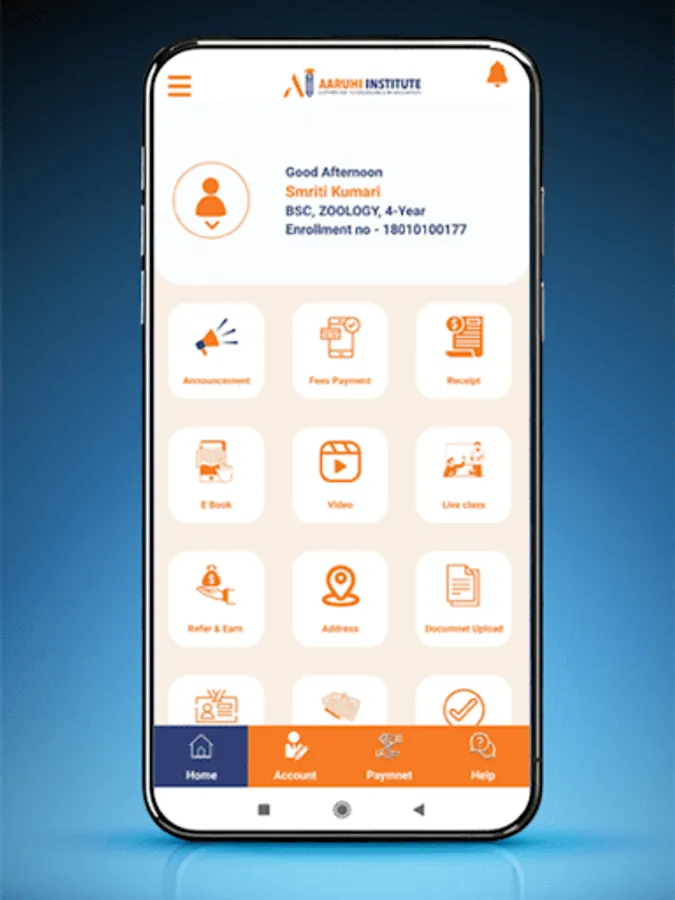
About Aaruhi Institute - LMS
In the rapidly evolving landscape of education, institutions are increasingly turning to technology to streamline administrative processes and enhance overall efficiency. One of the most pivotal tools in this digital transformation is the ERP (Enterprise Resource Planning) Student Management System. This comprehensive software solution integrates various functions across an educational institution, from admissions and academics to finance and human resources. In this article, we delve into the intricacies of ERP Student Management Systems, exploring their benefits, implementation challenges, and future trends.
Evolution and Functionality of ERP Systems
ERP systems have their roots in manufacturing resource planning, where they were initially developed to manage complex production processes. Over time, their scope expanded to encompass other sectors, including education. In the realm of educational institutions, ERP systems have been tailored to meet the unique needs and challenges faced by schools, colleges, and universities.
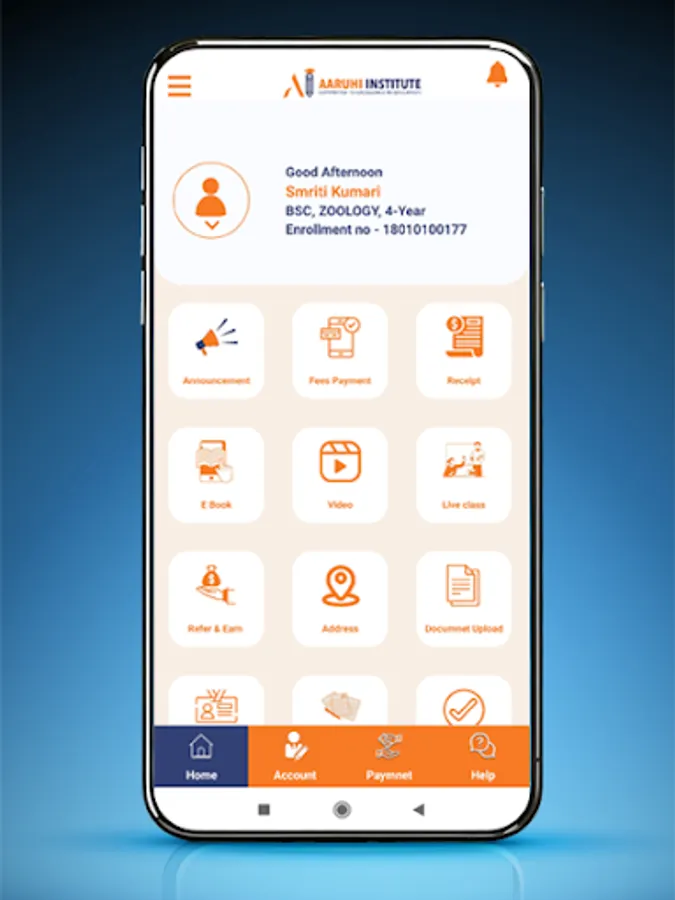
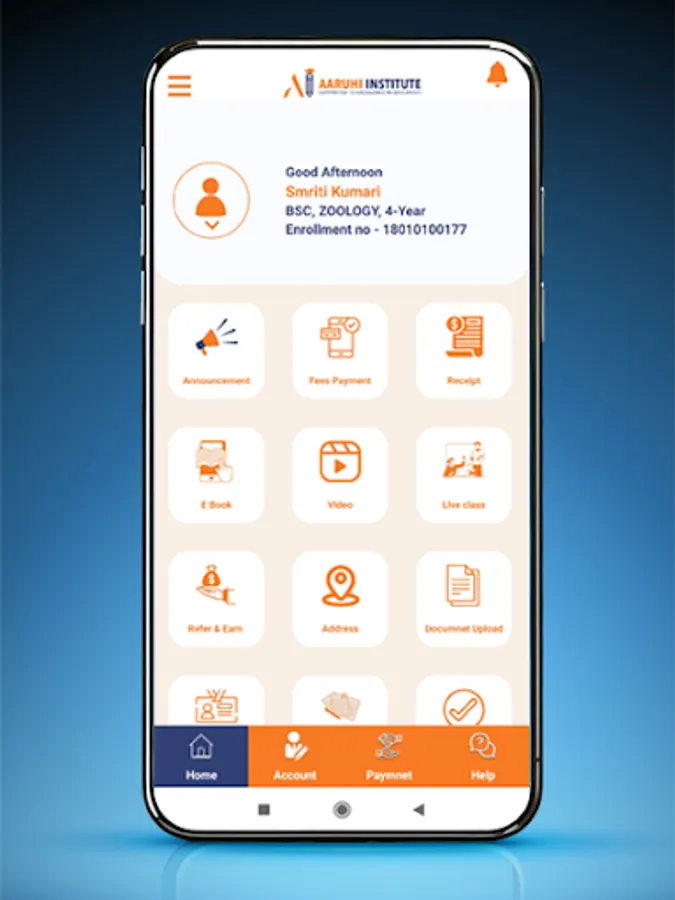
A typical ERP Student Management System integrates several key functionalities:
Admissions and Enrollment: Streamlining the application process, managing student admissions, and maintaining enrollment records.
Academic Management: Facilitating course management, scheduling classes, managing grades and transcripts, and providing academic support services.
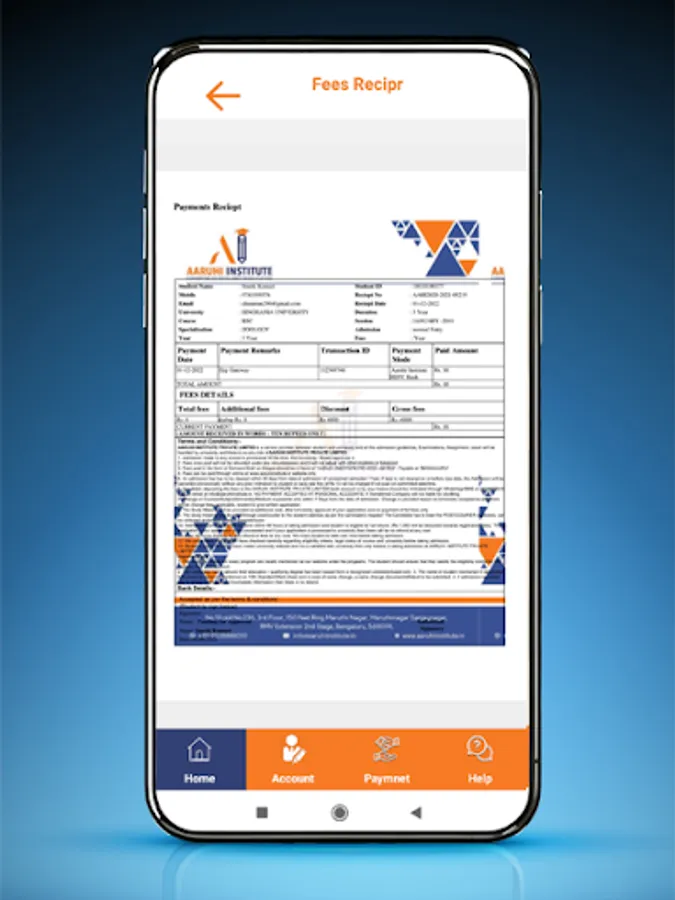
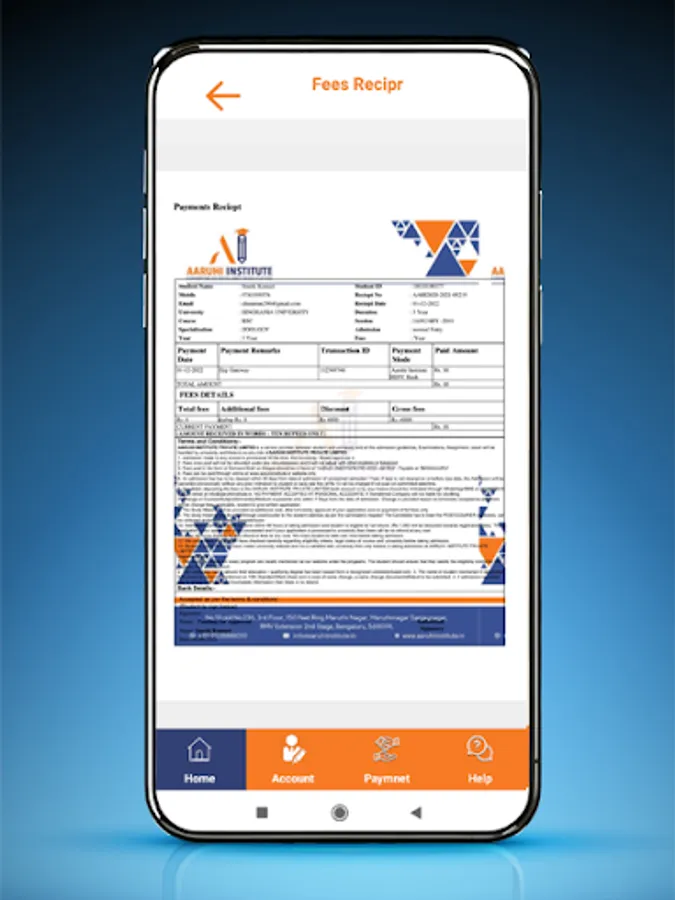
Financial Management: Handling student fees, financial aid, budgeting, and overall financial reporting.
Human Resource Management: Managing faculty and staff information, payroll processing, and performance evaluation.
Communications and Collaboration: Enhancing communication between students, faculty, and administrators through integrated communication channels.
Analytics and Reporting: Providing insights through data analytics for informed decision-making and strategic planning.
Benefits of ERP Student Management Systems
Implementing an ERP Student Management System offers numerous advantages to educational institutions:
Efficiency and Automation: By automating routine administrative tasks such as admissions, registration, and grading, ERP systems free up staff to focus on more strategic initiatives.
Data Centralization: Centralizing data into a single platform reduces redundancy and improves data accuracy.
Improved Communication: Enhancing communication channels between stakeholders fosters collaboration and transparency.
Enhanced Student Experience: From online registration to access to academic information, ERP systems contribute to a smoother student experience.
Data-Driven Decision Making: Analytics capabilities enable institutions to derive insights from data, leading to better-informed decisions.
Implementation Challenges
Despite their benefits, implementing an ERP Student Management System can present challenges:
Cost: Initial setup costs and ongoing maintenance can be substantial, particularly for smaller institutions.
Complexity: ERP systems are inherently complex, requiring significant customization and training to align with institutional workflows.
Resistance to Change: Staff and faculty may resist adopting new technologies, leading to slower adoption rates.
Integration Issues: Ensuring compatibility with existing systems and data migration can be technically challenging.
Data Security: Safeguarding sensitive student and institutional data against cyber threats is paramount but requires robust security measures.
Case Studies and Success Stories
Several educational institutions have successfully implemented ERP systems, showcasing their transformative impact:
Harvard University: Implemented an ERP system to streamline financial management and improve reporting capabilities across its various schools and departments.
University of Queensland: Enhanced student experience through a comprehensive ERP system that integrates academic and administrative functions seamlessly.
Evolution and Functionality of ERP Systems
ERP systems have their roots in manufacturing resource planning, where they were initially developed to manage complex production processes. Over time, their scope expanded to encompass other sectors, including education. In the realm of educational institutions, ERP systems have been tailored to meet the unique needs and challenges faced by schools, colleges, and universities.
A typical ERP Student Management System integrates several key functionalities:
Admissions and Enrollment: Streamlining the application process, managing student admissions, and maintaining enrollment records.
Academic Management: Facilitating course management, scheduling classes, managing grades and transcripts, and providing academic support services.
Financial Management: Handling student fees, financial aid, budgeting, and overall financial reporting.
Human Resource Management: Managing faculty and staff information, payroll processing, and performance evaluation.
Communications and Collaboration: Enhancing communication between students, faculty, and administrators through integrated communication channels.
Analytics and Reporting: Providing insights through data analytics for informed decision-making and strategic planning.
Benefits of ERP Student Management Systems
Implementing an ERP Student Management System offers numerous advantages to educational institutions:
Efficiency and Automation: By automating routine administrative tasks such as admissions, registration, and grading, ERP systems free up staff to focus on more strategic initiatives.
Data Centralization: Centralizing data into a single platform reduces redundancy and improves data accuracy.
Improved Communication: Enhancing communication channels between stakeholders fosters collaboration and transparency.
Enhanced Student Experience: From online registration to access to academic information, ERP systems contribute to a smoother student experience.
Data-Driven Decision Making: Analytics capabilities enable institutions to derive insights from data, leading to better-informed decisions.
Implementation Challenges
Despite their benefits, implementing an ERP Student Management System can present challenges:
Cost: Initial setup costs and ongoing maintenance can be substantial, particularly for smaller institutions.
Complexity: ERP systems are inherently complex, requiring significant customization and training to align with institutional workflows.
Resistance to Change: Staff and faculty may resist adopting new technologies, leading to slower adoption rates.
Integration Issues: Ensuring compatibility with existing systems and data migration can be technically challenging.
Data Security: Safeguarding sensitive student and institutional data against cyber threats is paramount but requires robust security measures.
Case Studies and Success Stories
Several educational institutions have successfully implemented ERP systems, showcasing their transformative impact:
Harvard University: Implemented an ERP system to streamline financial management and improve reporting capabilities across its various schools and departments.
University of Queensland: Enhanced student experience through a comprehensive ERP system that integrates academic and administrative functions seamlessly.
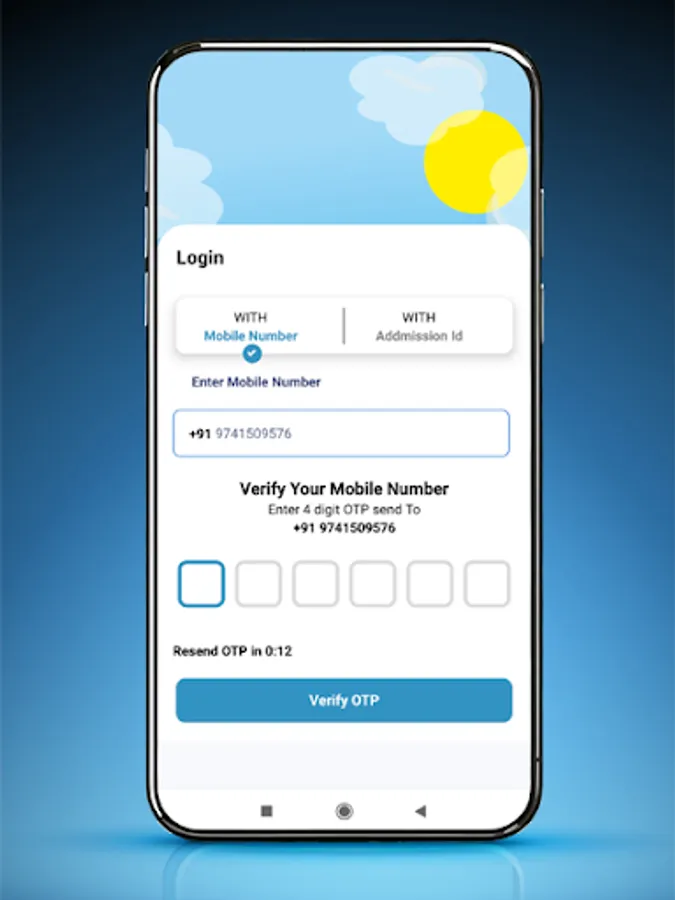
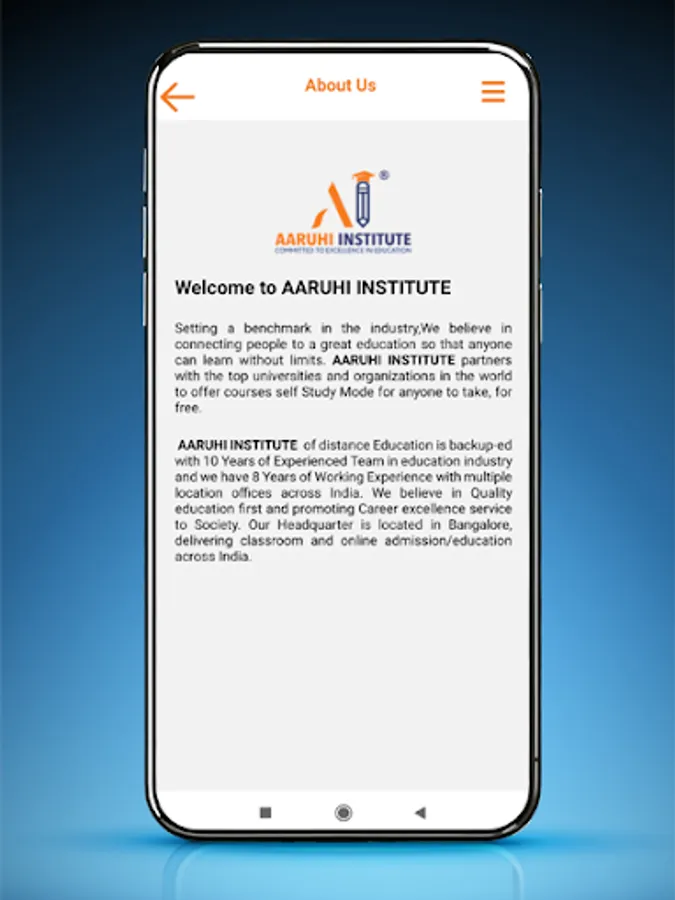
Aaruhi Institute - LMS Screenshots



Tap to Rate: