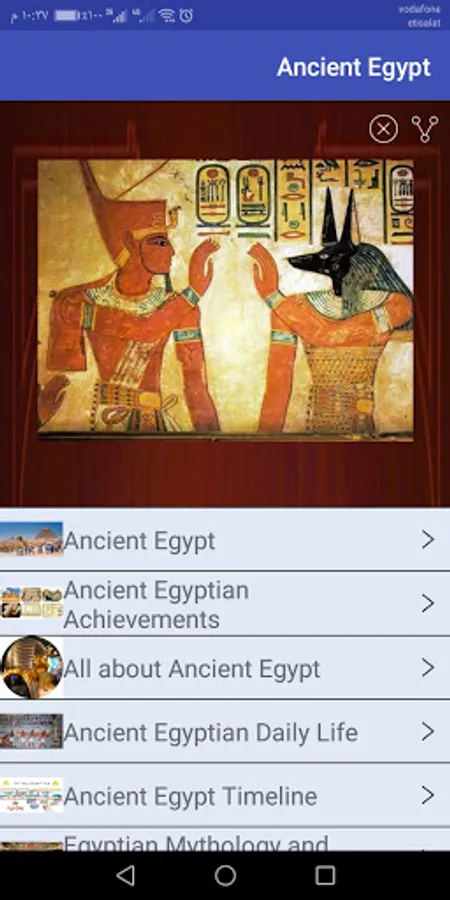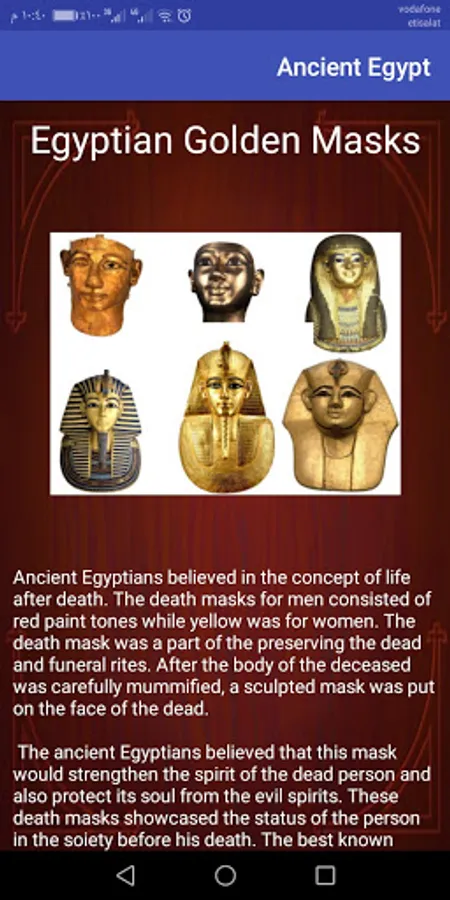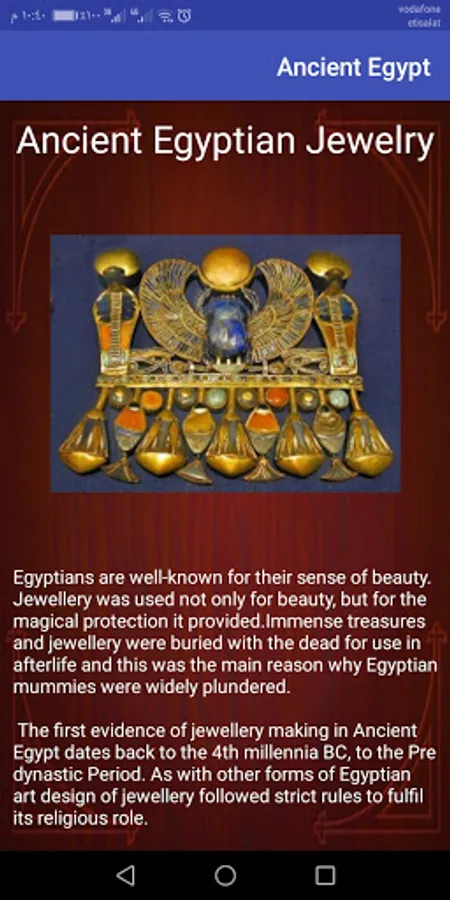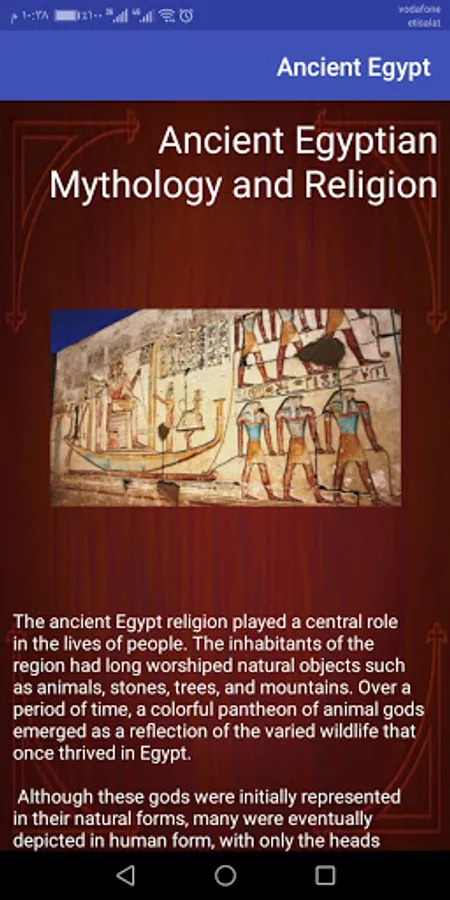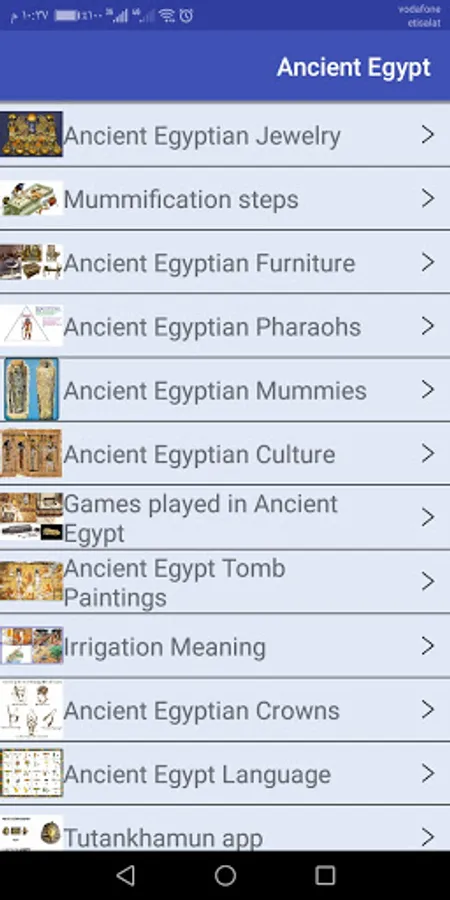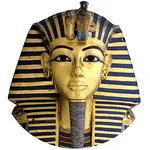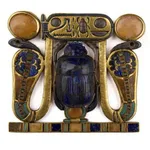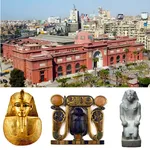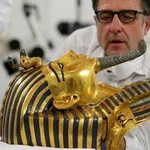
In this historical app, explore the civilization of ancient Egypt by viewing images, reading descriptions, and learning about social structures. Includes artwork collections, historical timelines, and educational resources.
AppRecs review analysis
AppRecs rating 4.3. Trustworthiness 0 out of 100. Review manipulation risk 0 out of 100. Based on a review sample analyzed.
★★★★☆
4.3
AppRecs Rating
Ratings breakdown
5 star
83%
4 star
0%
3 star
0%
2 star
0%
1 star
17%
What to know
✓
High user satisfaction
83% of sampled ratings are 4+ stars (4.3★ average)
About Ancient Egypt
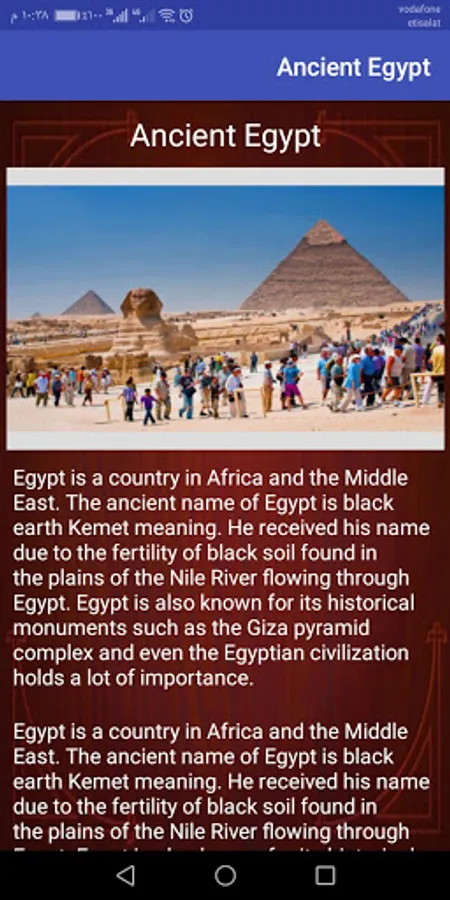
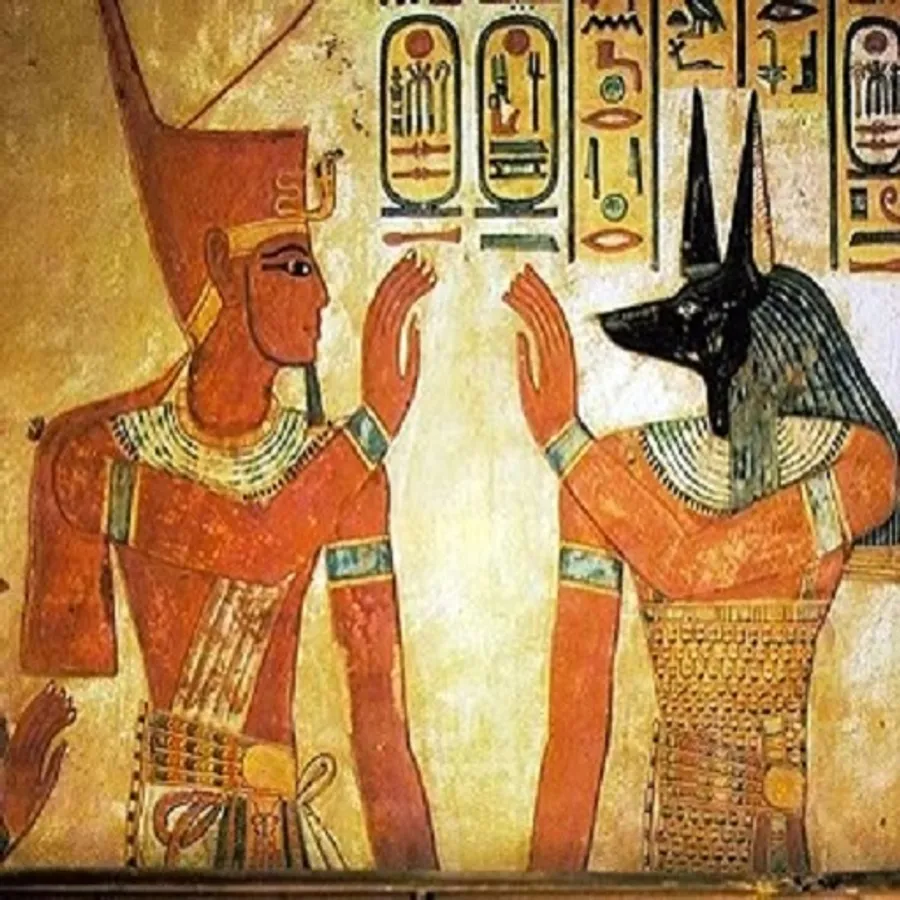
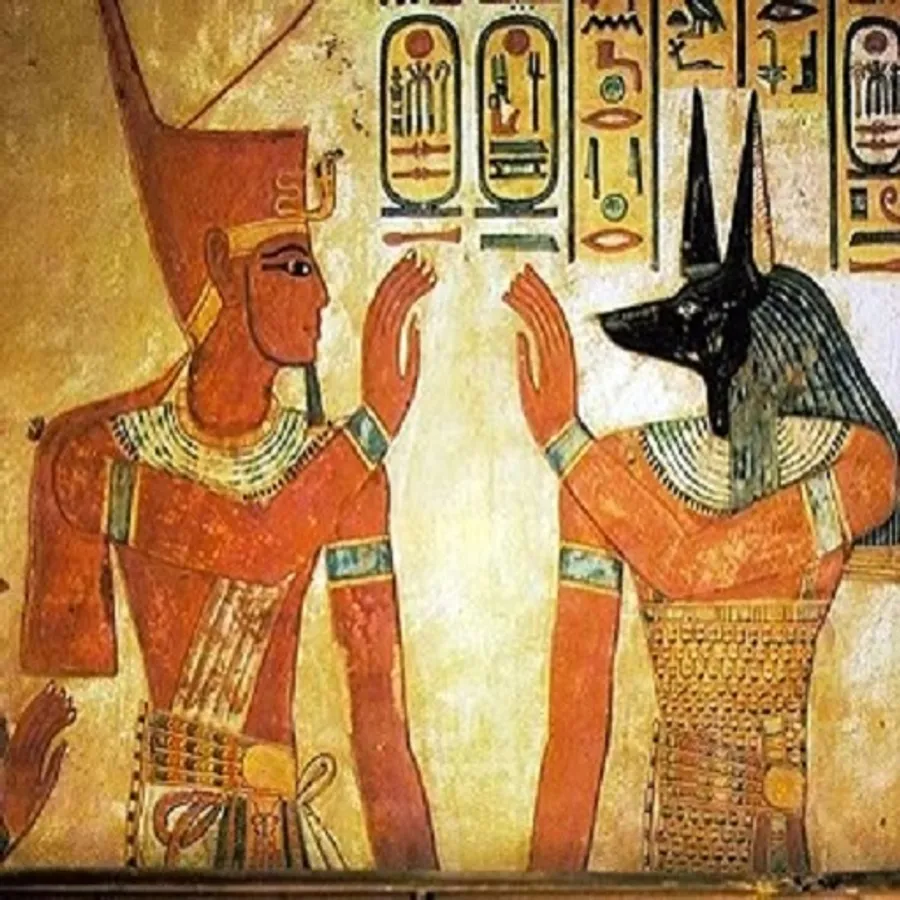
Egyptian civilization was one of the longest in the west, from about 3000 BC and lasting until about 300 BC. The ancient Greeks considered him too young and inexperienced society compared to the Egyptians.
But at the same time the amazing thing about the culture of Egypt is that, despite their rapid growth and development, the Egyptians were able to preserve the past and subject to change relatively little over the centuries.
Ancient Egypt is the point where the history of Western art begins. For example, the pyramids and the sphinx are not only symbols of Egypt more, but also the expression of artistic genius as a whole.
The profession in ancient Egypt was an important factor in defining social class and social stratification manufacturers could be presented as a pyramid. This "social pyramid" consisted of different lines - the bottom were soldiers, farmers, and builders of the tombs, which were in fact the largest percent of the Egyptian population. Then followed by skilled craftsmen, who did everything from coffins carts using very primitive tools.
Above were the scribes - the Egyptians only one who could read and write, and so had many types of employment opportunities with their duties ranging from writing letters for townspeople, crop recording, keep accounts for the Egyptian army. The following line included more scholarly scribes on higher positions such as priests, doctors, and engineers.
But at the same time the amazing thing about the culture of Egypt is that, despite their rapid growth and development, the Egyptians were able to preserve the past and subject to change relatively little over the centuries.
Ancient Egypt is the point where the history of Western art begins. For example, the pyramids and the sphinx are not only symbols of Egypt more, but also the expression of artistic genius as a whole.
The profession in ancient Egypt was an important factor in defining social class and social stratification manufacturers could be presented as a pyramid. This "social pyramid" consisted of different lines - the bottom were soldiers, farmers, and builders of the tombs, which were in fact the largest percent of the Egyptian population. Then followed by skilled craftsmen, who did everything from coffins carts using very primitive tools.
Above were the scribes - the Egyptians only one who could read and write, and so had many types of employment opportunities with their duties ranging from writing letters for townspeople, crop recording, keep accounts for the Egyptian army. The following line included more scholarly scribes on higher positions such as priests, doctors, and engineers.