
About Theoretical Physics
Theoretical physics is a branch of physics that employs mathematical models and abstractions of physical objects and systems to rationalize, explain and predict natural phenomena. This is in contrast to experimental physics, which uses experimental tools to probe these phenomena.
The advancement of science generally depends on the interplay between experimental studies and theory. In some cases, theoretical physics adheres to standards of mathematical rigor while giving little weight to experiments and observations. For example, while developing special relativity, Albert Einstein was concerned with the Lorentz transformation which left Maxwell's equations invariant, but was apparently uninterested in the Michelson–Morley experiment on Earth's drift through a luminiferous ether. Conversely, Einstein was awarded the Nobel Prize for explaining the photoelectric effect, previously an experimental result lacking a theoretical formulation.
Some material of theoretical physics is;
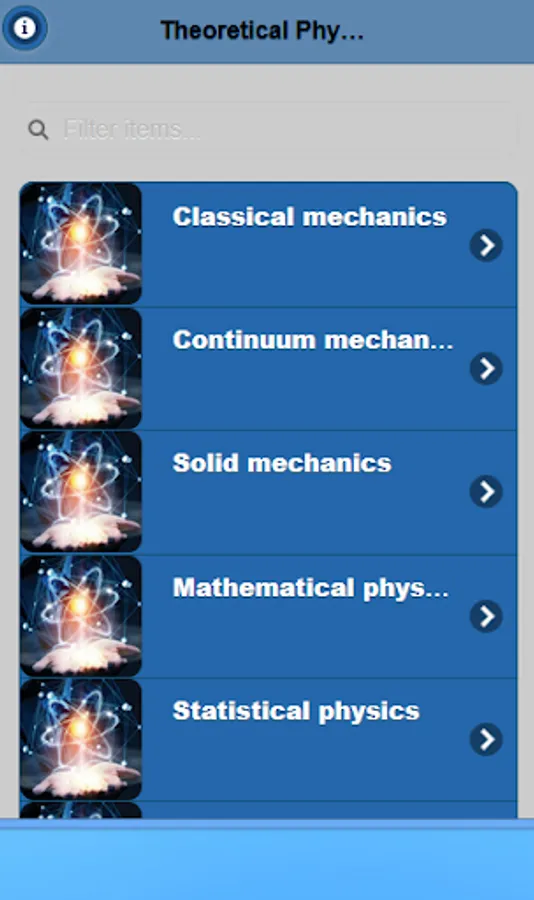
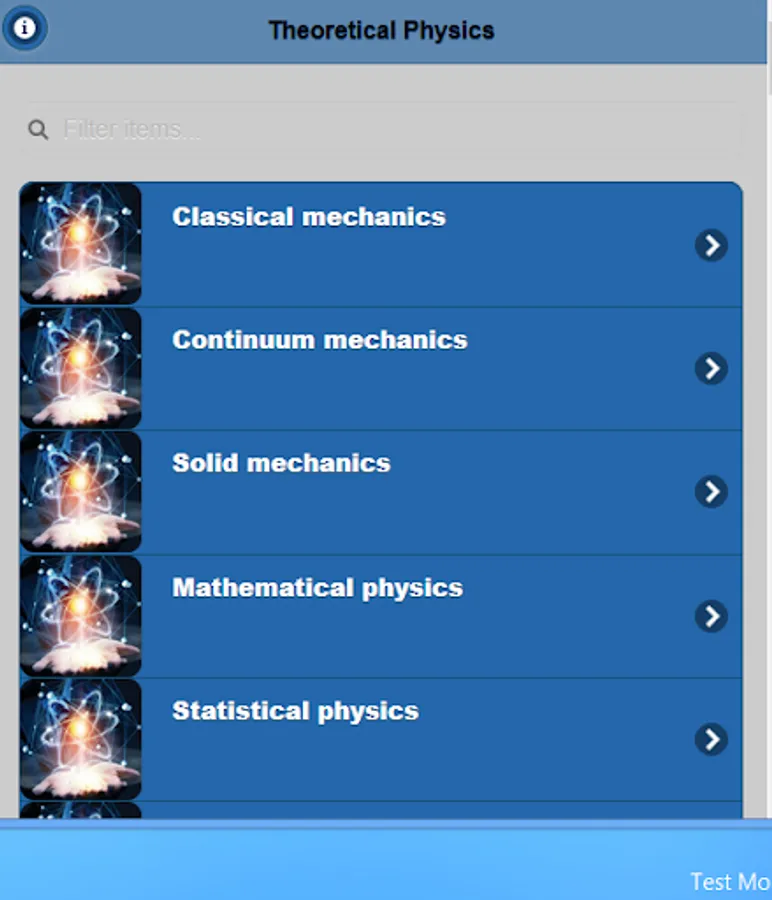
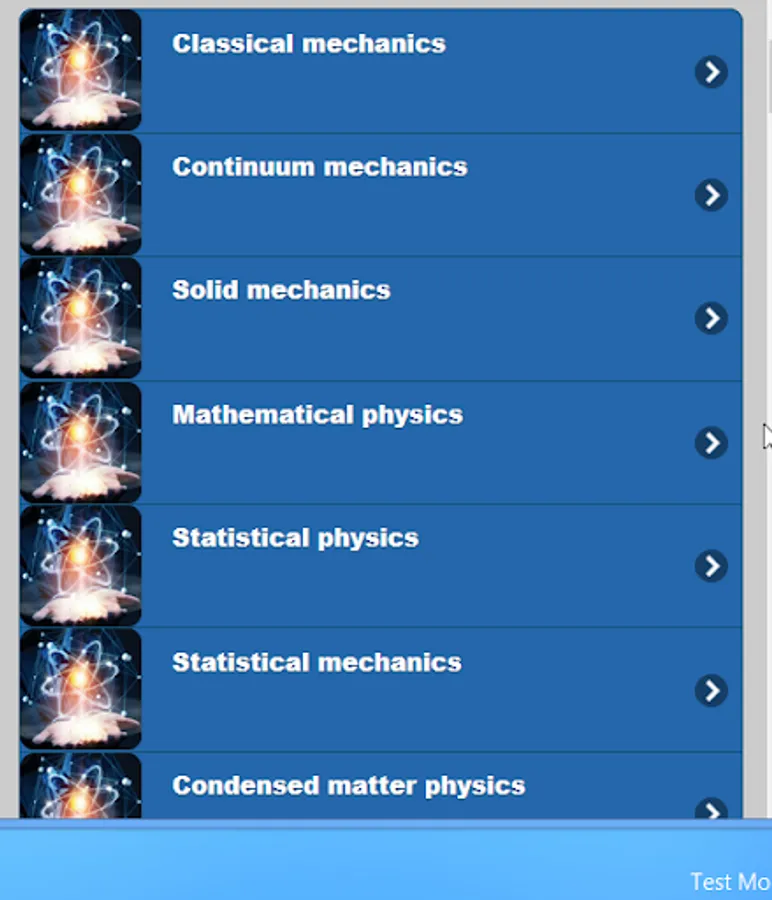
- Classical mechanics
- Continuum mechanics
- Solid mechanics
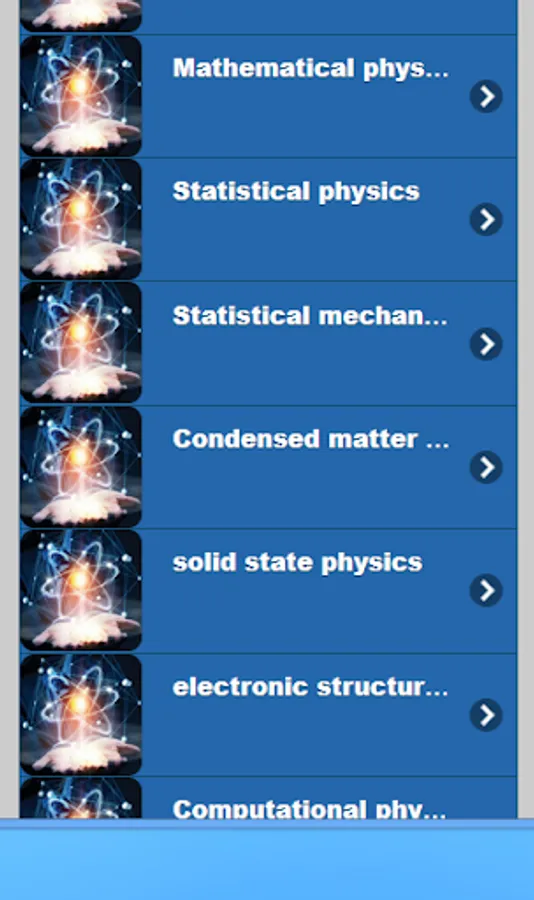
- Mathematical physics
- Statistical physics
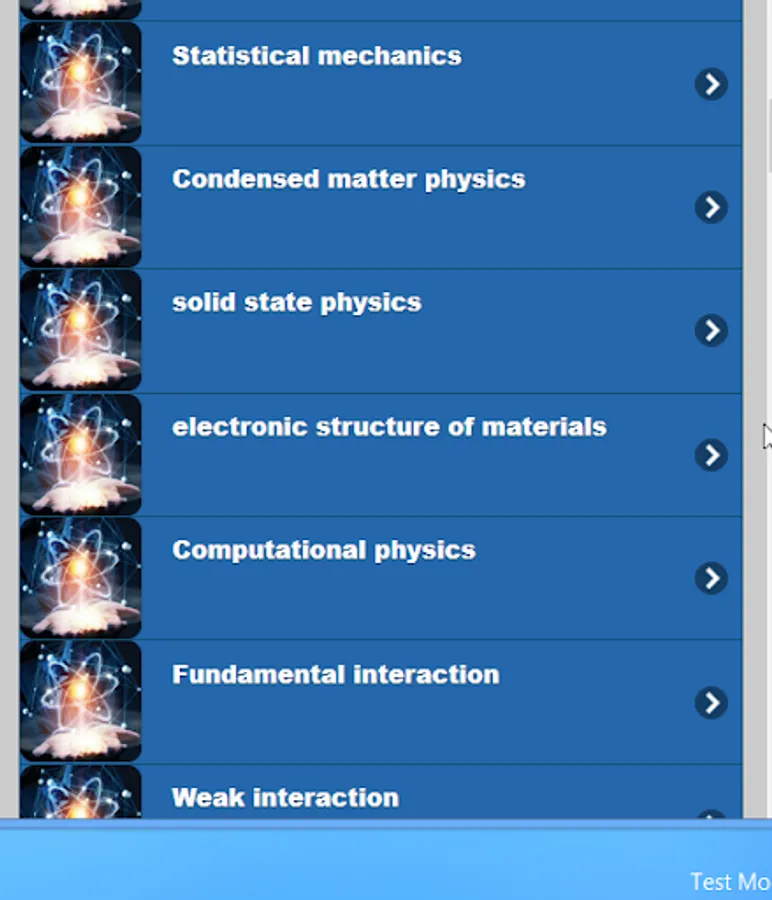
- Statistical mechanics
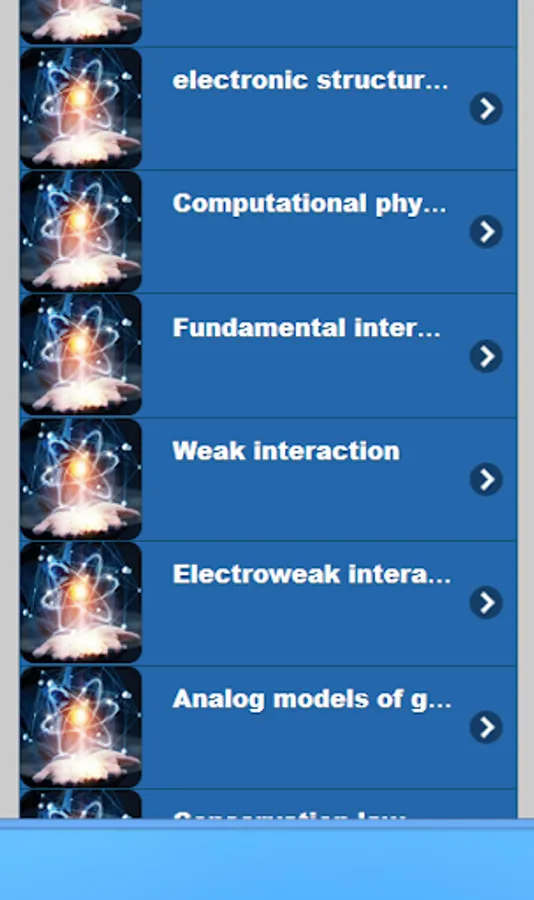
- Condensed matter physics (including solid state physics and the electronic structure of materials)
- Computational physics
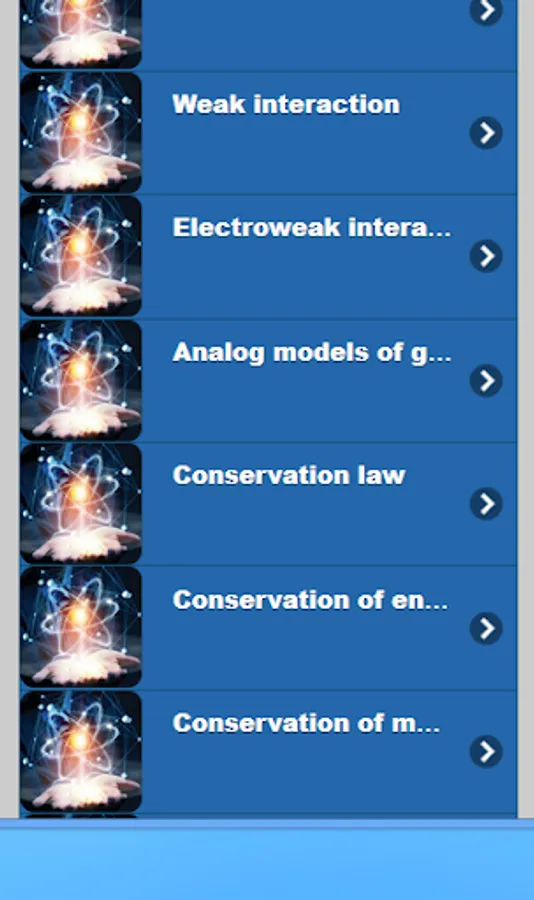
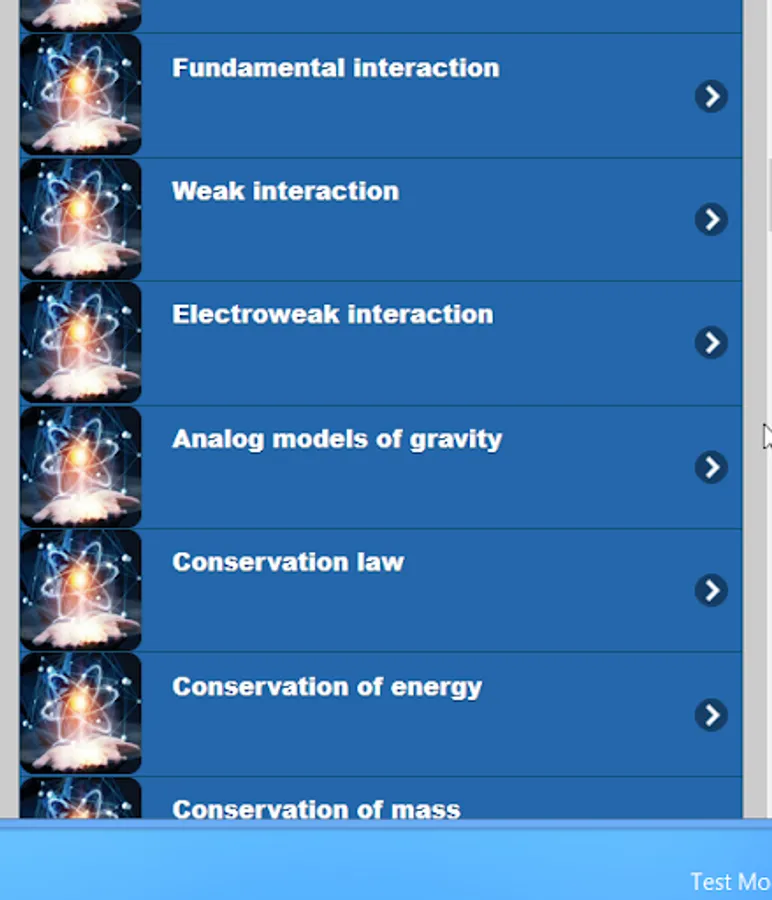
- Fundamental interaction
- Weak interaction
The advancement of science generally depends on the interplay between experimental studies and theory. In some cases, theoretical physics adheres to standards of mathematical rigor while giving little weight to experiments and observations. For example, while developing special relativity, Albert Einstein was concerned with the Lorentz transformation which left Maxwell's equations invariant, but was apparently uninterested in the Michelson–Morley experiment on Earth's drift through a luminiferous ether. Conversely, Einstein was awarded the Nobel Prize for explaining the photoelectric effect, previously an experimental result lacking a theoretical formulation.
Some material of theoretical physics is;
- Classical mechanics
- Continuum mechanics
- Solid mechanics
- Mathematical physics
- Statistical physics
- Statistical mechanics
- Condensed matter physics (including solid state physics and the electronic structure of materials)
- Computational physics
- Fundamental interaction
- Weak interaction
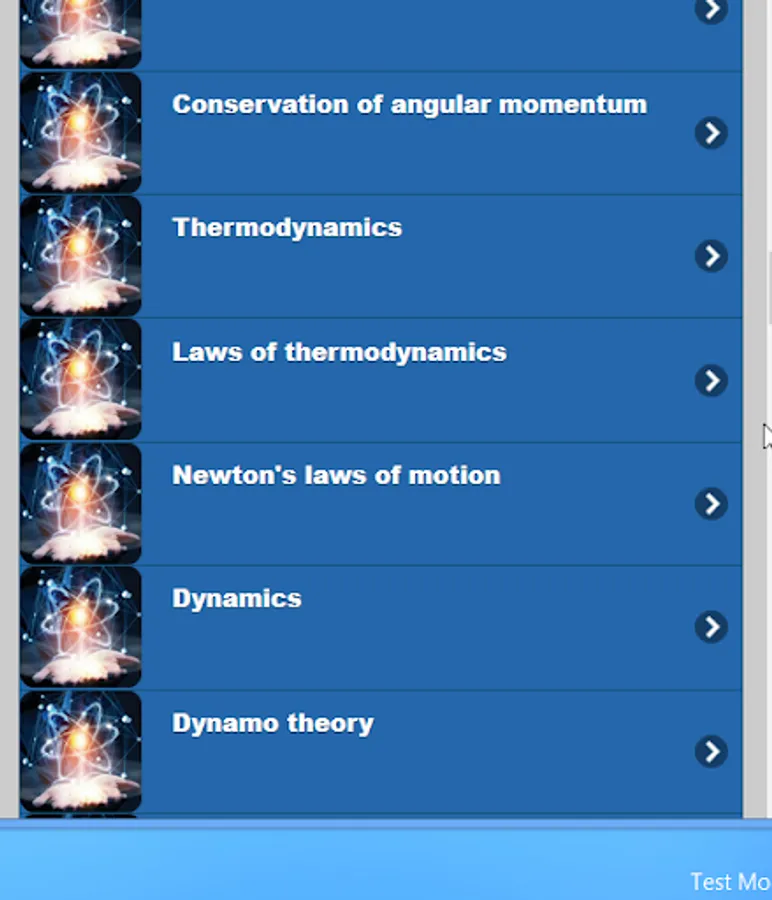
Theoretical Physics Screenshots
Tap to Rate: