
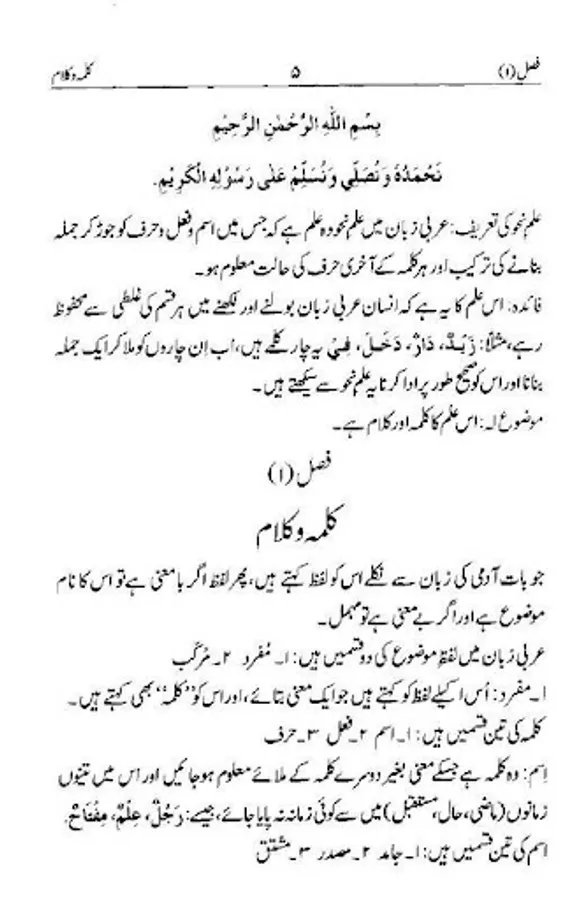
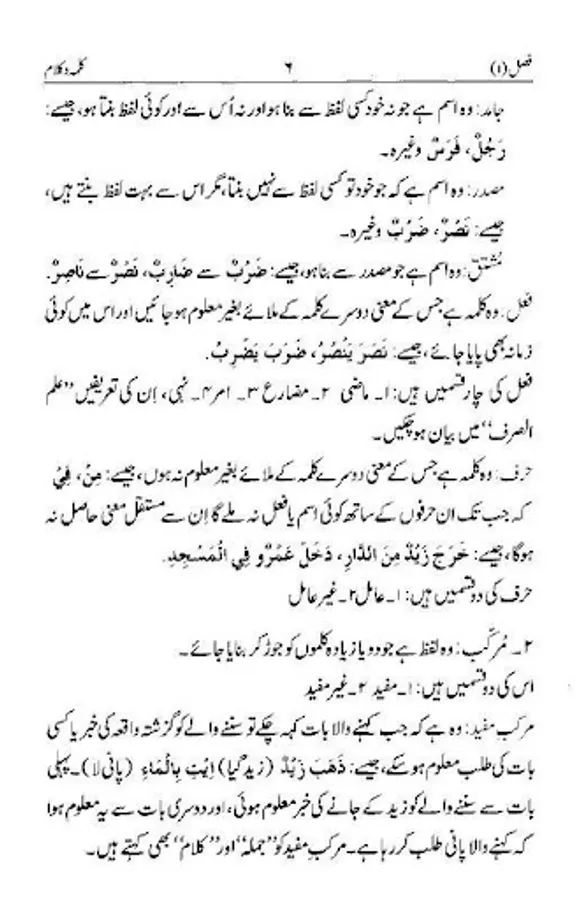
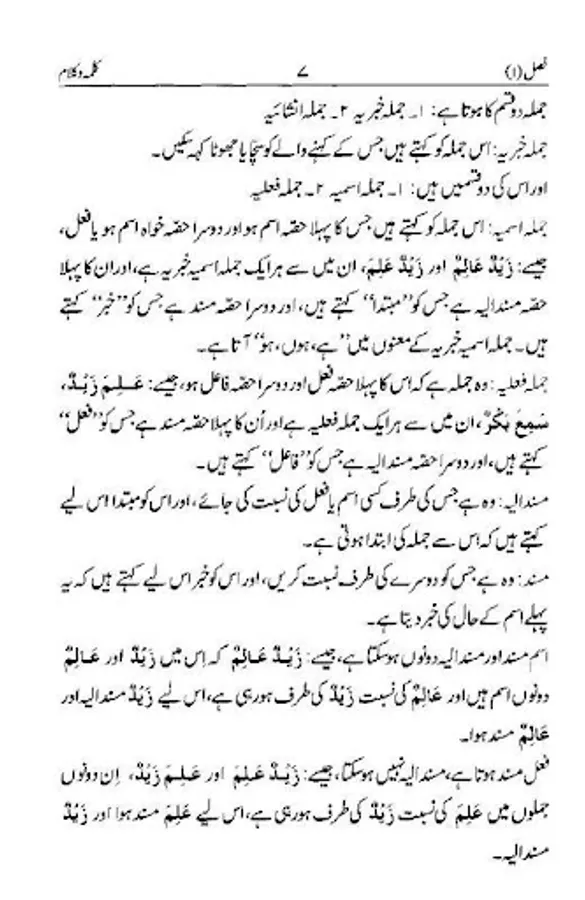
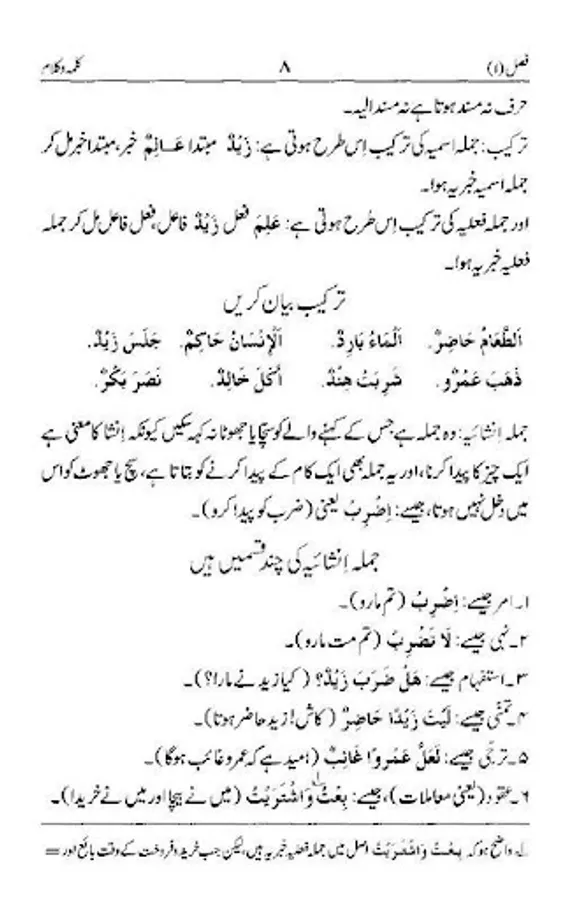
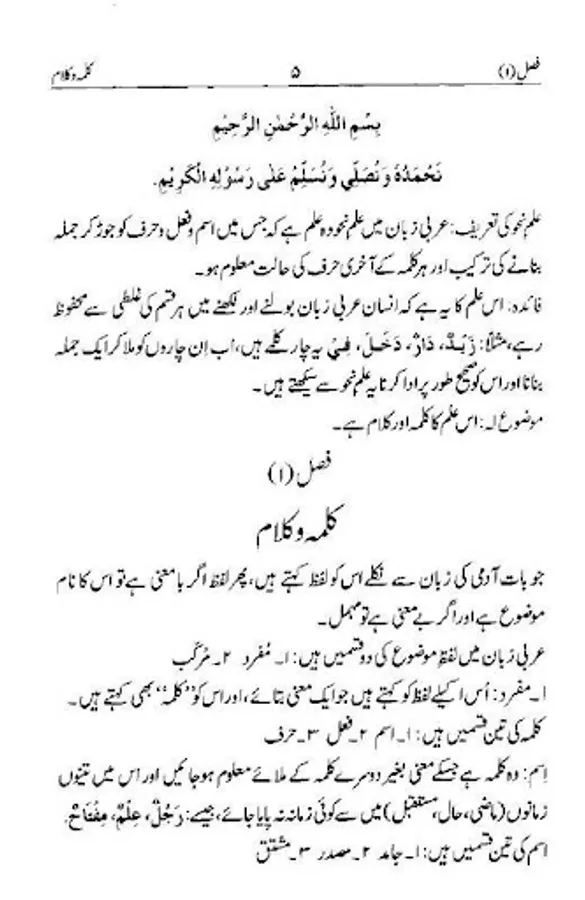
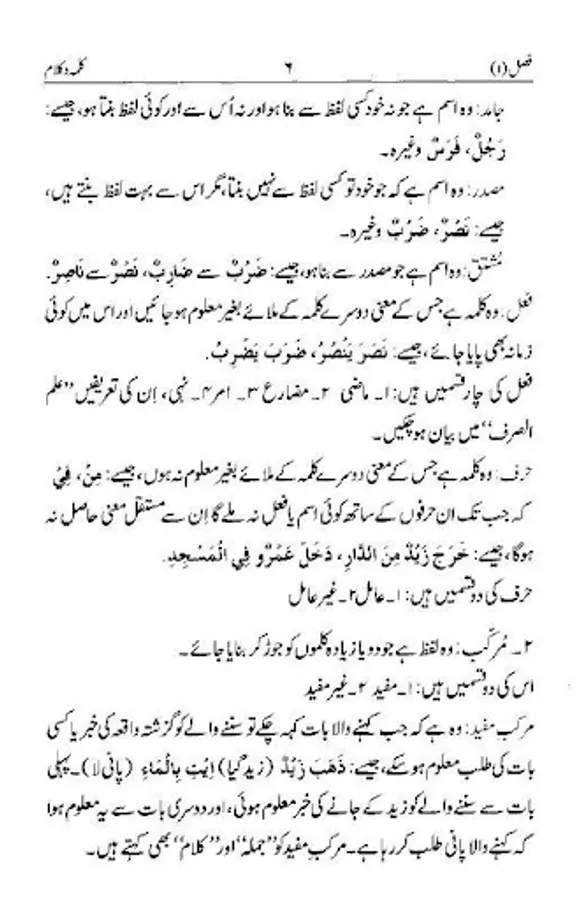
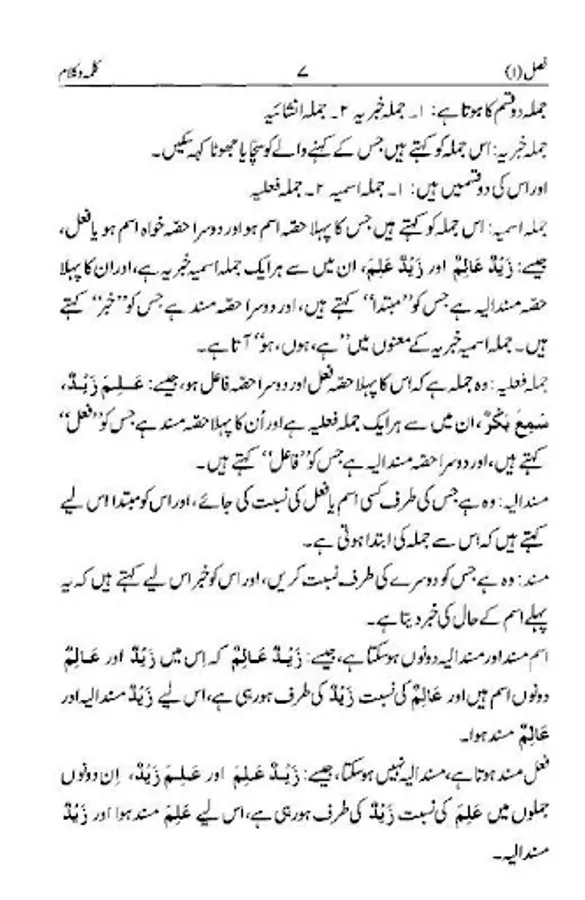
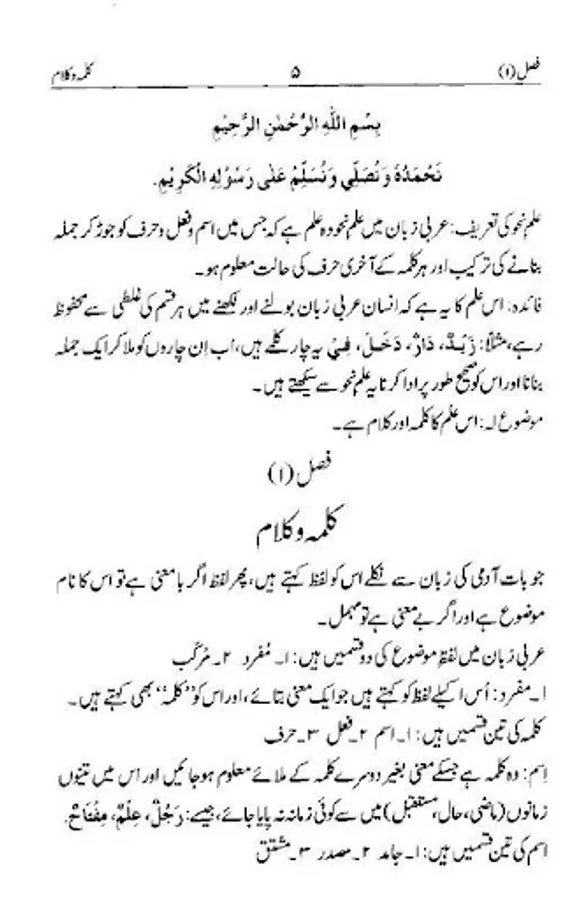
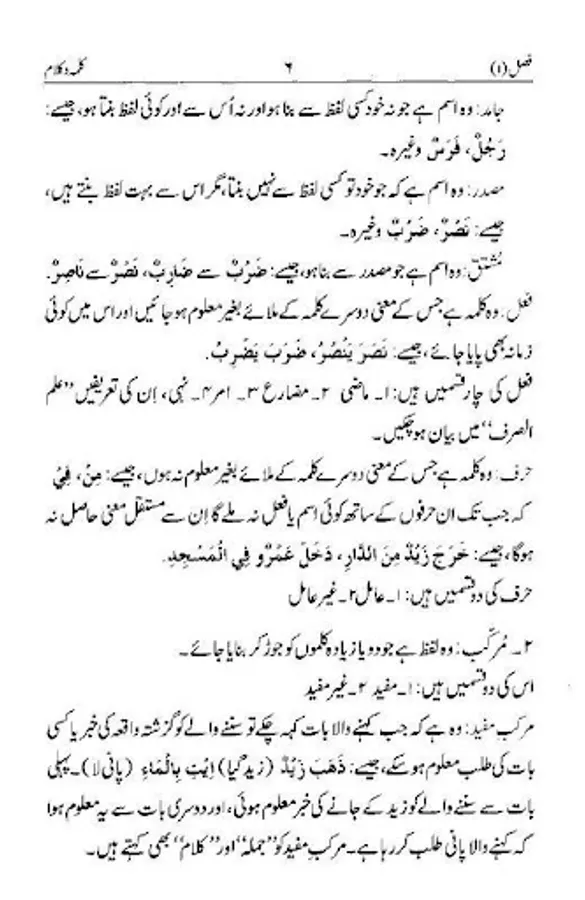
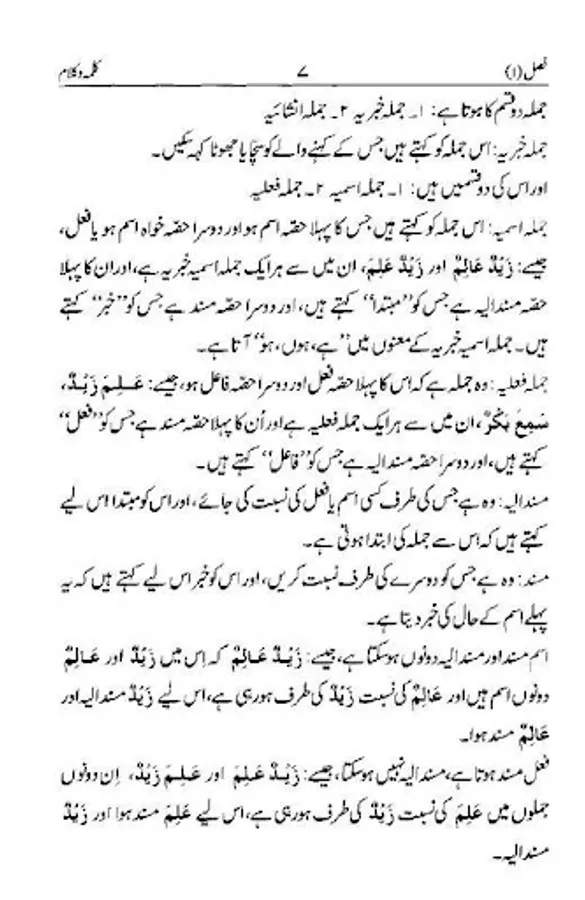
In this educational app, users learn about grammatical states through explanations and examples. Use this app to understand classical and Quranic Arabic grammar concepts. Includes detailed descriptions of رفع, نصب, جَر, and جزم states.
AppRecs review analysis
AppRecs rating 4.9. Trustworthiness 70 out of 100. Review manipulation risk 43 out of 100. Based on a review sample analyzed.
★★★★☆
4.9
AppRecs Rating
Ratings breakdown
5 star
82%
4 star
18%
3 star
0%
2 star
0%
1 star
0%
What to know
⚠
Questionable review patterns
43% review manipulation risk - some review patterns appear unusual
⚠
Rating authenticity concerns
High rating concentration (82% 5-star) in sampled ratings
⚠
Review quality concerns
62% of sampled 5-star reviews are very short
About IlmNahw
The concept of Grammatical States is the cornerstone of نحو . Without the proper understanding of grammatical states you can end up saying The rat ate the cat when you actually want to say The cat ate the rat. An oft cited example for this is from the Quran:
…و اذابتلٰی ﺍﹺﺑﺮٰﻫﻴﻢﹶﺭﺑﹽﹹﻪﹸ ُ…
“And remember when the Lord of Ibrahim tested him…” (Al-Baqarah: 124)
Notice the fatha at the end of ﺍﹺﺑﺮٰﻫﻴﻢﹶ and the dhamma at the end of ﺭﺑﹽﹹﻪﹸ (…Ibrahima Rabbuhu…). Now if someone was to say the same thing as (…Ibrahimu Rabbahu…), that is, switch the fatha with the dhamma, that would mean “Ibrahim tested his Lord”, which would change the meaning altogether [Thanks to Fajr who posted this explanation here].
In English language we seldom see nouns changing their grammatical structure in sentences no matter whether they are subject, object, or part of possession in a sentence. Take for example the following three sentences in English:
The house fell
I entered the house
Door of the house
Notice the noun house: no matter how it occurs in the sentence (Subject in the first, Object in the second, and possessive in the third) its form does not change. The word house remains house. Not so in Arabic! The word for house, ﺍﻟﺑﻴﺖ, will change grammatically (and not structurally) when the above three sentences are rendered in Arabic:
سقط ﺍﻟﺑﻴﺖُ (dhamma at the end of ﺍﻟﺑﻴﺖ )
دخلت ﺍﻟﺑﻴﺖﹶ (fatha at the end of ﺍﻟﺑﻴﺖ)
باب ﺍﻟﺑﻴﺖِ (kasra at the end of ﺍﻟﺑﻴﺖ)
This is a classic example of change in grammatical state in the Arabic Language. Technically speaking there are 4 grammatical states in Arabic:
رفع
نصب
جر
جزم
…و اذابتلٰی ﺍﹺﺑﺮٰﻫﻴﻢﹶﺭﺑﹽﹹﻪﹸ ُ…
“And remember when the Lord of Ibrahim tested him…” (Al-Baqarah: 124)
Notice the fatha at the end of ﺍﹺﺑﺮٰﻫﻴﻢﹶ and the dhamma at the end of ﺭﺑﹽﹹﻪﹸ (…Ibrahima Rabbuhu…). Now if someone was to say the same thing as (…Ibrahimu Rabbahu…), that is, switch the fatha with the dhamma, that would mean “Ibrahim tested his Lord”, which would change the meaning altogether [Thanks to Fajr who posted this explanation here].
In English language we seldom see nouns changing their grammatical structure in sentences no matter whether they are subject, object, or part of possession in a sentence. Take for example the following three sentences in English:
The house fell
I entered the house
Door of the house
Notice the noun house: no matter how it occurs in the sentence (Subject in the first, Object in the second, and possessive in the third) its form does not change. The word house remains house. Not so in Arabic! The word for house, ﺍﻟﺑﻴﺖ, will change grammatically (and not structurally) when the above three sentences are rendered in Arabic:
سقط ﺍﻟﺑﻴﺖُ (dhamma at the end of ﺍﻟﺑﻴﺖ )
دخلت ﺍﻟﺑﻴﺖﹶ (fatha at the end of ﺍﻟﺑﻴﺖ)
باب ﺍﻟﺑﻴﺖِ (kasra at the end of ﺍﻟﺑﻴﺖ)
This is a classic example of change in grammatical state in the Arabic Language. Technically speaking there are 4 grammatical states in Arabic:
رفع
نصب
جر
جزم
IlmNahw Screenshots



Tap to Rate:
Reviews for IlmNahw
Usman Khan
6/16/2023
زبردست
Muhammad Iqbal
2/24/2023
Very useful