Jigsaw Puzzles
dingguo.cc
4.5 ★
271 ratings
100,000+
downloads
Free
+ in-app
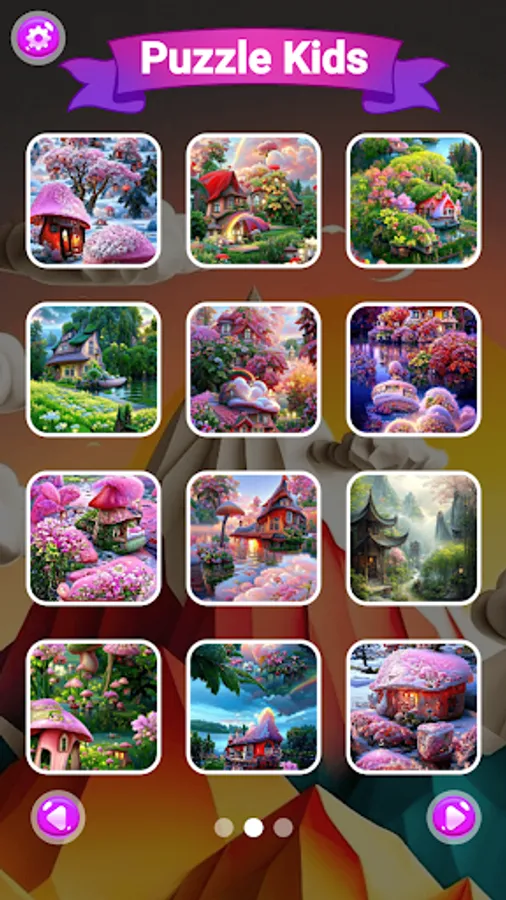
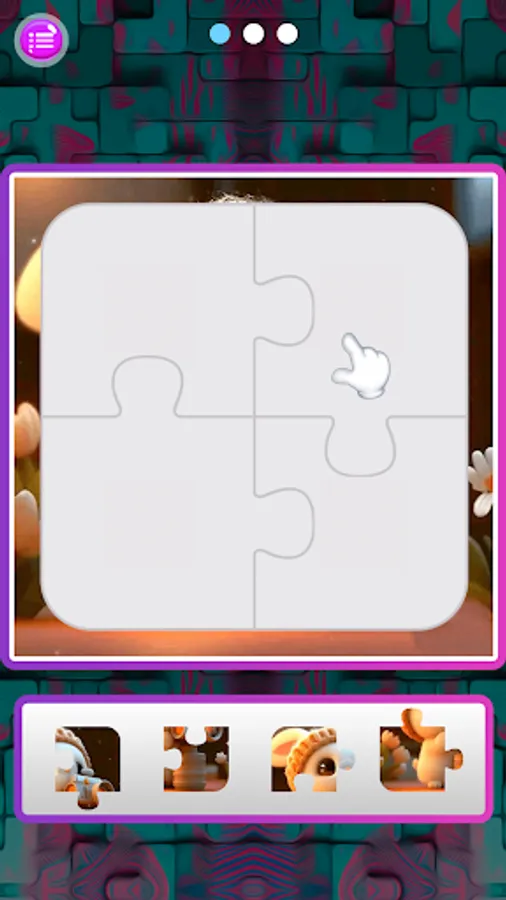
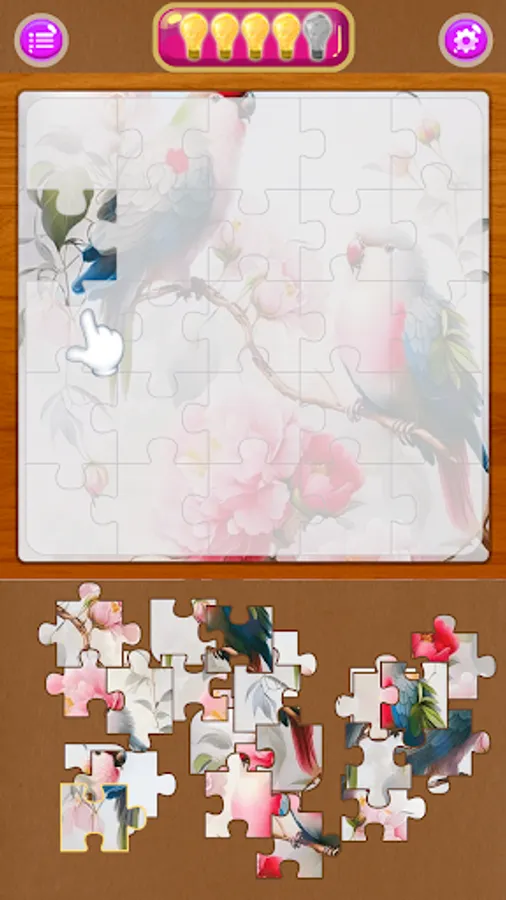
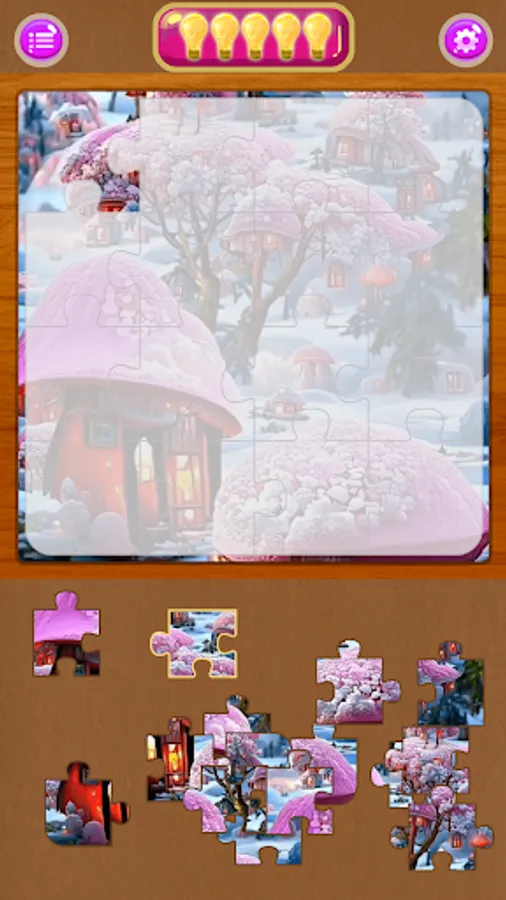
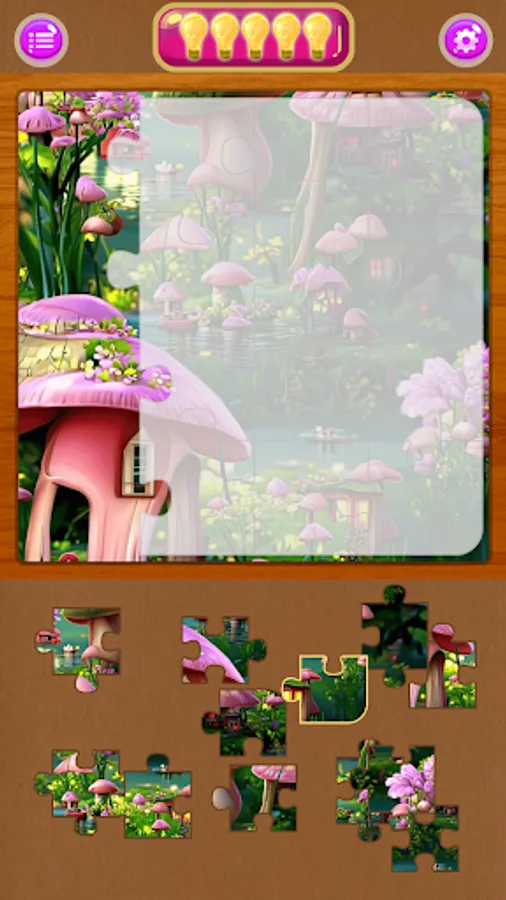
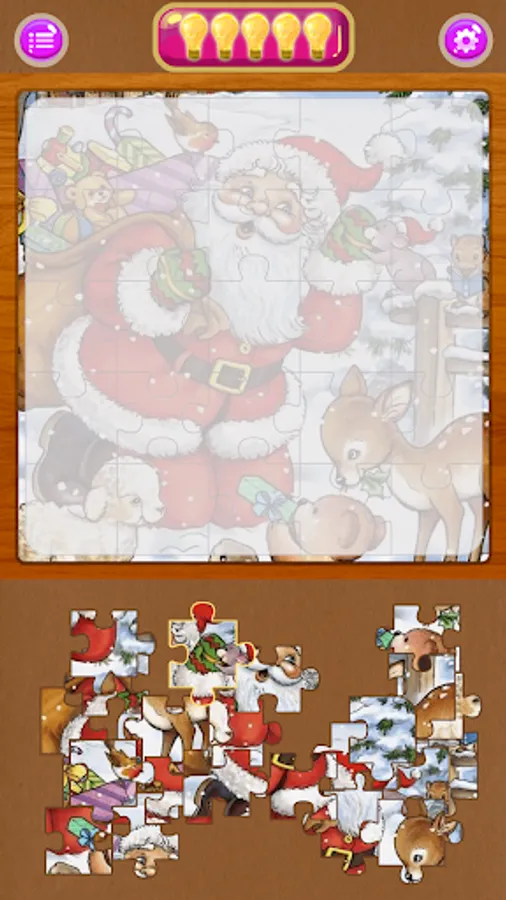
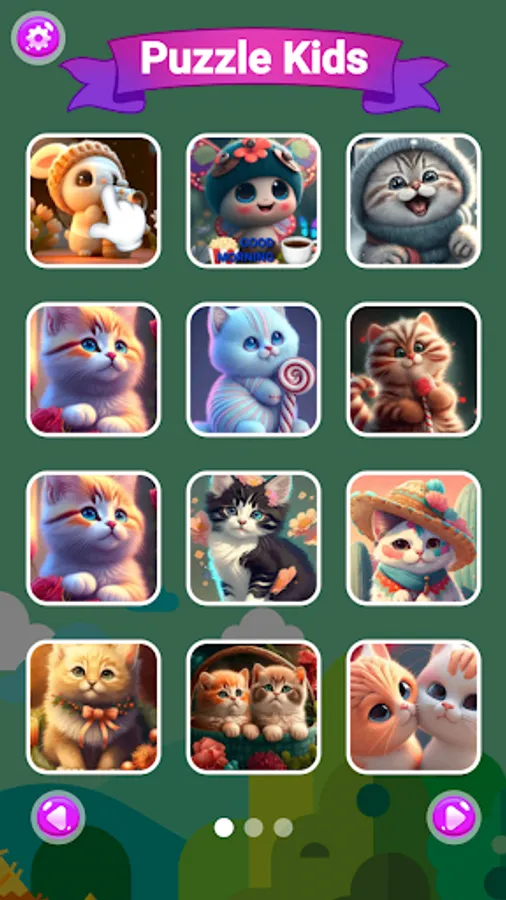
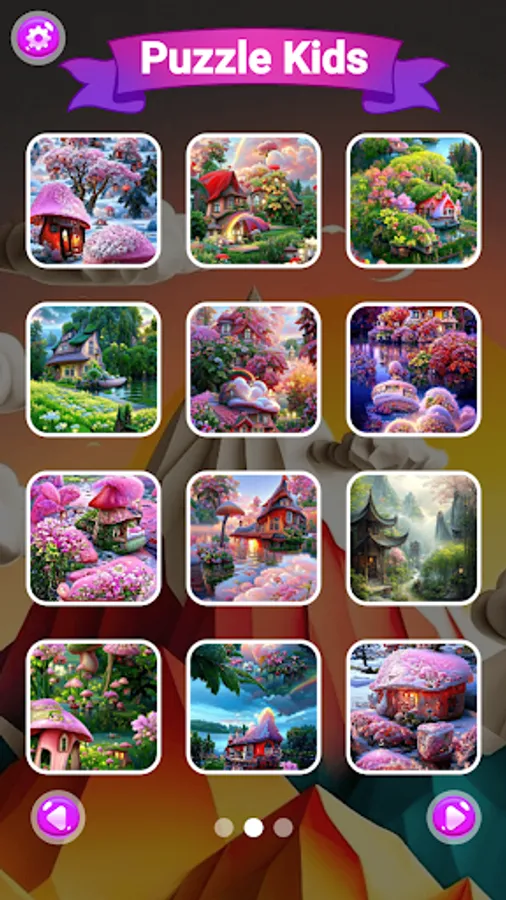
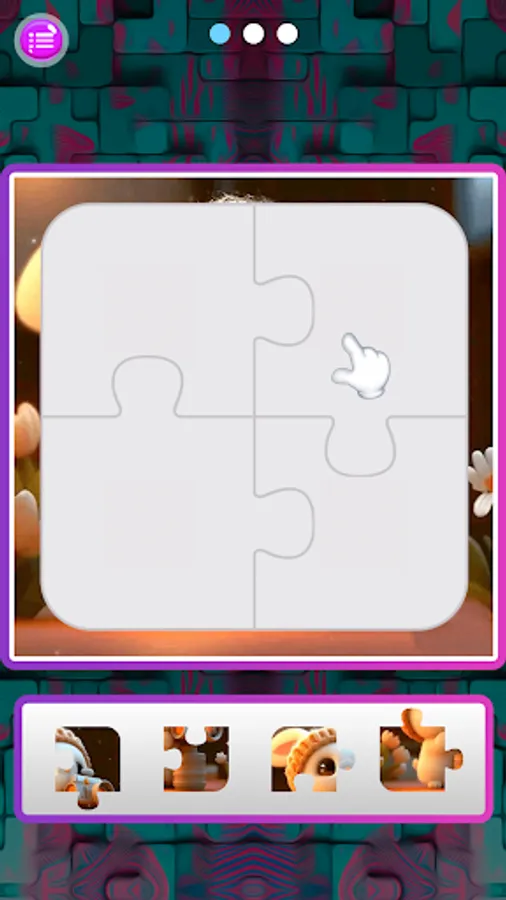
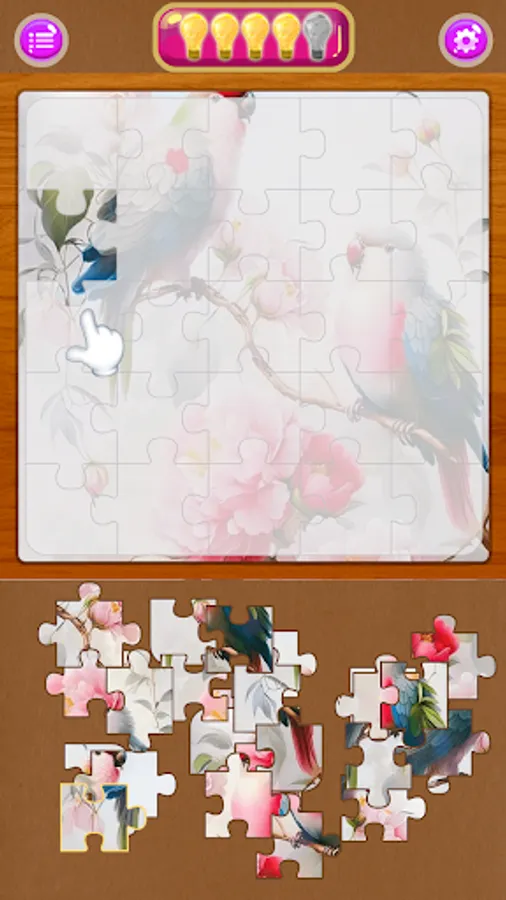
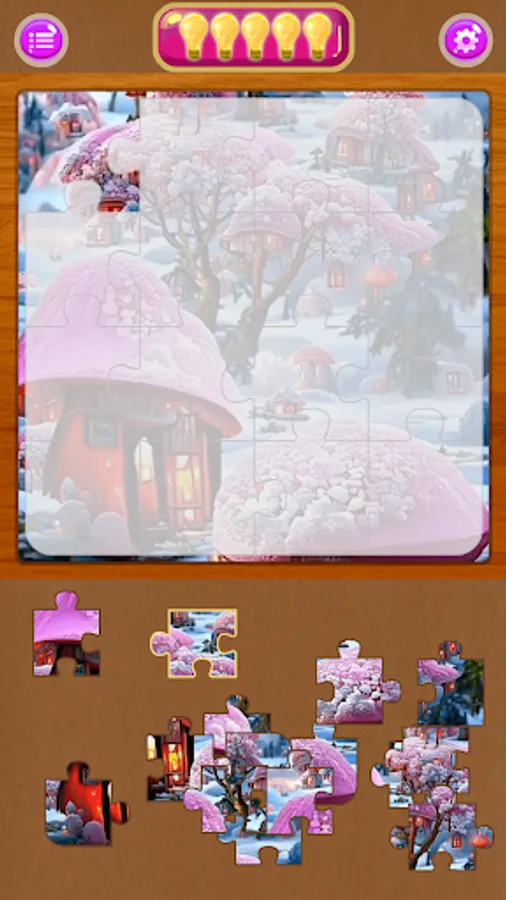
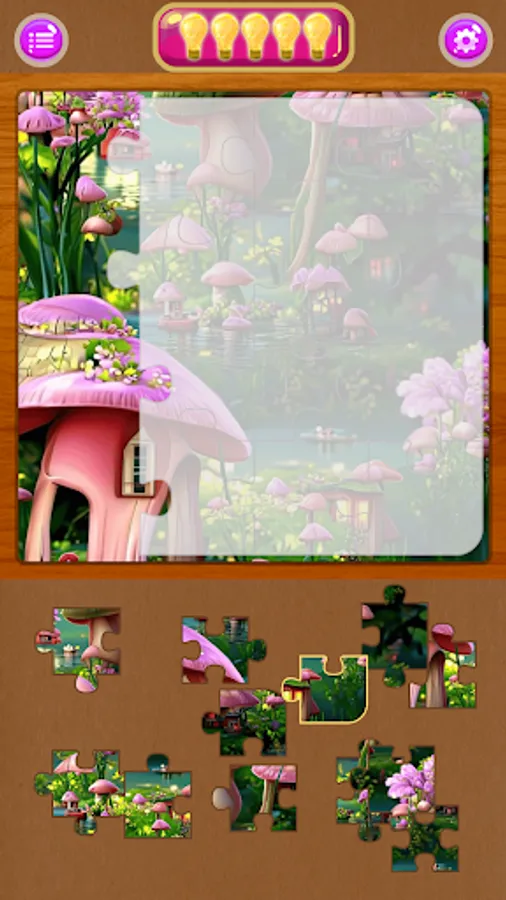
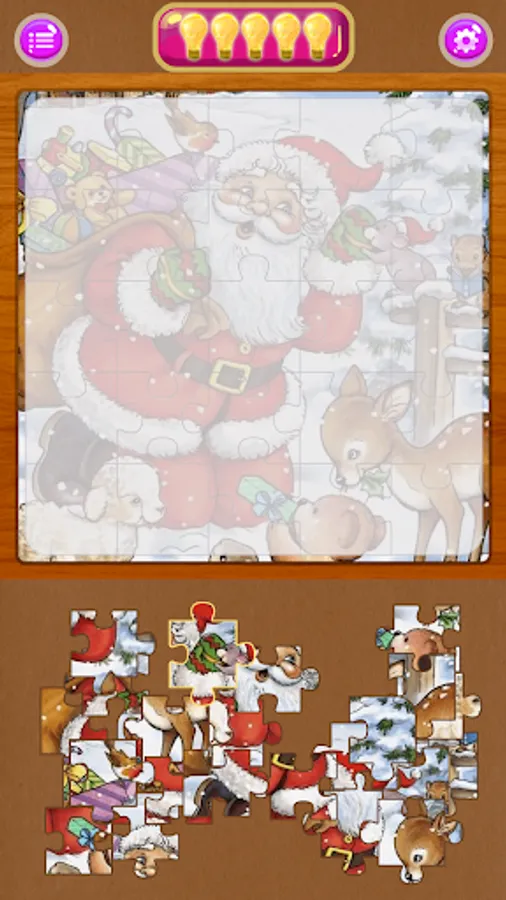
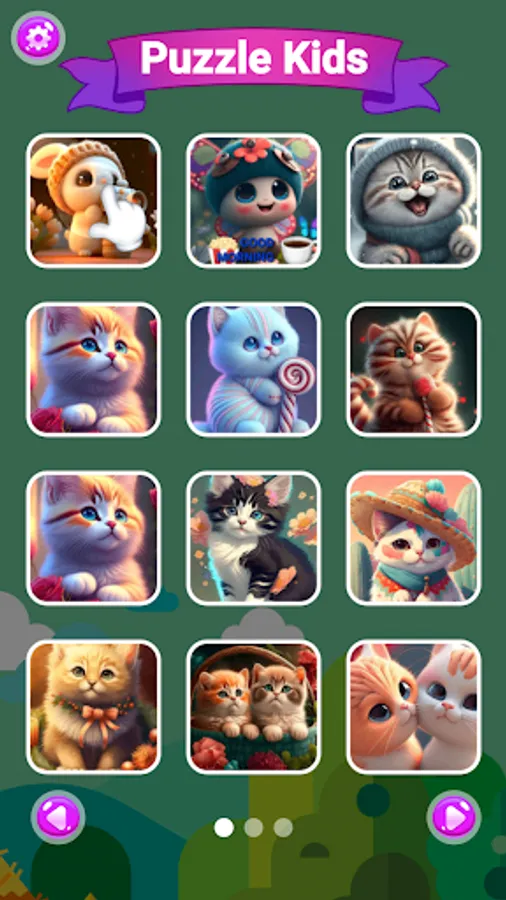
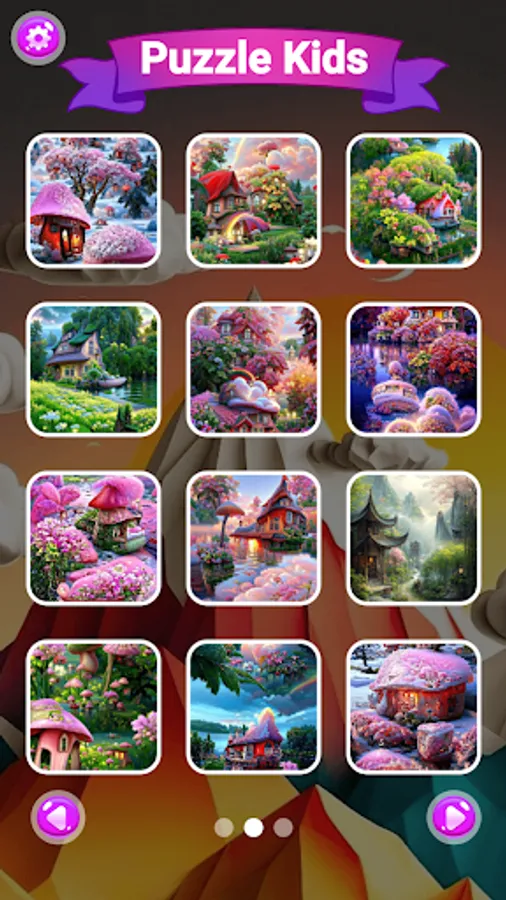
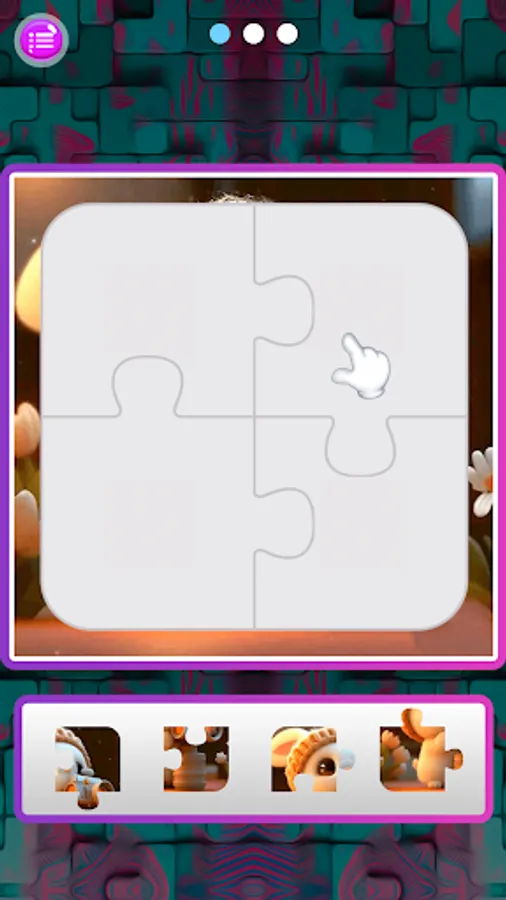
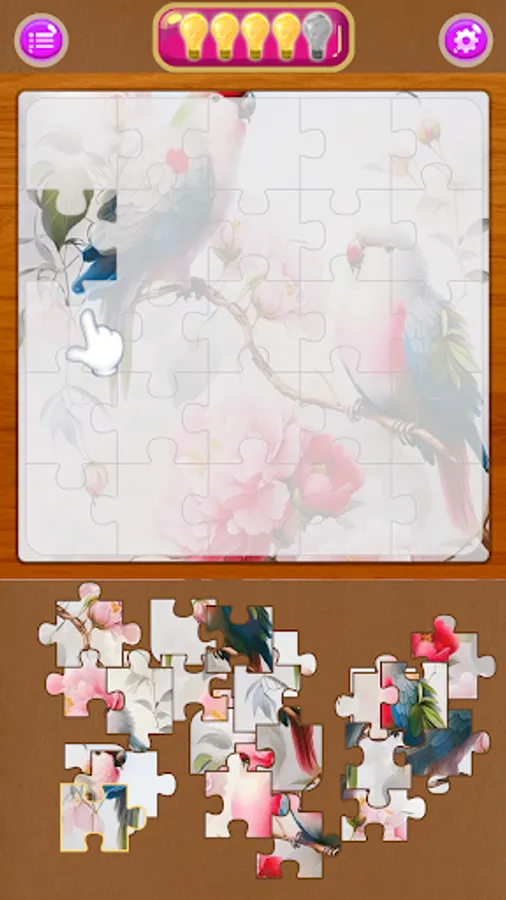
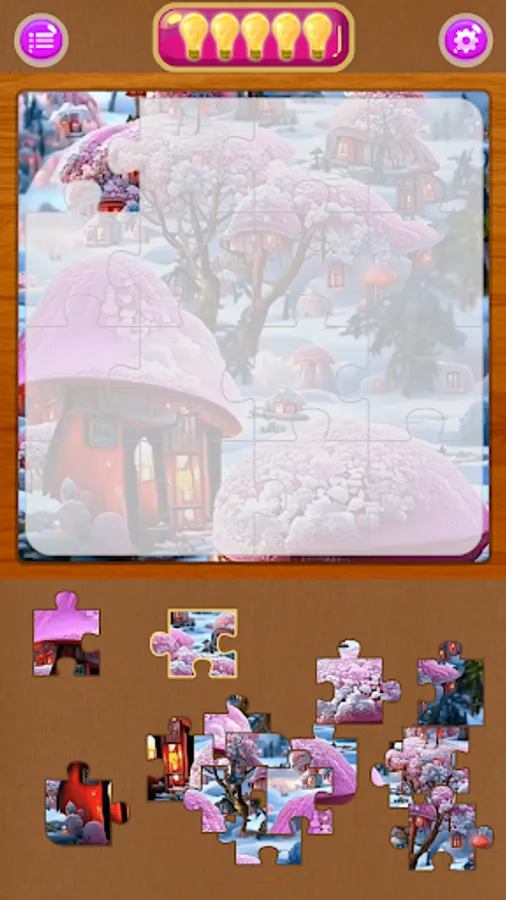
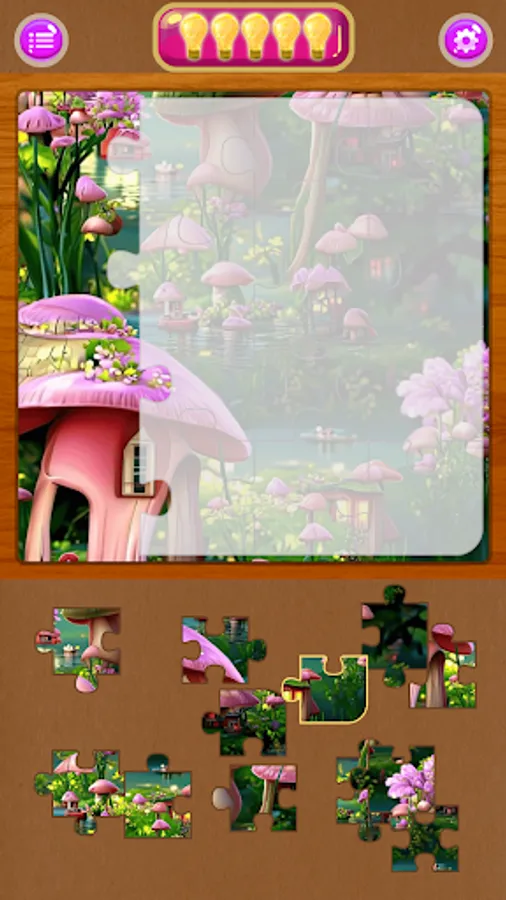
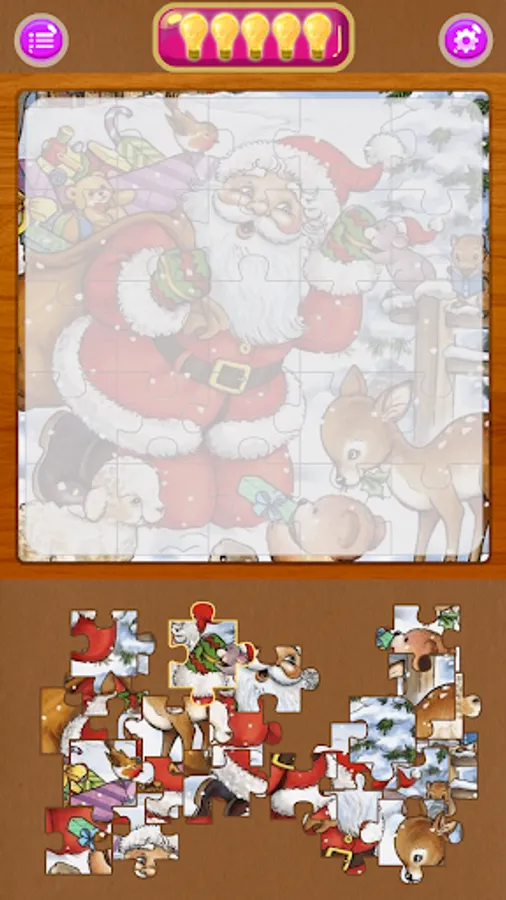
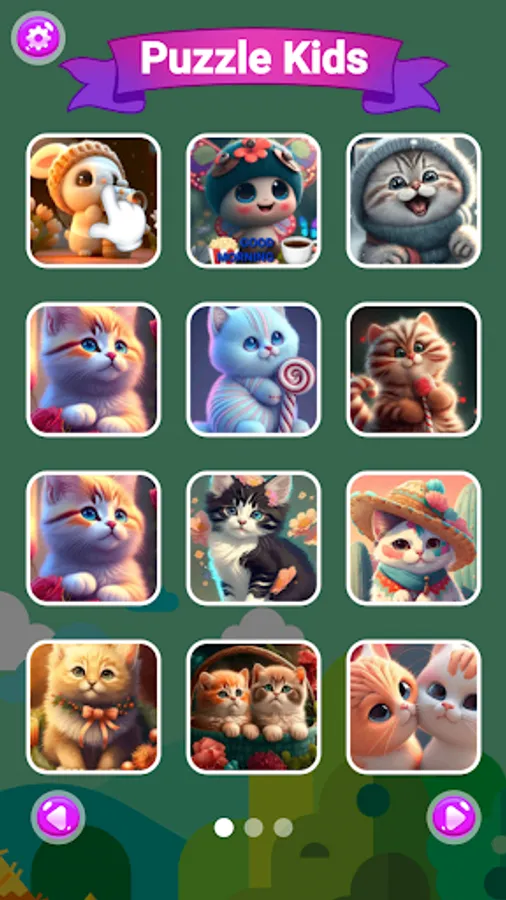
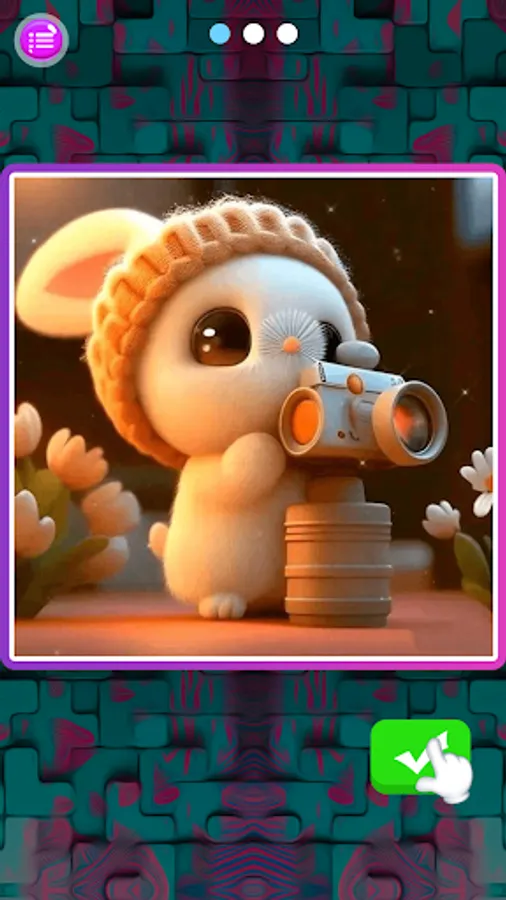
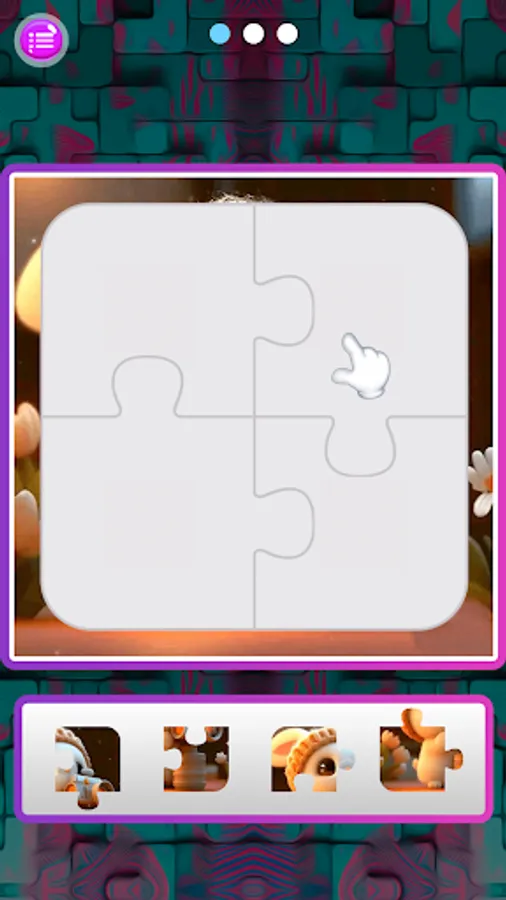
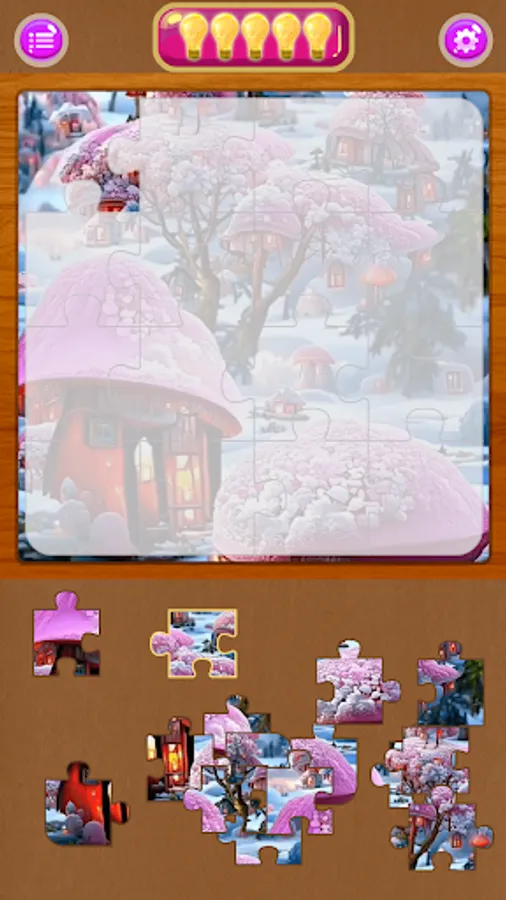
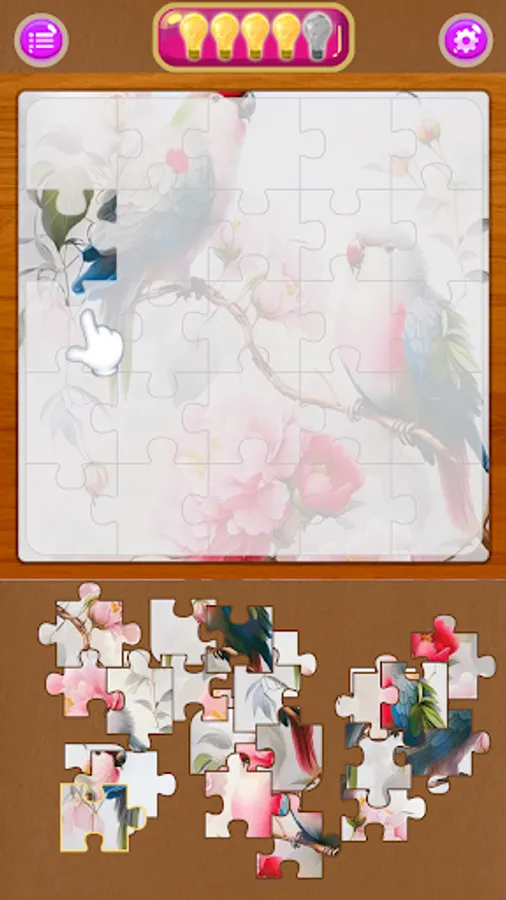
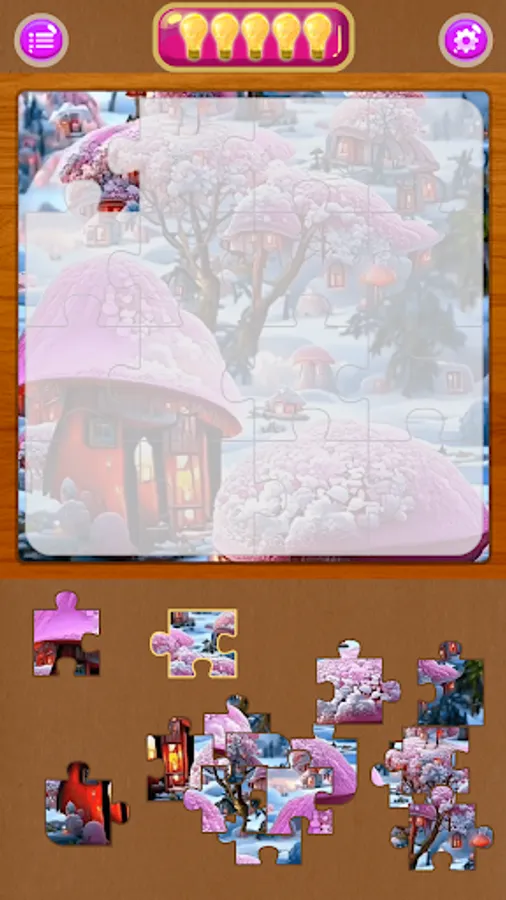
With this puzzle app, you can assemble virtual jigsaw puzzles to challenge your problem-solving skills and improve cognitive abilities. Includes multiple puzzle difficulty levels, customizable images, and progress tracking features.
AppRecs review analysis
AppRecs rating 4.5. Trustworthiness 70 out of 100. Review manipulation risk 28 out of 100. Based on a review sample analyzed.
★★★★☆
4.5
AppRecs Rating
Ratings breakdown
5 star
79%
4 star
9%
3 star
4%
2 star
0%
1 star
9%
What to know
✓
Low review manipulation risk
28% review manipulation risk
✓
High user satisfaction
87% of sampled ratings are 4+ stars (4.5★ average)
✓
Authentic reviews
No red flags detected
About Jigsaw Puzzles
Everyone is a genius (even though they eat old Cheerios off the floor). Give your a free puzzle, watch you mind work some magic and you’ll be certain a Nobel Prize is next.
All ages can gain benefits from playing with puzzles game. These brain-building activities help develop cognitive and fine-motor skills, foster cooperative play and spur problem-solving prowess. Not only are puzzles a perfect way to spend some quality time together, but feel proud of themselves for completing one. Better yet, they’re an interactive way to teach colors, letters, numbers, shapes, animals and beyond.
There are different types of puzzles for different ages. One-year-olds have a blast with large, simple wooden puzzles where shapes easily fit into each cutout. As you grow, move onto more advanced setups with pieces of varying sizes and configurations.
You may put more pieces in mouth than in designated places at first, but a little practice goes a long way in boosting hand-eye coordination. Be patient and resist the urge to help too much. Part of the fun is letting little ones figure things out for themselves. When you childhood, it’s all about tactile and sensory experiences as well as understanding size differentiation and object recognition.
All ages can gain benefits from playing with puzzles game. These brain-building activities help develop cognitive and fine-motor skills, foster cooperative play and spur problem-solving prowess. Not only are puzzles a perfect way to spend some quality time together, but feel proud of themselves for completing one. Better yet, they’re an interactive way to teach colors, letters, numbers, shapes, animals and beyond.
There are different types of puzzles for different ages. One-year-olds have a blast with large, simple wooden puzzles where shapes easily fit into each cutout. As you grow, move onto more advanced setups with pieces of varying sizes and configurations.
You may put more pieces in mouth than in designated places at first, but a little practice goes a long way in boosting hand-eye coordination. Be patient and resist the urge to help too much. Part of the fun is letting little ones figure things out for themselves. When you childhood, it’s all about tactile and sensory experiences as well as understanding size differentiation and object recognition.
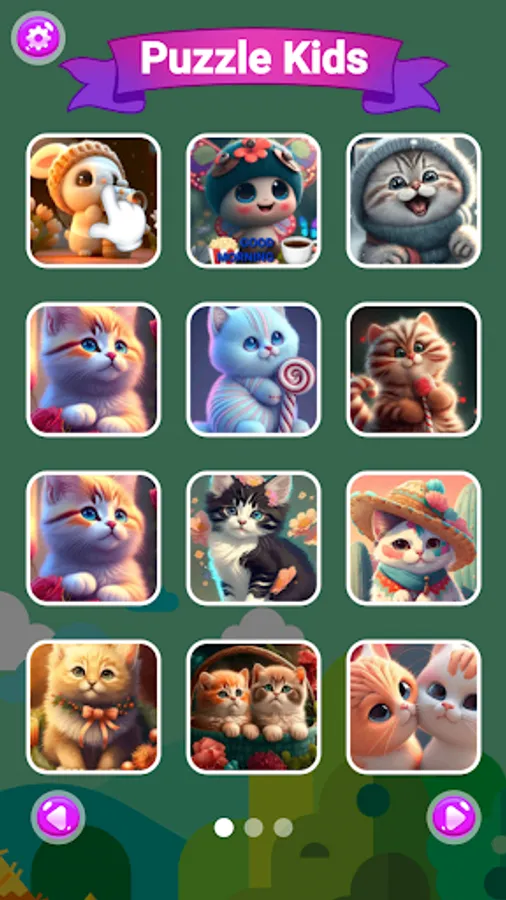
Jigsaw Puzzles Screenshots
Tap to Rate:
Reviews for Jigsaw Puzzles
Lightning Thunder
8/17/2025
nice app!
A Google user
6/20/2025
Make the Jigsaw Puzzles 2 game. So pretty!