AppRecs review analysis
AppRecs rating . Trustworthiness 61 out of 100. Review manipulation risk 48 out of 100. Based on a review sample analyzed.
★
AppRecs Rating
Ratings breakdown
5 star
82%
4 star
2%
3 star
6%
2 star
2%
1 star
8%
What to know
✓
Authentic reviews
No red flags detected
⚠
Questionable review patterns
48% review manipulation risk - some review patterns appear unusual
⚠
Review quality concerns
44% of sampled 5-star reviews are very short
About Grade 11 Physical Science Book
Siyavula Textbooks: Grade 11 Physical Science
* Complete Textbook by Siyavula
* Multiple Choices Questions (MCQ)
* Essay Questions Flash Cards
* Key-Terms Flash Cards
Powered by https://www.jobilize.com/
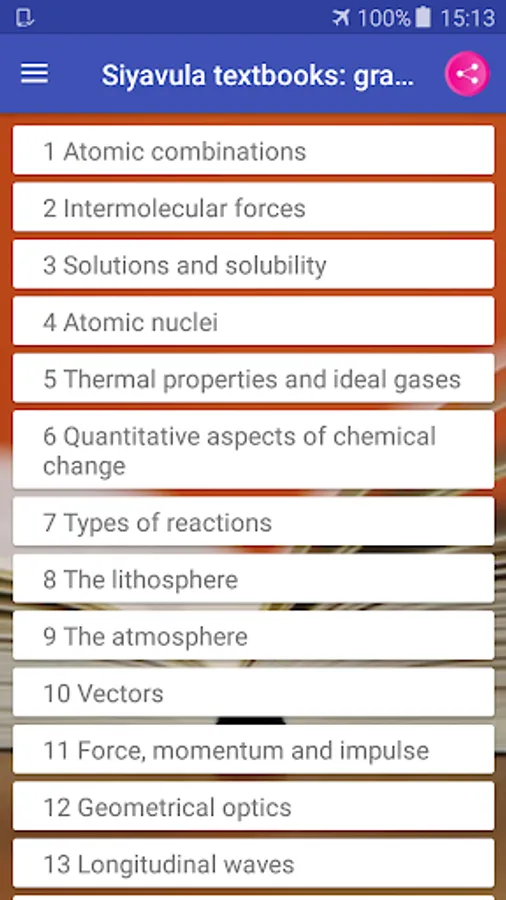
Atomic combinations
Introduction
0.1 Atomic combinations
0.2 Why do atoms bond?
0.3 Energy and bonding
0.4 What happens when atoms bond?
1 Covalent bonding and lewis notation
2 Electronegativity and ionic bonding
3 Metallic bonding
4 Writing chemical formulae
5 Shapes of molecules
6 Oxidation numbers
7 Energy changes in chemical reactions
Intermolecular forces
Introduction and types of intermolecular forces
1 Understanding intermolecular forces
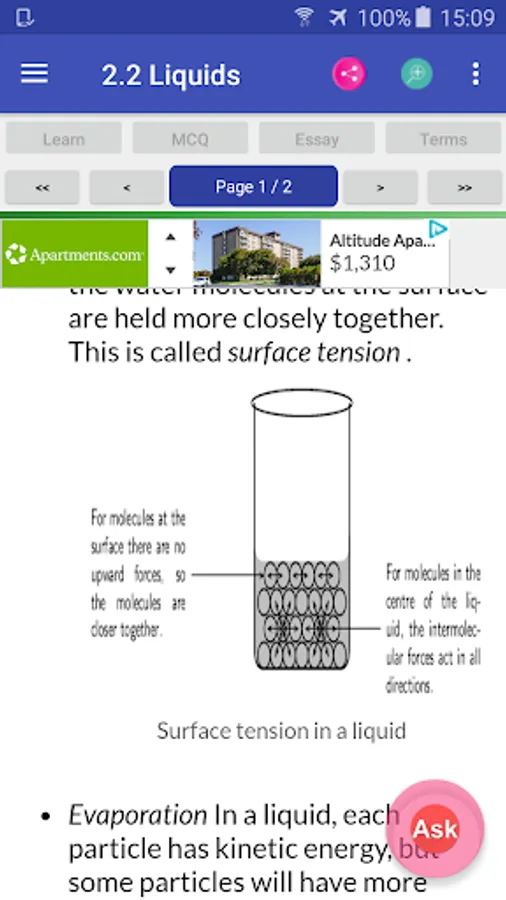
2 Liquids
Solutions and solubility
Introduction and key concepts
1 Solubility
Atomic nuclei
Introduction
1 Radioactivity and types of radiation
2 Sources of radiation
3 Half-life
4 Dangers and uses of radiation
5 Nuclear fission and fusion
Thermal properties and ideal gases
Boyle's law and charle's law
1 Ideal gas law and general gas equation
Quantitative aspects of chemical change
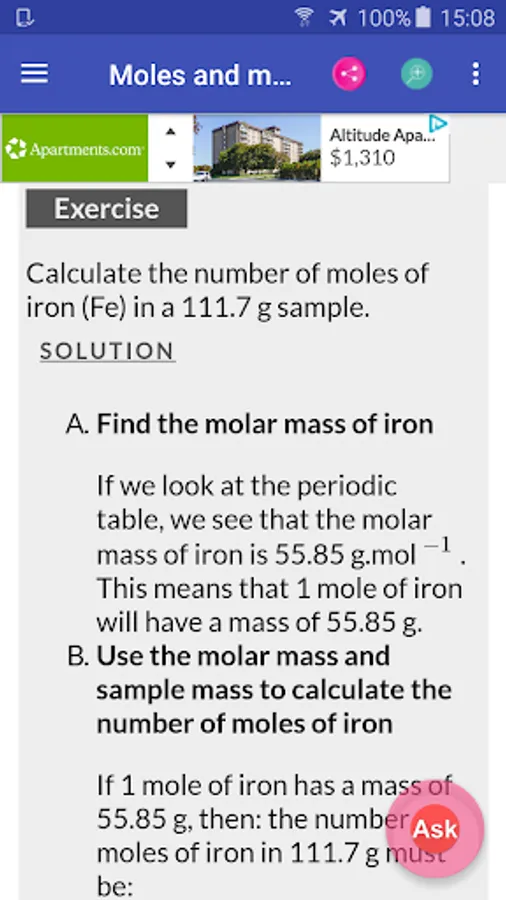
Moles and molar mass
1 Stoichiometry and composition
Types of reactions
Acid-base reactions
1 Redox reactions
2 Addition, elimination and substitution reactions
The lithosphere
Introduction
1 Mining and mineral processing
2 Energy resources
The atmosphere
Composition and structure
1 Greenhouse gases and global warming
Vectors
Introduction and key concepts
1 Mathematical properties
2 Adding and subtracting vectors
3 Components
Force, momentum and impulse
Introduction and key concepts
1 Newton's first law
2 Newton's second law
3 Lifts and rockets
4 Newton's third law
5 Different types of forces
6 Forces in equilibrium
7 Forces between masses
8 Momentum
9 Change in momentum
10 Impulse
11 Conservation of momentum
12 Physics in action
13 Torque and levers
14 Summary and exercises
Geometrical optics
Converging lenses
1 Diverging lenses
2 The human eye
3 Telescopes and microscopes
Longitudinal waves
Introduction and key concepts
1 Sound waves, seismic waves and graphs of motion
Sound
Introduction and key concepts
1 Applications
The physics of music
Standing waves in string instruments
1 Standing waves in wind instruments
2 Resonance and sound quality
Electrostatics
Coulomb's law
1 Electric fields around charges
2 Electrical potential energy
3 Capacitors
Electromagnetism
Magnetic field associated with a current
1 Current induced by a changing magnetic field
2 Transformers
3 Motion of a charged particle in a magnetic field
Electric circuits
Ohm's law
1 Resistance
2 Parallel and series networks
Electronic properties of matter
Conductors, insulators and semi-conductors
1 Intrinsic properties and doping
2 The p-n junction
* Complete Textbook by Siyavula
* Multiple Choices Questions (MCQ)
* Essay Questions Flash Cards
* Key-Terms Flash Cards
Powered by https://www.jobilize.com/
Atomic combinations
Introduction
0.1 Atomic combinations
0.2 Why do atoms bond?
0.3 Energy and bonding
0.4 What happens when atoms bond?
1 Covalent bonding and lewis notation
2 Electronegativity and ionic bonding
3 Metallic bonding
4 Writing chemical formulae
5 Shapes of molecules
6 Oxidation numbers
7 Energy changes in chemical reactions
Intermolecular forces
Introduction and types of intermolecular forces
1 Understanding intermolecular forces
2 Liquids
Solutions and solubility
Introduction and key concepts
1 Solubility
Atomic nuclei
Introduction
1 Radioactivity and types of radiation
2 Sources of radiation
3 Half-life
4 Dangers and uses of radiation
5 Nuclear fission and fusion
Thermal properties and ideal gases
Boyle's law and charle's law
1 Ideal gas law and general gas equation
Quantitative aspects of chemical change
Moles and molar mass
1 Stoichiometry and composition
Types of reactions
Acid-base reactions
1 Redox reactions
2 Addition, elimination and substitution reactions
The lithosphere
Introduction
1 Mining and mineral processing
2 Energy resources
The atmosphere
Composition and structure
1 Greenhouse gases and global warming
Vectors
Introduction and key concepts
1 Mathematical properties
2 Adding and subtracting vectors
3 Components
Force, momentum and impulse
Introduction and key concepts
1 Newton's first law
2 Newton's second law
3 Lifts and rockets
4 Newton's third law
5 Different types of forces
6 Forces in equilibrium
7 Forces between masses
8 Momentum
9 Change in momentum
10 Impulse
11 Conservation of momentum
12 Physics in action
13 Torque and levers
14 Summary and exercises
Geometrical optics
Converging lenses
1 Diverging lenses
2 The human eye
3 Telescopes and microscopes
Longitudinal waves
Introduction and key concepts
1 Sound waves, seismic waves and graphs of motion
Sound
Introduction and key concepts
1 Applications
The physics of music
Standing waves in string instruments
1 Standing waves in wind instruments
2 Resonance and sound quality
Electrostatics
Coulomb's law
1 Electric fields around charges
2 Electrical potential energy
3 Capacitors
Electromagnetism
Magnetic field associated with a current
1 Current induced by a changing magnetic field
2 Transformers
3 Motion of a charged particle in a magnetic field
Electric circuits
Ohm's law
1 Resistance
2 Parallel and series networks
Electronic properties of matter
Conductors, insulators and semi-conductors
1 Intrinsic properties and doping
2 The p-n junction
Grade 11 Physical Science Book Screenshots
Tap to Rate:
Reviews for Grade 11 Physical Science Book
Precious Baloyi
3/30/2023
❤❤
phumzile buthelezi
2/11/2023
Best physics app ever!