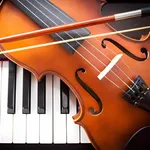
In this educational app, users can learn about the cello through tutorials, practice routines, and cultural content. Includes video tutorials, sheet music, and community features for interactive learning.
AppRecs review analysis
AppRecs rating 4.3. Trustworthiness 74 out of 100. Review manipulation risk 14 out of 100. Based on a review sample analyzed.
★★★★☆
4.3
AppRecs Rating
Ratings breakdown
5 star
75%
4 star
6%
3 star
6%
2 star
6%
1 star
6%
What to know
✓
Low review manipulation risk
14% review manipulation risk
✓
Credible reviews
74% trustworthiness score from analyzed reviews
✓
High user satisfaction
81% of sampled ratings are 4+ stars (4.3★ average)
About Cello Instrument
Beginner's Guide:
"Introduction to the Cello" – A comprehensive guide for beginners, covering the parts of the cello, how to hold the instrument, and basic playing techniques.
Video Tutorials:
Series of video tutorials for fundamental cello techniques, such as bowing, fingering, and producing different tones.
"Cello Maintenance Tips" – Videos demonstrating how to care for and maintain the cello.
Sheet Music Library:
A collection of sheet music for various skill levels, from beginner to advanced. Include classical pieces, popular songs, and exercises.
Practice Exercises:
Daily practice routines designed for cello players at different levels, focusing on improving technique, intonation, and musicality.
Repertoire Suggestions:
Curated lists of cello repertoire for different occasions or moods, such as calming pieces, energetic compositions, or pieces suitable for events like weddings.
Performance Tips:
Articles or videos offering advice on stage presence, managing performance anxiety, and connecting with the audience.
Cello History and Culture:
Educational content on the history and cultural significance of the cello, including profiles of famous cellists and their contributions.
Interviews and Features:
Conduct interviews with renowned cellists, composers, and educators to share their insights, experiences, and tips with the app's users.
Interactive Learning Games:
Incorporate gamified elements to make learning more engaging. This could include quizzes, interactive lessons, and challenges.
Community and Social Features:
Create a space for users to connect, share their progress, and seek advice from fellow cello enthusiasts. Feature user-generated content and success stories.
Cello Technique Demos:
Break down advanced cello techniques into step-by-step demonstrations, providing users with a visual guide for mastering challenging passages.
Collaborative Playing:
Enable users to collaborate with each other in virtual ensemble settings, allowing them to play together and share their performances.
Cello Maintenance Guide:
Detailed guides on how to clean, restring, and care for the cello to ensure its longevity and optimal performance.
The cello is also commonly referred to by its full name, violoncello, or simply as the "cello." The term "violoncello" is of Italian origin and is a combination of "violin" (small) and "cello" (big), indicating that it is a larger, lower-pitched instrument compared to the violin.
In informal settings or conversations, musicians might simply use the term "cello" to refer to the instrument. Additionally, colloquial terms like "cello" or "the big fiddle" are sometimes used, especially in non-formal contexts. However, "violoncello" or "cello" are the most widely accepted and recognized names for this string instrument.
"Introduction to the Cello" – A comprehensive guide for beginners, covering the parts of the cello, how to hold the instrument, and basic playing techniques.
Video Tutorials:
Series of video tutorials for fundamental cello techniques, such as bowing, fingering, and producing different tones.
"Cello Maintenance Tips" – Videos demonstrating how to care for and maintain the cello.
Sheet Music Library:
A collection of sheet music for various skill levels, from beginner to advanced. Include classical pieces, popular songs, and exercises.
Practice Exercises:
Daily practice routines designed for cello players at different levels, focusing on improving technique, intonation, and musicality.
Repertoire Suggestions:
Curated lists of cello repertoire for different occasions or moods, such as calming pieces, energetic compositions, or pieces suitable for events like weddings.
Performance Tips:
Articles or videos offering advice on stage presence, managing performance anxiety, and connecting with the audience.
Cello History and Culture:
Educational content on the history and cultural significance of the cello, including profiles of famous cellists and their contributions.
Interviews and Features:
Conduct interviews with renowned cellists, composers, and educators to share their insights, experiences, and tips with the app's users.
Interactive Learning Games:
Incorporate gamified elements to make learning more engaging. This could include quizzes, interactive lessons, and challenges.
Community and Social Features:
Create a space for users to connect, share their progress, and seek advice from fellow cello enthusiasts. Feature user-generated content and success stories.
Cello Technique Demos:
Break down advanced cello techniques into step-by-step demonstrations, providing users with a visual guide for mastering challenging passages.
Collaborative Playing:
Enable users to collaborate with each other in virtual ensemble settings, allowing them to play together and share their performances.
Cello Maintenance Guide:
Detailed guides on how to clean, restring, and care for the cello to ensure its longevity and optimal performance.
The cello is also commonly referred to by its full name, violoncello, or simply as the "cello." The term "violoncello" is of Italian origin and is a combination of "violin" (small) and "cello" (big), indicating that it is a larger, lower-pitched instrument compared to the violin.
In informal settings or conversations, musicians might simply use the term "cello" to refer to the instrument. Additionally, colloquial terms like "cello" or "the big fiddle" are sometimes used, especially in non-formal contexts. However, "violoncello" or "cello" are the most widely accepted and recognized names for this string instrument.
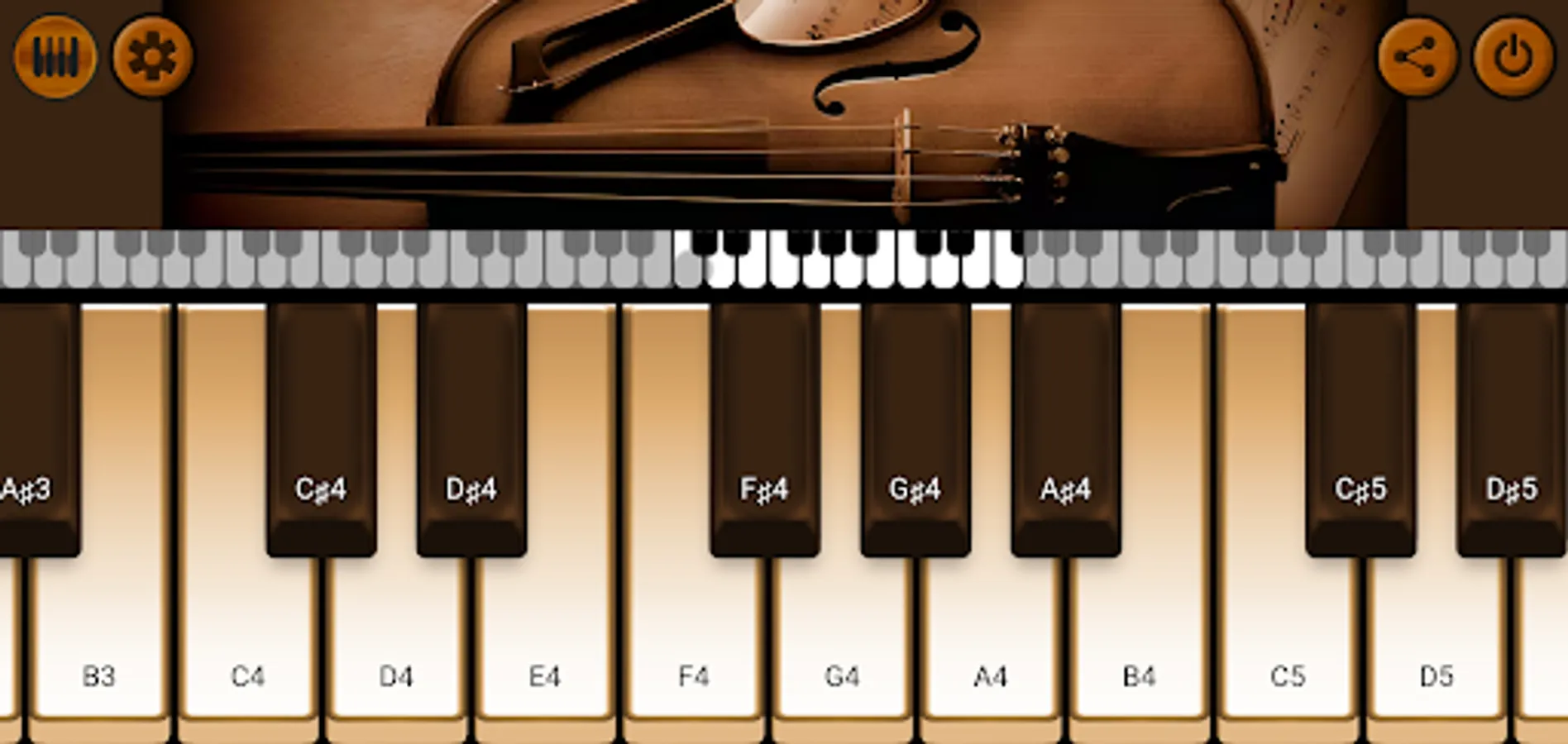
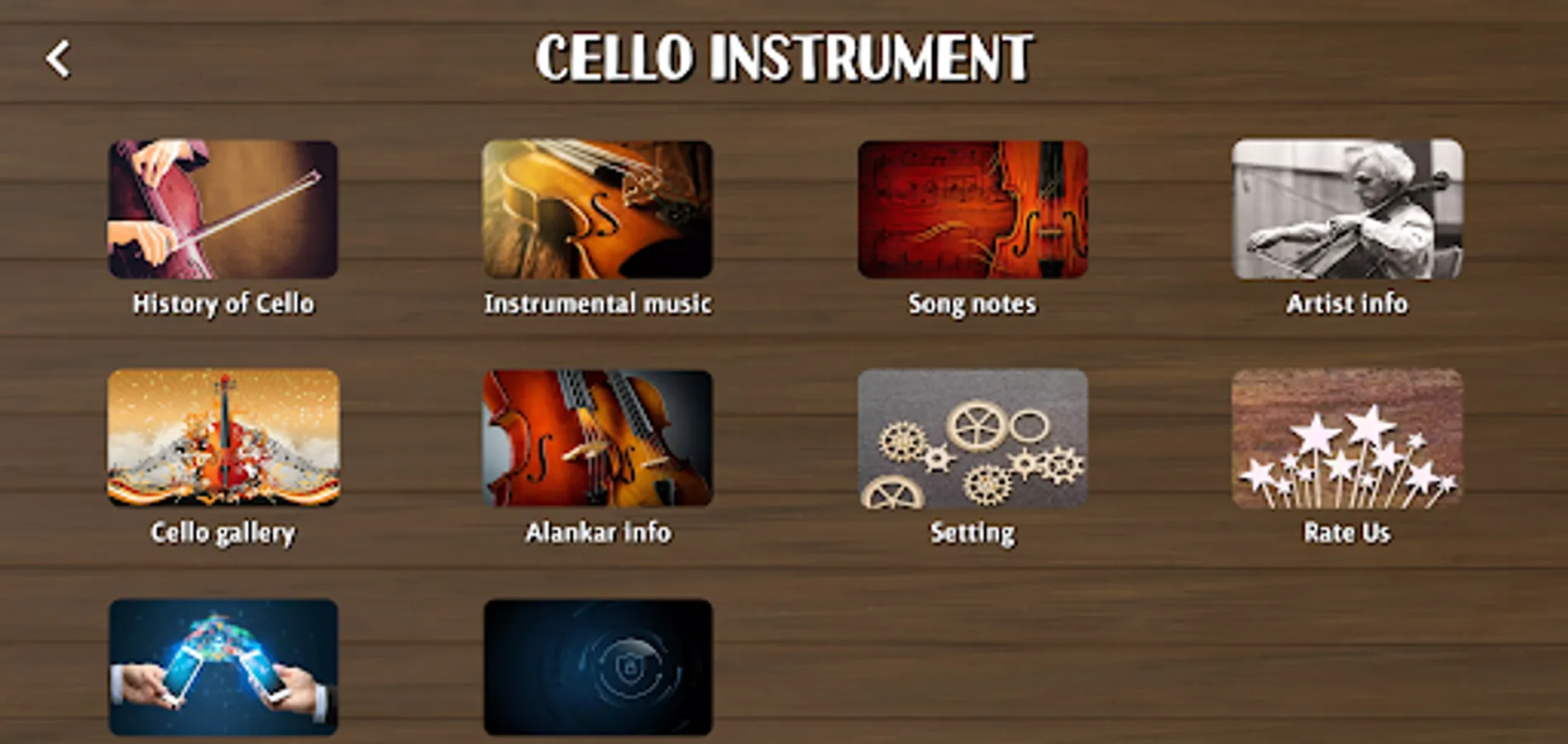
Cello Instrument Screenshots
Tap to Rate:
Reviews for Cello Instrument
Christine Cameron
7/27/2025
excellent sound... very realistic
Василь Воронцов-Рощин
3/1/2024
Overwhelming quantity of ads