About HeartBeat
The most common form of cardiac rhythm disturbance, leading to disability in the older age group, is atrial fibrillation, and transient extrasystole detected at a young age is considered by some authors as a prelude to its occurrence. And about one-fifth of all cases of ischemic stroke are caused by atrial fibrillation. In about 40% of cases, the cause of stroke remains unclear, despite careful diagnostic work, even if there are strong reasons to suspect the cardiogenic nature of such a cryptogenic stroke *.
In approximately 50% of cases, the diagnosis of paroxysmal atrial fibrillation in a particular patient cannot be confirmed using traditional diagnostic methods. Although, unlike a conventional ECG, Holter 24-hour monitoring doubles and increases the frequency of detecting paroxysmal atrial fibrillation, compared with 7-day ECG monitoring, approximately 30% of cases are missed and not diagnosed. On the other hand, limited time and material resources do not allow long-term ECG monitoring for all patients who have had a cryptogenic stroke in order to detect direct - cardiac - signs of atrial fibrillation.
Electrical and contractile atrial remodeling, induced by previous short-term paroxysms of atrial fibrillation, lead to a change in the electrophysiological characteristics of the atrial excitation process. Accordingly, the consequences of these processes may be reflected in the characteristics of sinus rhythm in the interictal period. This phenomenon can be manifested by altered dynamics of the RR intervals on the electrocardiogram in response to some typical situations of an everyday or stressful nature. On the other hand, asymptomatic forms of paroxysmal atrial fibrillation often manifest as nonspecific non-cardiac manifestations, such as unreasonable weakness, dizziness, headache and / or precordial discomfort, arising both spontaneously and induced by any conditions. Registration of cardiac activity in such situations can significantly increase the diagnostic sensitivity of traditional ECG diagnostic methods. The only problem is to register the activity of the heart precisely at such moments of the patient's life.
The proposed wearable device is designed to solve this problem.
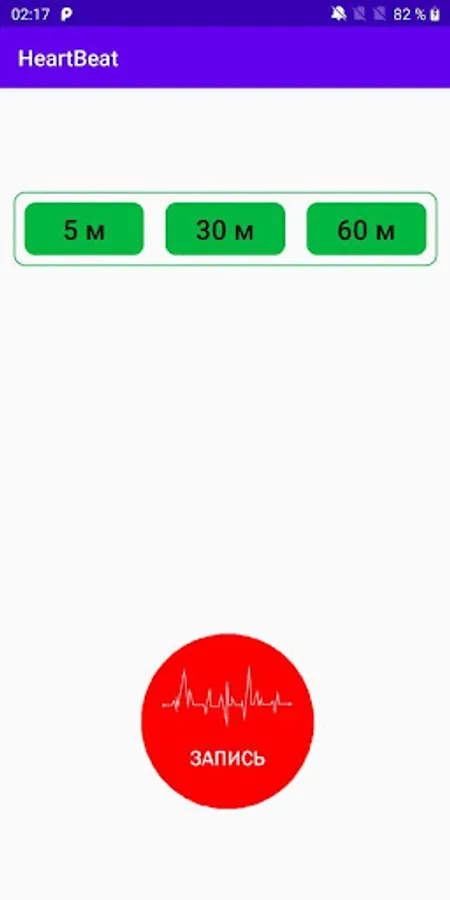
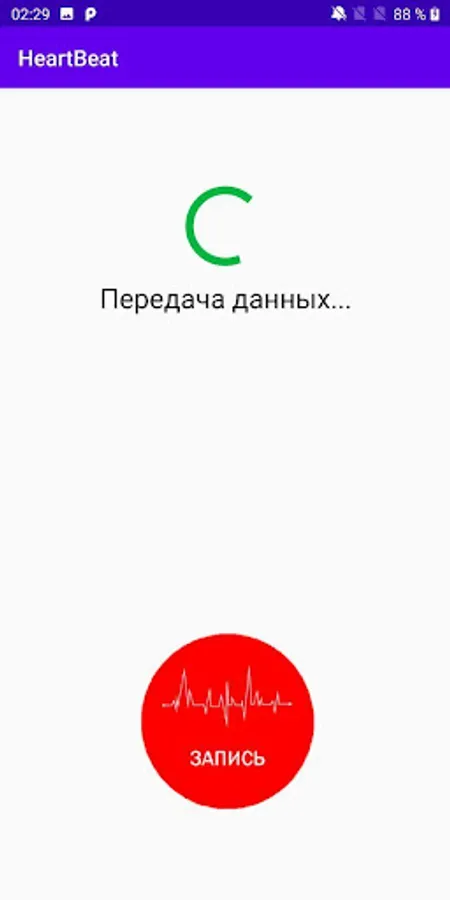
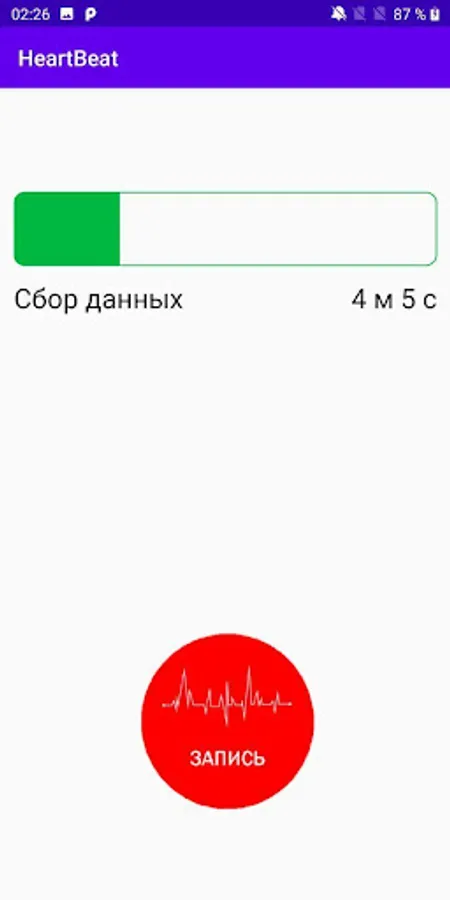
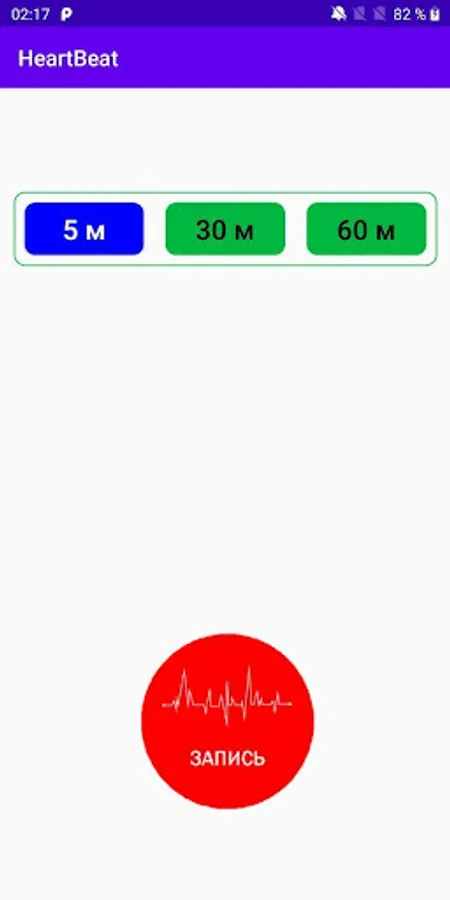
The miniature patient-friendly electrocardiograph, independently installed by the patient and activated in a situation previously agreed with the doctor, with the help of a mobile phone, actually turns into a specialized cardiac telemetry complex POLISPEKTR-SCTM, which records and transfers the current ECG to a specialized data storage exactly at the time when it is needed, simultaneously informing the doctor about the occurrence of an alarming situation.
In contrast to existing telemedicine systems, which involve calling medical personnel to the patient, placing electrodes by a trained nurse on the patient's torso in designated places, calling the operator of the receiving station, establishing communication with the attending physician, transferring an ECG and absentee consultation with the subsequent transfer of verbal instructions to medical personnel on the spot , the proposed solution significantly simplifies the procedure for obtaining diagnostically significant information, minimizes inconveniences for both the patient and the attending physician, and maximizes the promptness of making an adequate decision. This approach, applied primarily to stroke patients, in combination with adequate ECG analysis, provides identification of patients with an increased likelihood of developing paroxysmal atrial fibrillation, ensures timely prescription of appropriate preventive therapy, and significantly reduces the risk of recurrent stroke.
In approximately 50% of cases, the diagnosis of paroxysmal atrial fibrillation in a particular patient cannot be confirmed using traditional diagnostic methods. Although, unlike a conventional ECG, Holter 24-hour monitoring doubles and increases the frequency of detecting paroxysmal atrial fibrillation, compared with 7-day ECG monitoring, approximately 30% of cases are missed and not diagnosed. On the other hand, limited time and material resources do not allow long-term ECG monitoring for all patients who have had a cryptogenic stroke in order to detect direct - cardiac - signs of atrial fibrillation.
Electrical and contractile atrial remodeling, induced by previous short-term paroxysms of atrial fibrillation, lead to a change in the electrophysiological characteristics of the atrial excitation process. Accordingly, the consequences of these processes may be reflected in the characteristics of sinus rhythm in the interictal period. This phenomenon can be manifested by altered dynamics of the RR intervals on the electrocardiogram in response to some typical situations of an everyday or stressful nature. On the other hand, asymptomatic forms of paroxysmal atrial fibrillation often manifest as nonspecific non-cardiac manifestations, such as unreasonable weakness, dizziness, headache and / or precordial discomfort, arising both spontaneously and induced by any conditions. Registration of cardiac activity in such situations can significantly increase the diagnostic sensitivity of traditional ECG diagnostic methods. The only problem is to register the activity of the heart precisely at such moments of the patient's life.
The proposed wearable device is designed to solve this problem.
The miniature patient-friendly electrocardiograph, independently installed by the patient and activated in a situation previously agreed with the doctor, with the help of a mobile phone, actually turns into a specialized cardiac telemetry complex POLISPEKTR-SCTM, which records and transfers the current ECG to a specialized data storage exactly at the time when it is needed, simultaneously informing the doctor about the occurrence of an alarming situation.
In contrast to existing telemedicine systems, which involve calling medical personnel to the patient, placing electrodes by a trained nurse on the patient's torso in designated places, calling the operator of the receiving station, establishing communication with the attending physician, transferring an ECG and absentee consultation with the subsequent transfer of verbal instructions to medical personnel on the spot , the proposed solution significantly simplifies the procedure for obtaining diagnostically significant information, minimizes inconveniences for both the patient and the attending physician, and maximizes the promptness of making an adequate decision. This approach, applied primarily to stroke patients, in combination with adequate ECG analysis, provides identification of patients with an increased likelihood of developing paroxysmal atrial fibrillation, ensures timely prescription of appropriate preventive therapy, and significantly reduces the risk of recurrent stroke.