About Jogo do Conflito
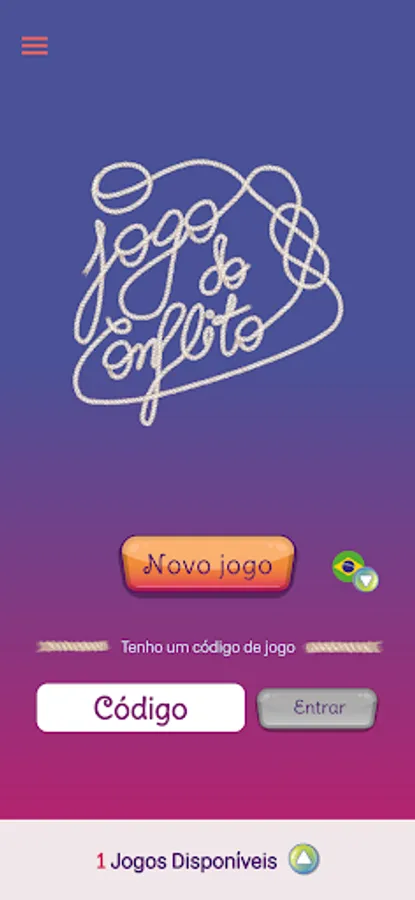
The Conflict Game is a playful experience about how we express ourselves, listen and live together in the face of differences.
Inspired by Nonviolent Communication (NVC), the game invites you to talk about deep topics — such as justice, freedom, politics, relationships, food and spirituality — playing secret characters that represent real communication styles.
You will be challenged to position yourself according to your archetype, without revealing who you are, and to carefully observe the style of the other players.
More than winning, the goal is to get to know yourself, listen more actively and allow yourself to see through different points of view — including your own.
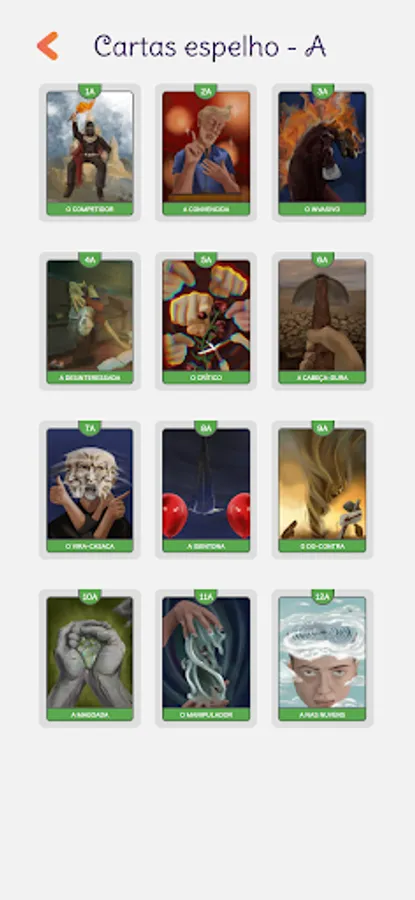
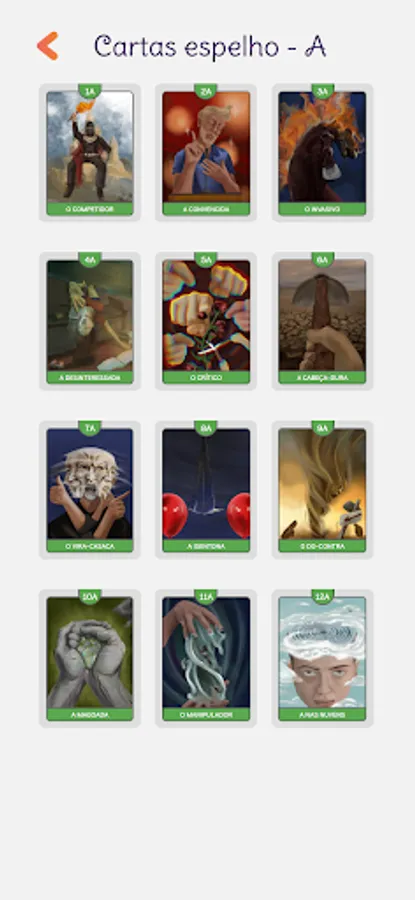
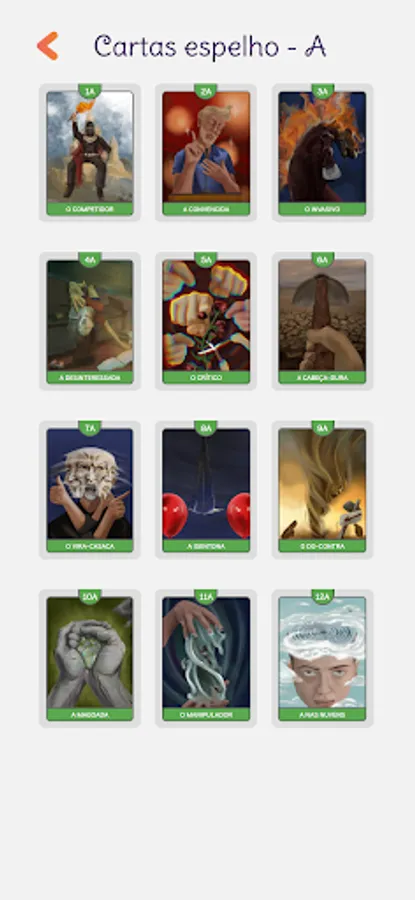
In the Conflict Game, each player receives a secret archetype — a type of character that represents a specific way of communicating in conflict situations. These archetypes are based on real and varied behaviors, such as avoiding confrontation, trying to convince, being too accepting, imposing ideas or changing your mind easily.
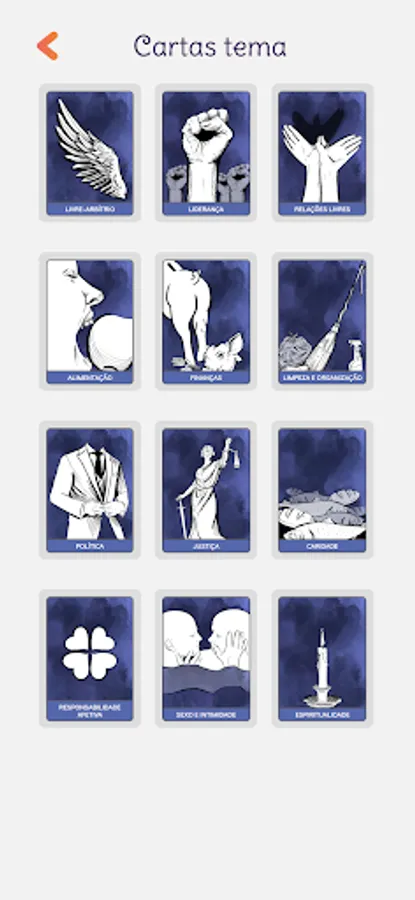
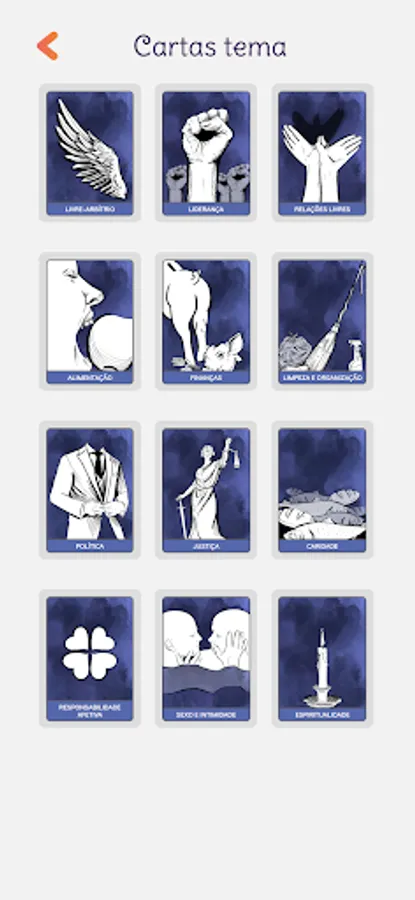
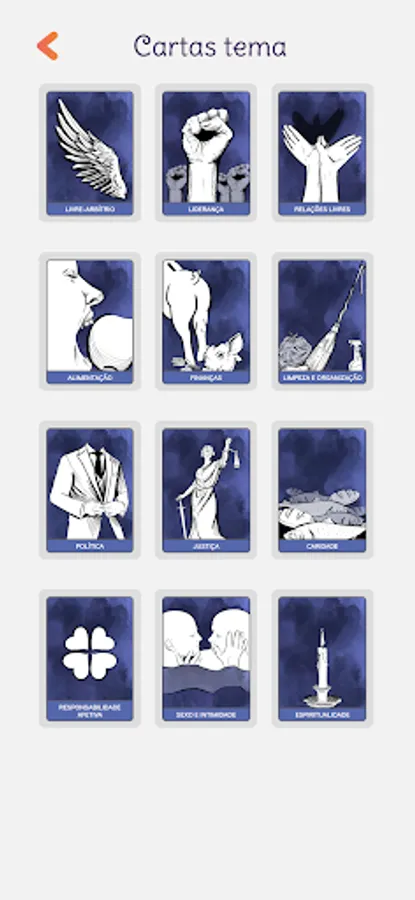
In each round, the group receives a theme card, with topics that provoke reflection, such as Justice, Free Relationships, Finances or Spirituality. From there, the players must talk freely about the topic, but always expressing themselves according to the strategies of their archetype. The challenge is to remain faithful to your character without being discovered — and, at the same time, carefully observe the other participants, trying to guess which archetype they are representing. At the end of the round, everyone tries to identify the roles of their colleagues. The scoring is light and symbolic, valuing both coherence in acting and perception of other people's styles. More than getting it right or winning, the game proposes a immersion in dialogue: listening more closely, recognizing patterns of behavior and practicing empathy when faced with the discomfort of thinking differently — including from oneself. This application was developed with resources from the Paulo Gustavo Law, through the Secretariat of Culture of Espírito Santo, with support from the Federal Government.
Inspired by Nonviolent Communication (NVC), the game invites you to talk about deep topics — such as justice, freedom, politics, relationships, food and spirituality — playing secret characters that represent real communication styles.
You will be challenged to position yourself according to your archetype, without revealing who you are, and to carefully observe the style of the other players.
More than winning, the goal is to get to know yourself, listen more actively and allow yourself to see through different points of view — including your own.
In the Conflict Game, each player receives a secret archetype — a type of character that represents a specific way of communicating in conflict situations. These archetypes are based on real and varied behaviors, such as avoiding confrontation, trying to convince, being too accepting, imposing ideas or changing your mind easily.
In each round, the group receives a theme card, with topics that provoke reflection, such as Justice, Free Relationships, Finances or Spirituality. From there, the players must talk freely about the topic, but always expressing themselves according to the strategies of their archetype. The challenge is to remain faithful to your character without being discovered — and, at the same time, carefully observe the other participants, trying to guess which archetype they are representing. At the end of the round, everyone tries to identify the roles of their colleagues. The scoring is light and symbolic, valuing both coherence in acting and perception of other people's styles. More than getting it right or winning, the game proposes a immersion in dialogue: listening more closely, recognizing patterns of behavior and practicing empathy when faced with the discomfort of thinking differently — including from oneself. This application was developed with resources from the Paulo Gustavo Law, through the Secretariat of Culture of Espírito Santo, with support from the Federal Government.