About Go Track
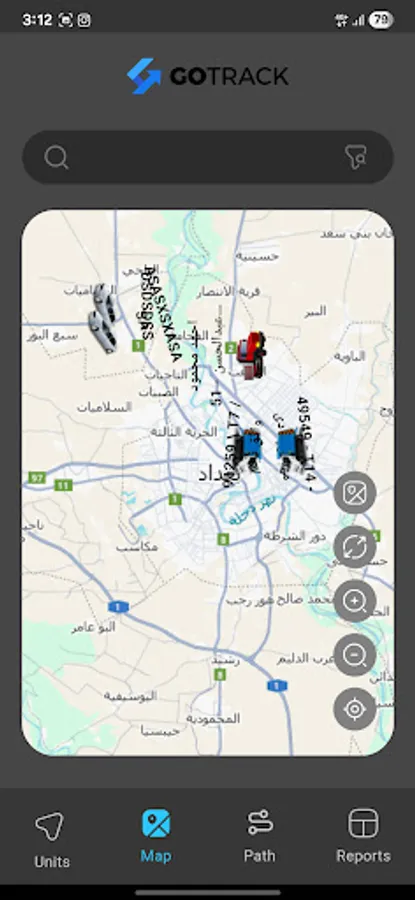
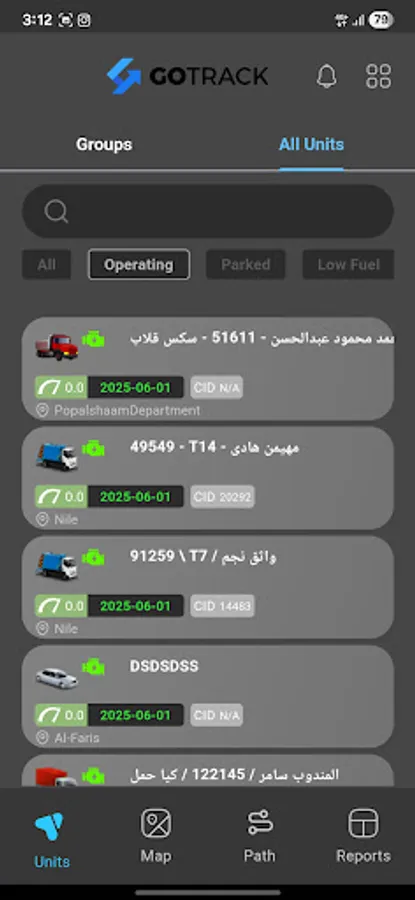
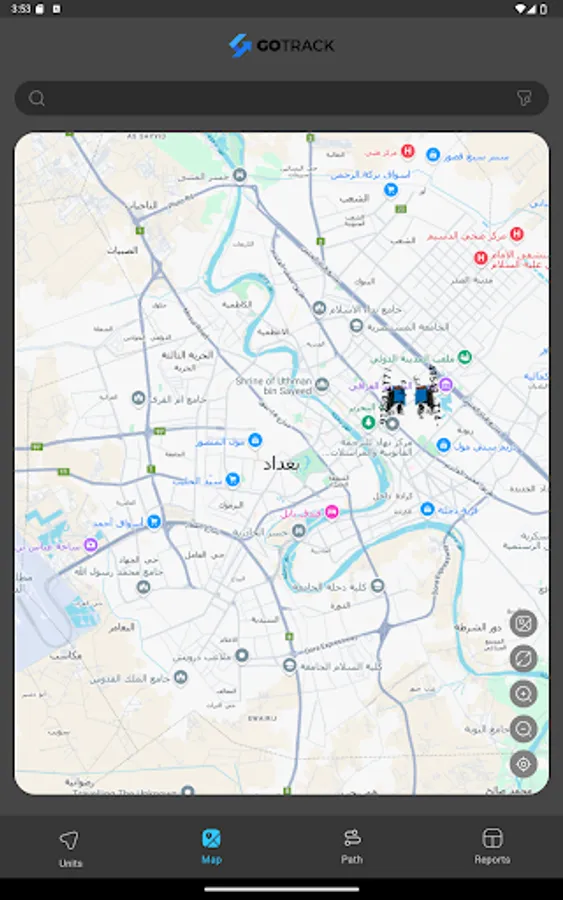
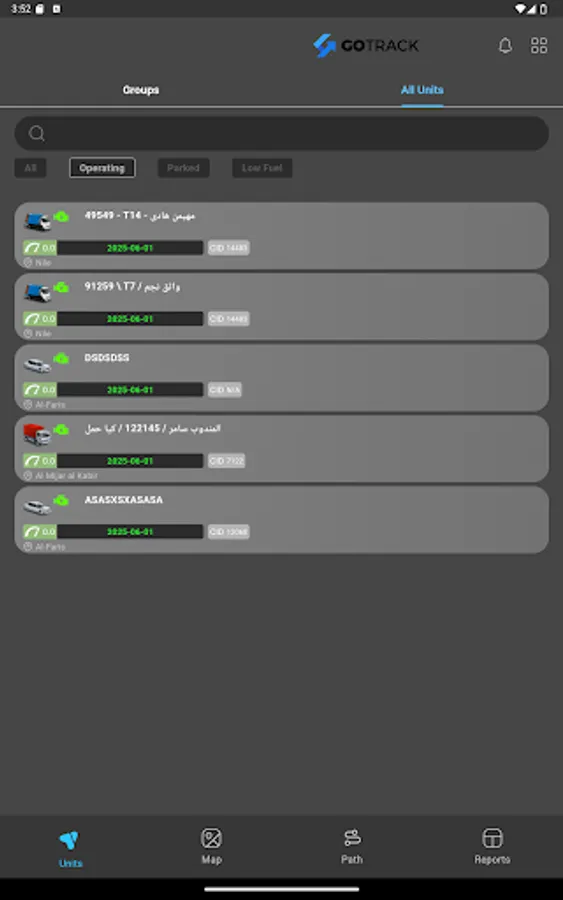
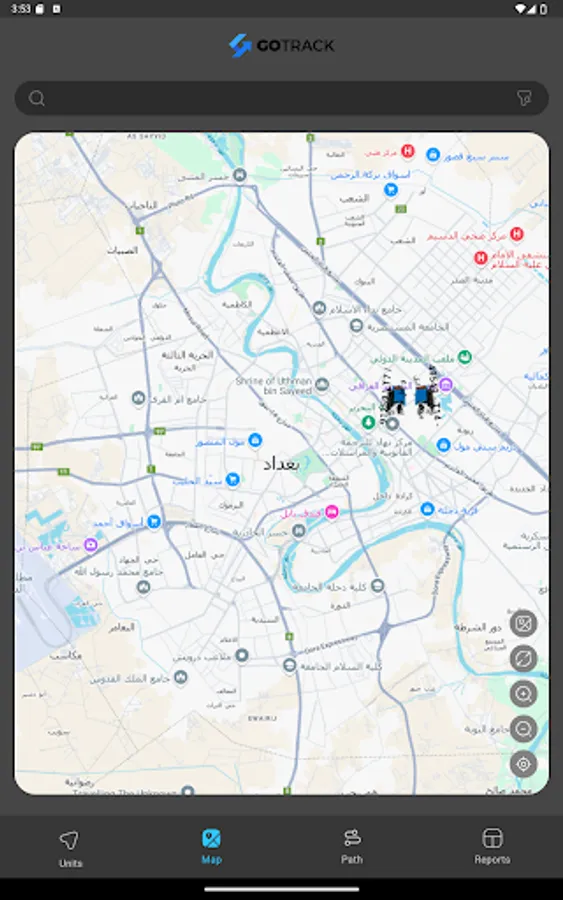
Tracking units are essential tools used to monitor the real-time location, movement, and condition of various assets, vehicles, or individuals. These units typically rely on technologies such as GPS (Global Positioning System), GSM (Global System for Mobile Communications), and sometimes even satellite or radio frequency (RF) to collect and transmit data. The core function of a tracking unit is to provide accurate, up-to-date information that helps businesses and individuals enhance security, optimize operations, and increase efficiency.
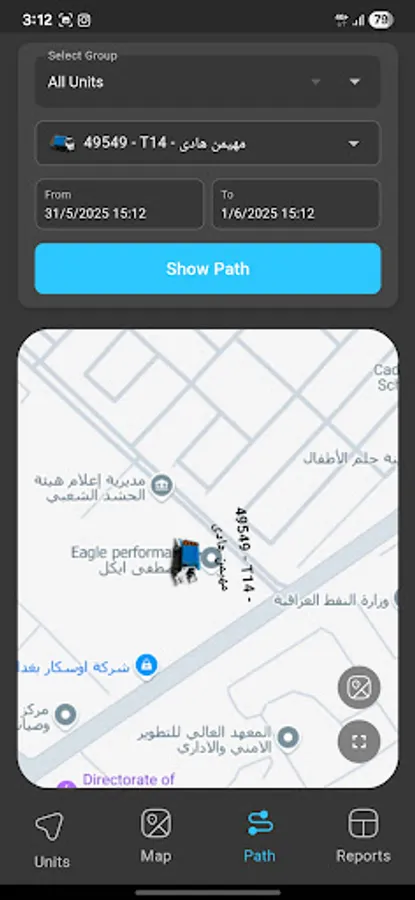
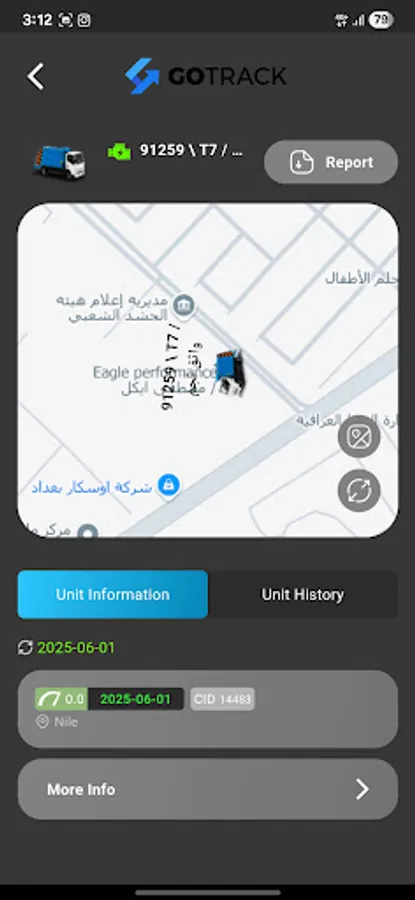
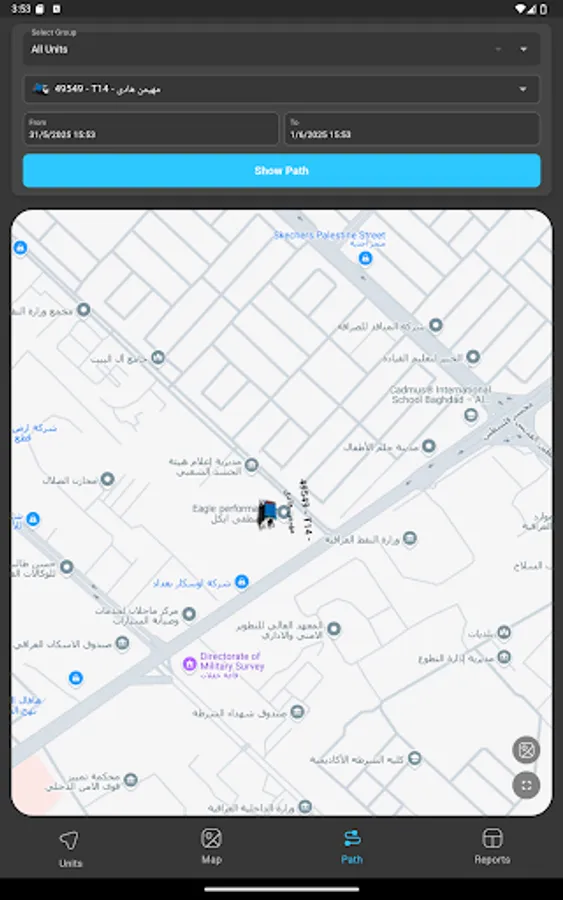
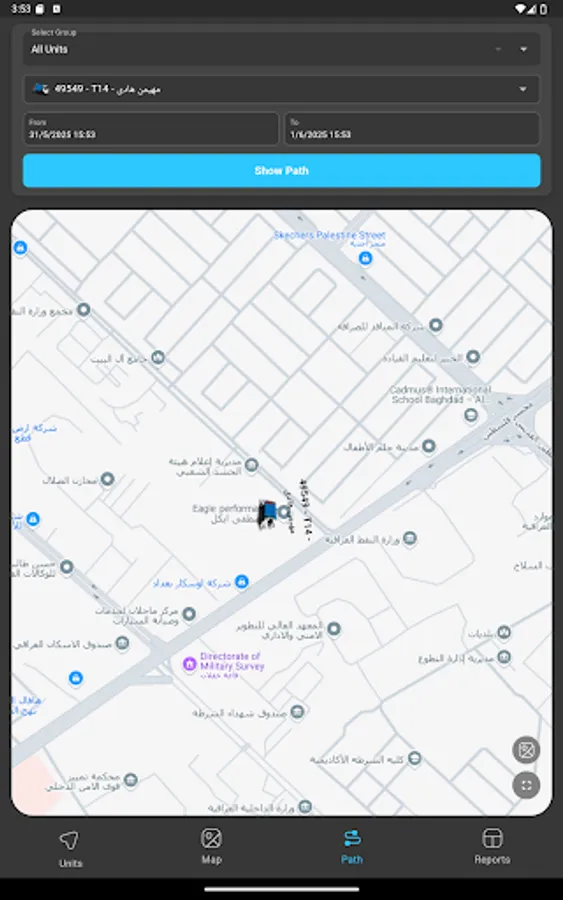
In the transportation and logistics industry, tracking units are widely used in fleet management systems. Companies install these devices in their vehicles to monitor routes, delivery times, driver behavior, fuel usage, and maintenance schedules. This level of insight allows managers to reduce costs, improve safety, and ensure timely deliveries. For example, if a delivery truck goes off route or is delayed, the tracking system will notify the control center, allowing quick response and adjustments.
Tracking units are also crucial in personal and asset security. Personal tracking devices, often used by parents, hikers, or elderly caregivers, allow real-time monitoring of an individual’s location. Similarly, high-value assets like construction equipment, cargo containers, and even pets can be fitted with tracking devices to prevent loss or theft. In the case of stolen property, a tracking unit significantly increases the chances of recovery by law enforcement.
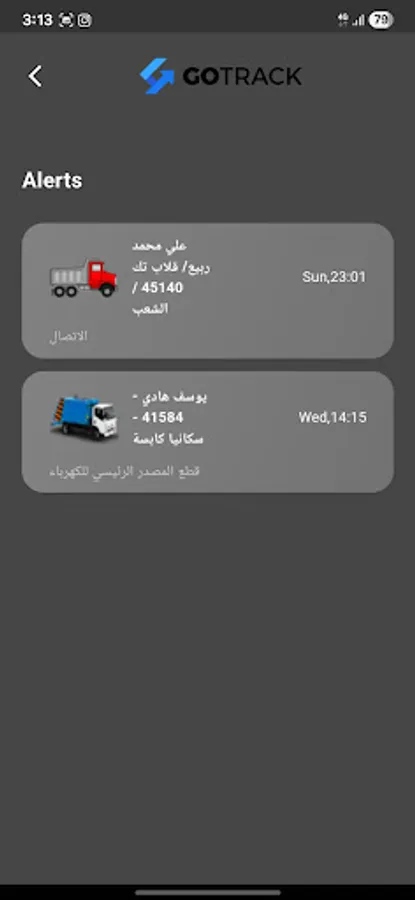
Modern tracking units often come equipped with additional sensors and features such as temperature monitoring, motion detection, tamper alerts, and geofencing capabilities. These added functions make them ideal for sensitive cargo like pharmaceuticals, perishable goods, or high-security environments.
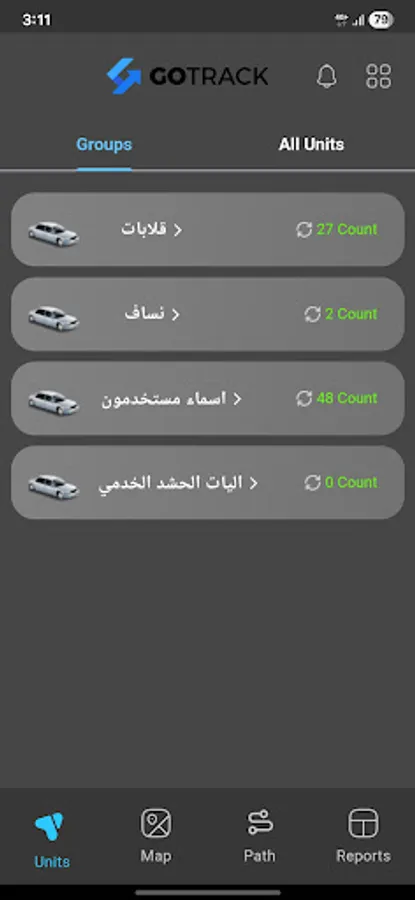
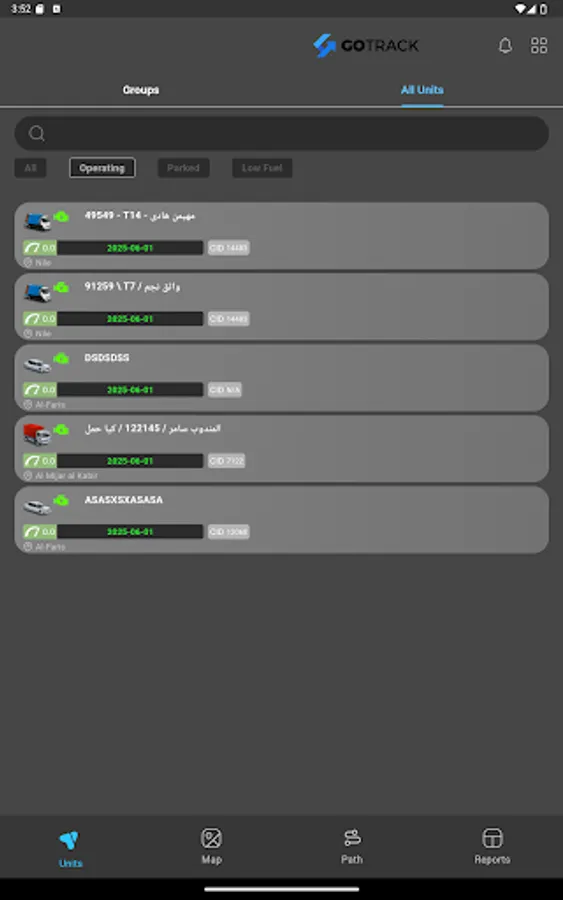
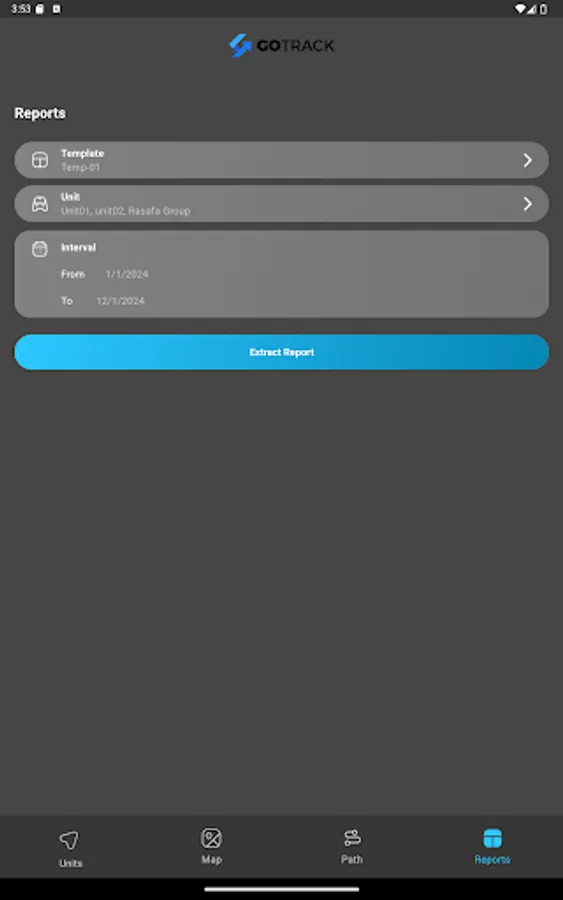
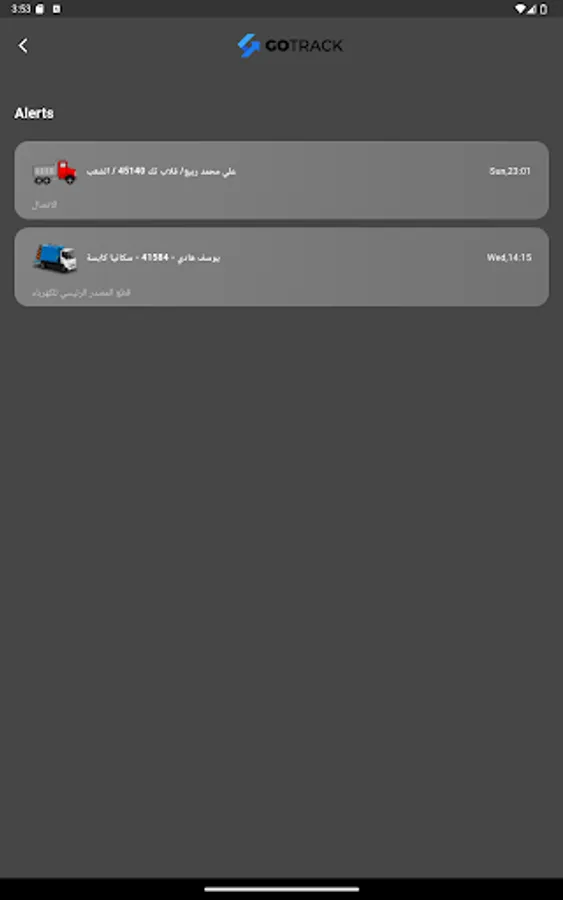
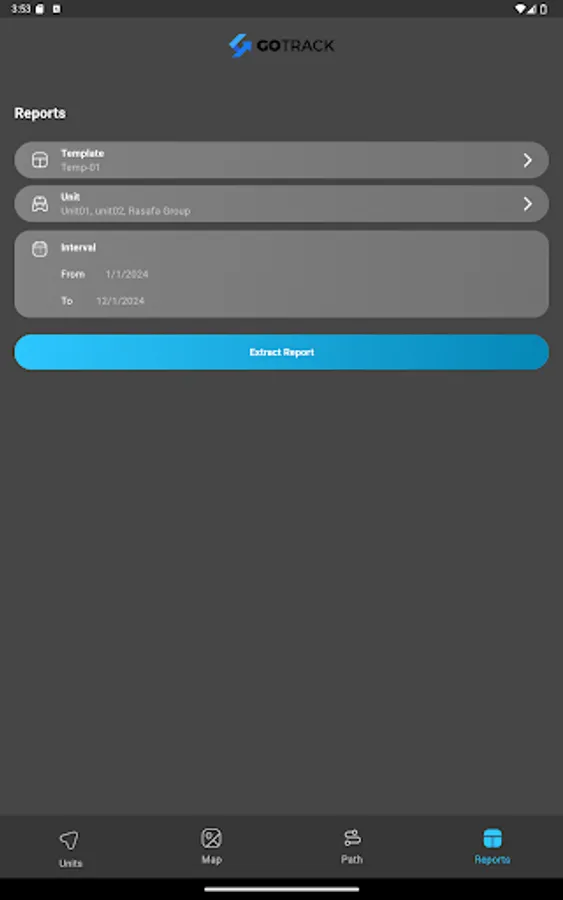
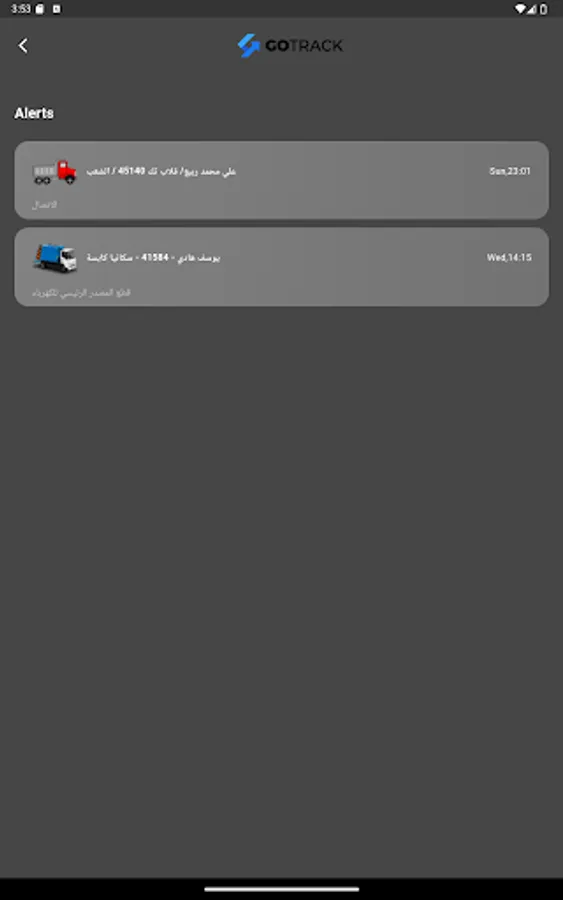
Data collected from tracking units is usually sent to a cloud-based platform or software dashboard where users can view detailed reports, generate alerts, and analyze performance trends. Integration with mobile apps and web interfaces ensures users have access to real-time information anytime, anywhere.
In summary, tracking units play a vital role in today’s connected world. Whether used for commercial, industrial, or personal purposes, they offer unmatched visibility and control over valuable assets and people. As technology advances, tracking units continue to become more compact, affordable, and feature-rich—making them an increasingly indispensable tool
In the transportation and logistics industry, tracking units are widely used in fleet management systems. Companies install these devices in their vehicles to monitor routes, delivery times, driver behavior, fuel usage, and maintenance schedules. This level of insight allows managers to reduce costs, improve safety, and ensure timely deliveries. For example, if a delivery truck goes off route or is delayed, the tracking system will notify the control center, allowing quick response and adjustments.
Tracking units are also crucial in personal and asset security. Personal tracking devices, often used by parents, hikers, or elderly caregivers, allow real-time monitoring of an individual’s location. Similarly, high-value assets like construction equipment, cargo containers, and even pets can be fitted with tracking devices to prevent loss or theft. In the case of stolen property, a tracking unit significantly increases the chances of recovery by law enforcement.
Modern tracking units often come equipped with additional sensors and features such as temperature monitoring, motion detection, tamper alerts, and geofencing capabilities. These added functions make them ideal for sensitive cargo like pharmaceuticals, perishable goods, or high-security environments.
Data collected from tracking units is usually sent to a cloud-based platform or software dashboard where users can view detailed reports, generate alerts, and analyze performance trends. Integration with mobile apps and web interfaces ensures users have access to real-time information anytime, anywhere.
In summary, tracking units play a vital role in today’s connected world. Whether used for commercial, industrial, or personal purposes, they offer unmatched visibility and control over valuable assets and people. As technology advances, tracking units continue to become more compact, affordable, and feature-rich—making them an increasingly indispensable tool