シルバー産業新聞
Ractive Corp
50+
downloads
Free
+ in-app
About シルバー産業新聞
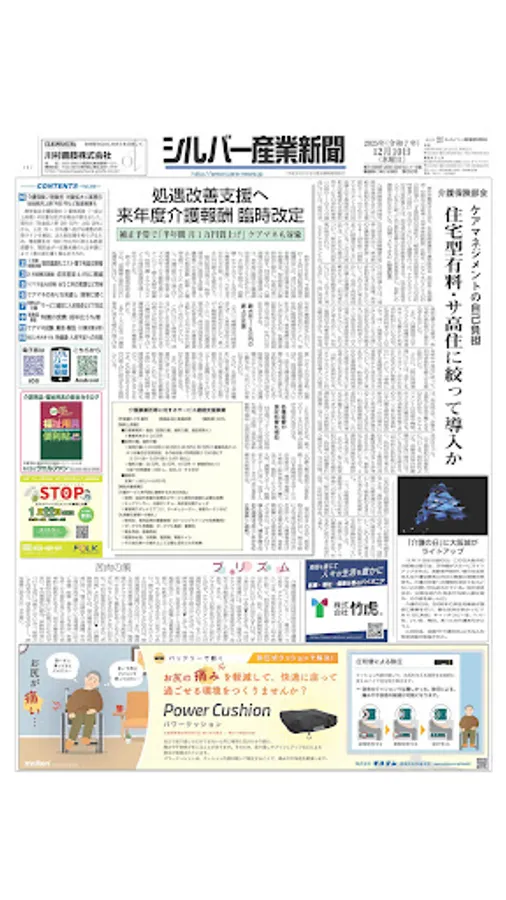
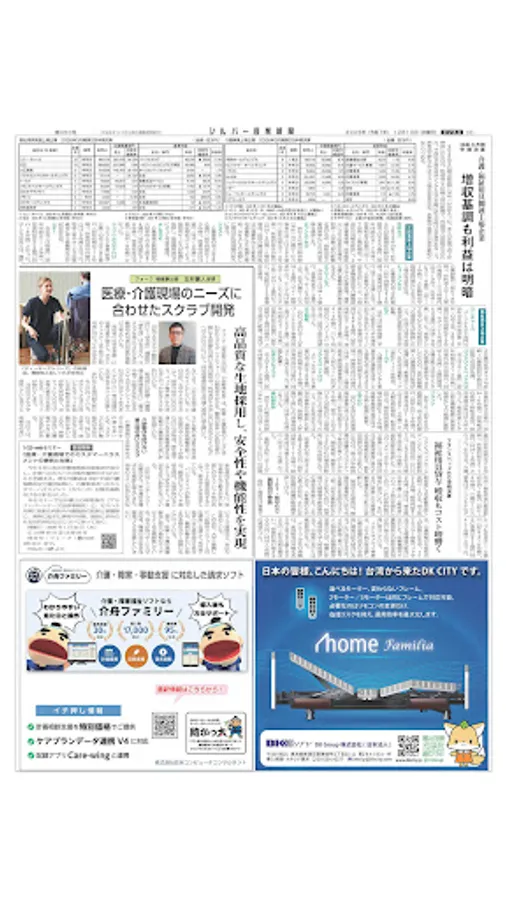
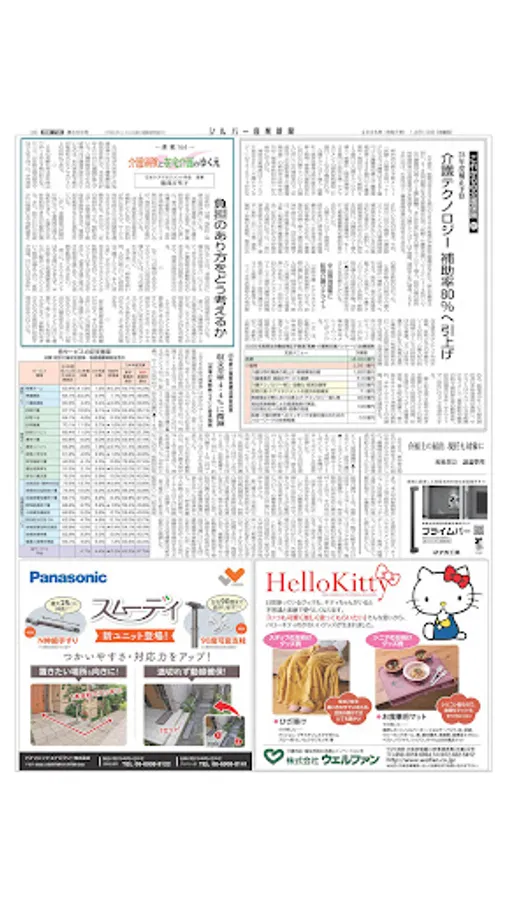
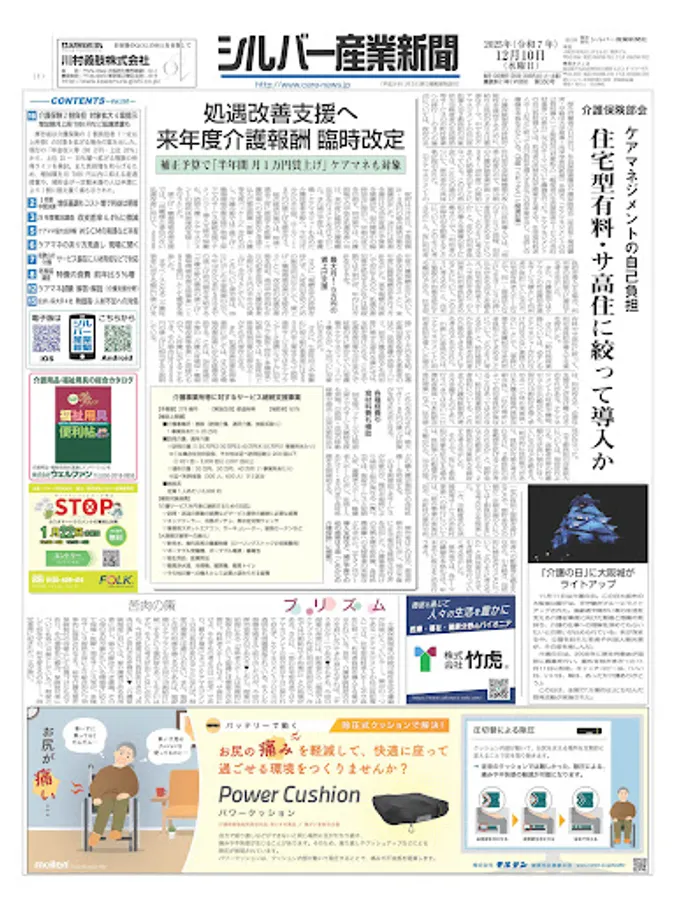
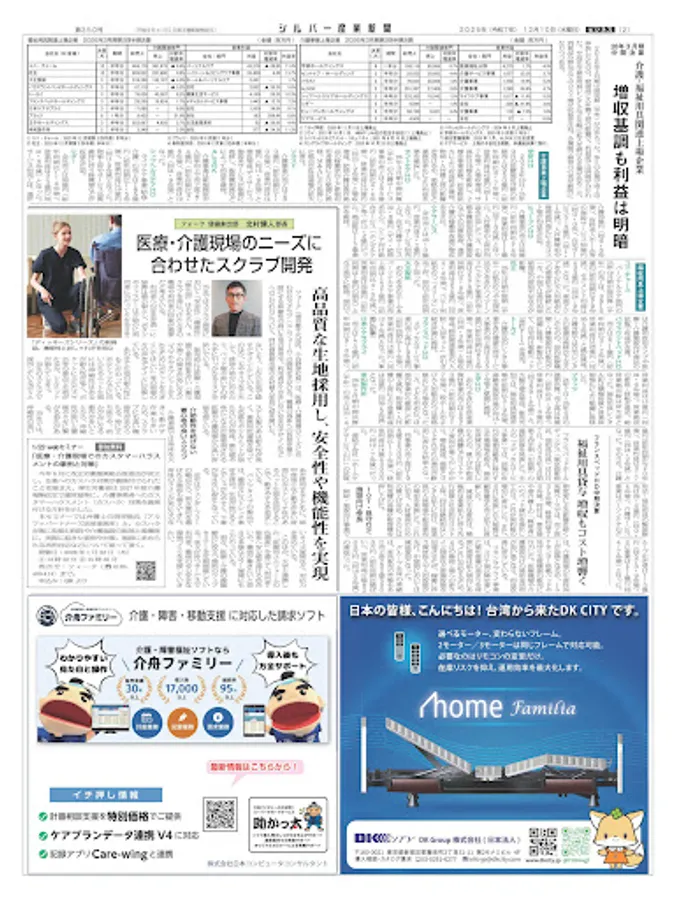
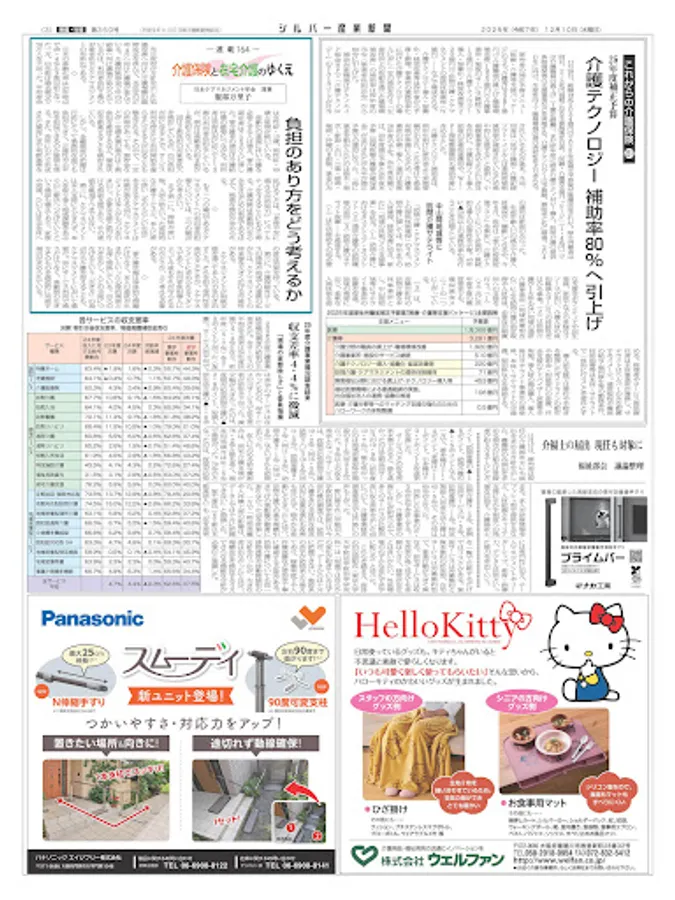
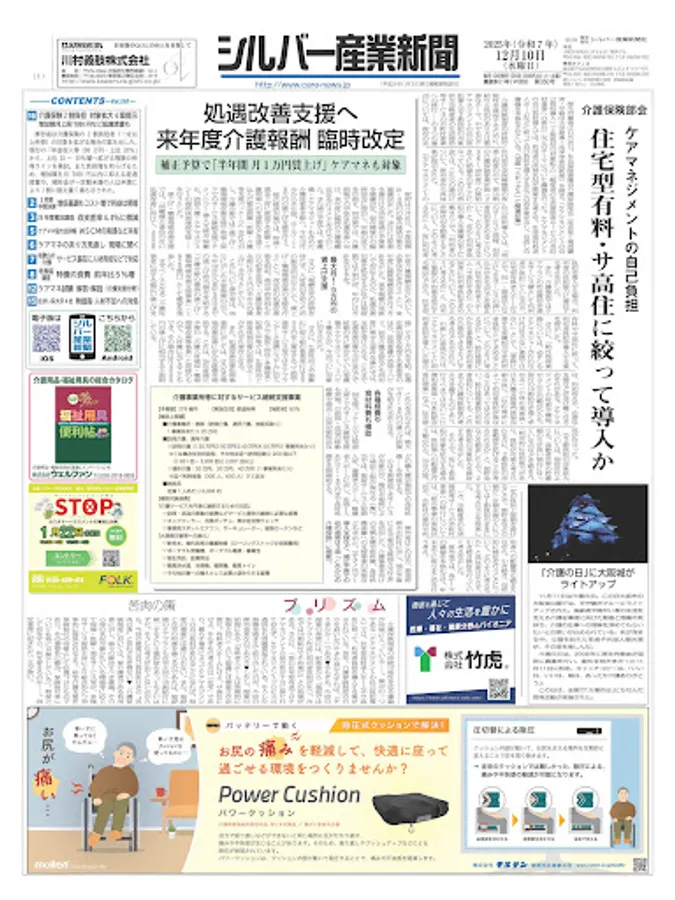
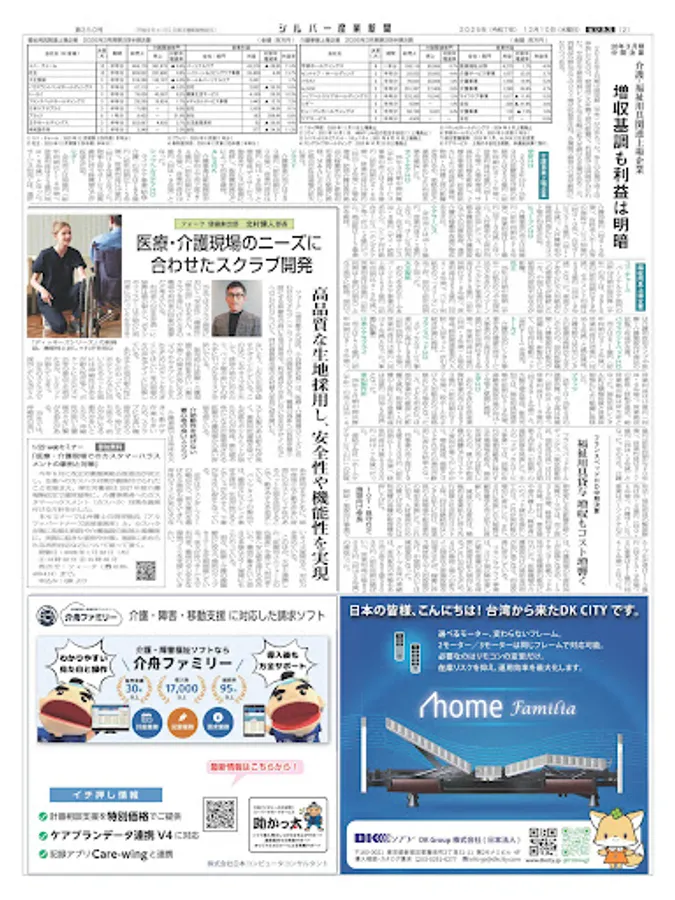
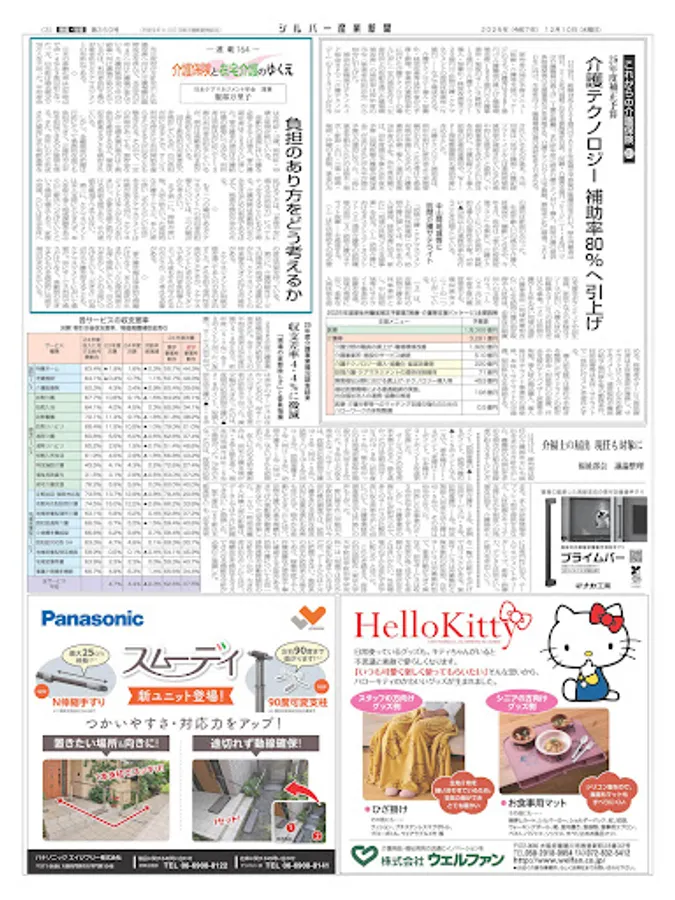
The Silver Sangyo Shimbun, a newspaper specializing in the industry that was first published in 1996 and has grown along with the long-term care insurance system, launched a digital distribution service in 2016 to coincide with its 20th anniversary.
The Silver Sangyo Shimbun connects the four pillars of nursing care business with information: "system," "market analysis," "region/site," and "welfare equipment/services," and provides easy-to-understand up-to-date information useful for business management and care practice.
In "System", we will quickly grasp the trend of various measures including not only nursing care insurance system but also medical care and disability in response to the accelerating aging of the population, and explain the services required in the community and nursing care site.
In addition, in "market analysis," we decipher the impact of system revisions and remuneration revisions based on nursing care benefit data, etc., and conduct analysis that compares it with the actual management situation through thorough "regional and on-site" interviews.
Furthermore, in order to solve problems such as a shortage of human resources and an overloaded workload in the nursing care industry, we will introduce a wide range of tools, equipment, and systems that are useful for daily nursing care.
The Silver Sangyo Shimbun connects the four pillars of nursing care business with information: "system," "market analysis," "region/site," and "welfare equipment/services," and provides easy-to-understand up-to-date information useful for business management and care practice.
In "System", we will quickly grasp the trend of various measures including not only nursing care insurance system but also medical care and disability in response to the accelerating aging of the population, and explain the services required in the community and nursing care site.
In addition, in "market analysis," we decipher the impact of system revisions and remuneration revisions based on nursing care benefit data, etc., and conduct analysis that compares it with the actual management situation through thorough "regional and on-site" interviews.
Furthermore, in order to solve problems such as a shortage of human resources and an overloaded workload in the nursing care industry, we will introduce a wide range of tools, equipment, and systems that are useful for daily nursing care.