
AppRecs review analysis
AppRecs rating 5.0. Trustworthiness 71 out of 100. Review manipulation risk 25 out of 100. Based on a review sample analyzed.
★★★★★
5.0
AppRecs Rating
Ratings breakdown
5 star
50%
4 star
50%
3 star
0%
2 star
0%
1 star
0%
What to know
✓
Low review manipulation risk
25% review manipulation risk
✓
Credible reviews
71% trustworthiness score from analyzed reviews
✓
High user satisfaction
100% of sampled ratings are 4+ stars (5.0★ average)
About AUMI
The Adaptive Use Musical Instruments software interface enables the user to play sounds and musical phrases through movement and gestures. This is an entry to improvisation rather than “hitting the right notes” or playing set pieces of music. Instead, the software uses music as a way for participants to express a range of affects, both by themselves and in response to, or in conversation with, others.
While the AUMI interface can be used by anyone, the focus has been on working with people who have profound physical disabilities. In taking these participants as its starting point, the project attempts to make musical improvisation and collaboration accessible to the widest possible range of individuals. This approach also opens up the possibility of learning more about the relations between ability, the body, creativity and improvisation, from within a cultural context that does not always acknowledge or accept people with disabilities.
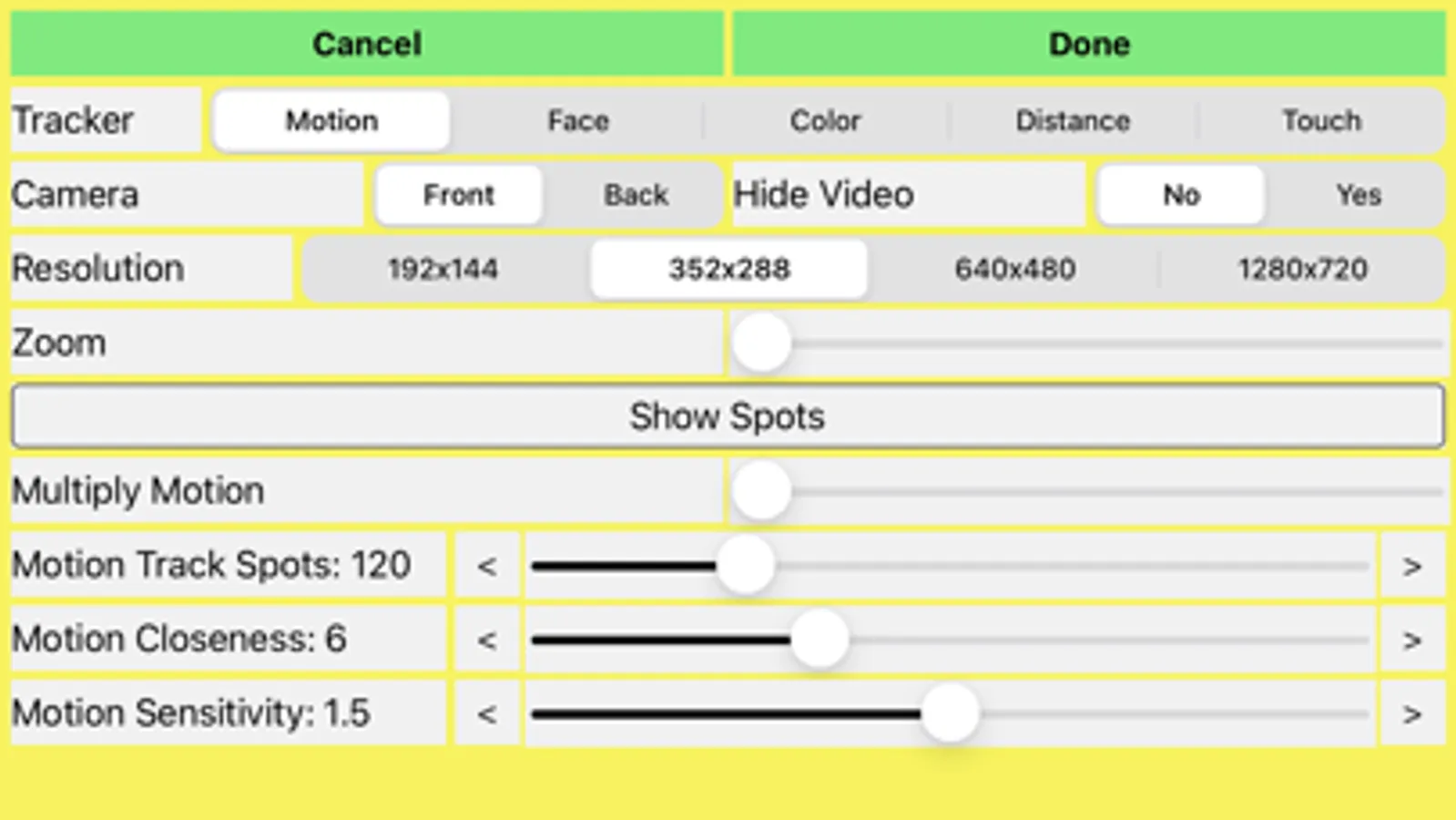
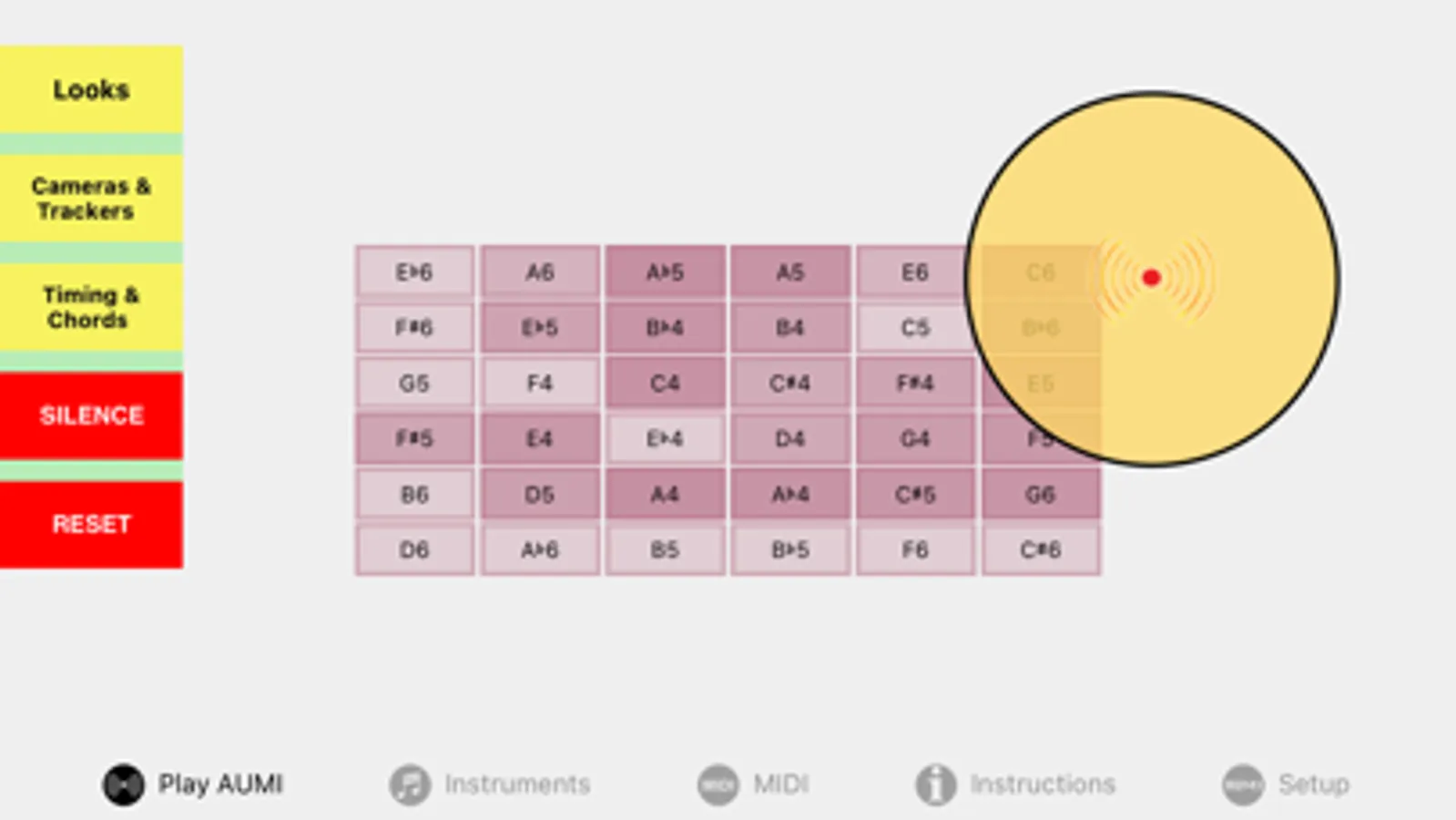
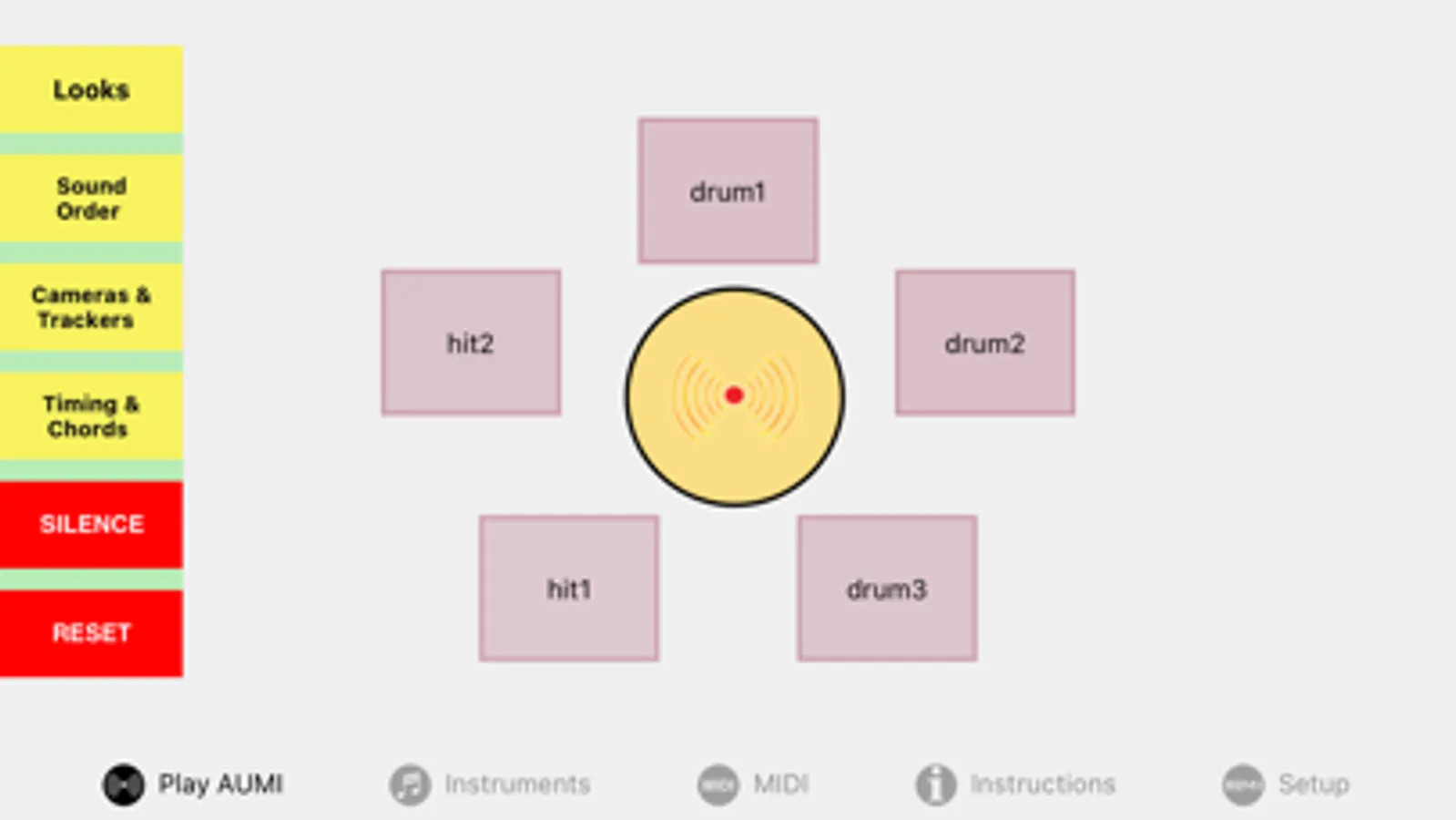
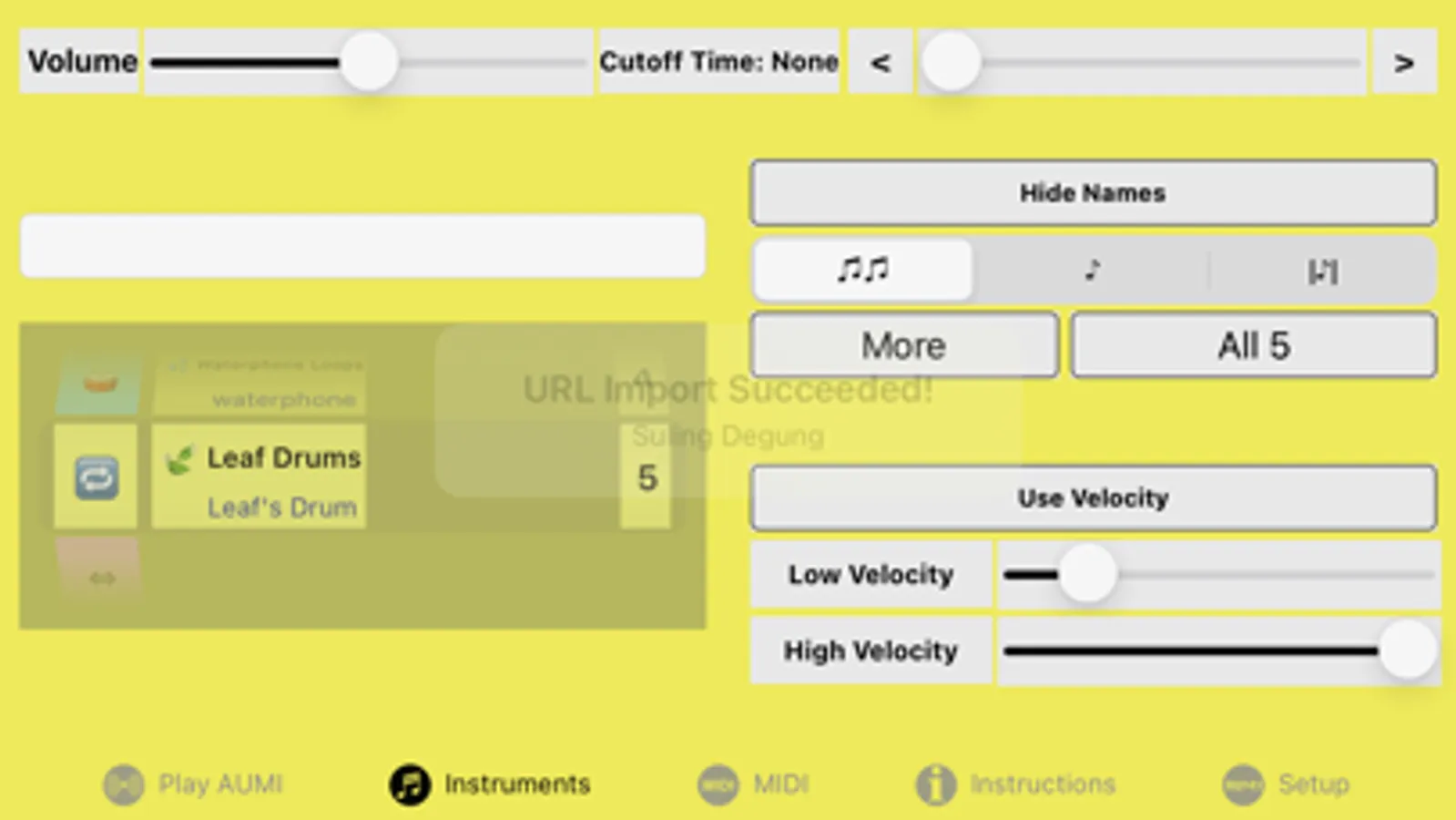
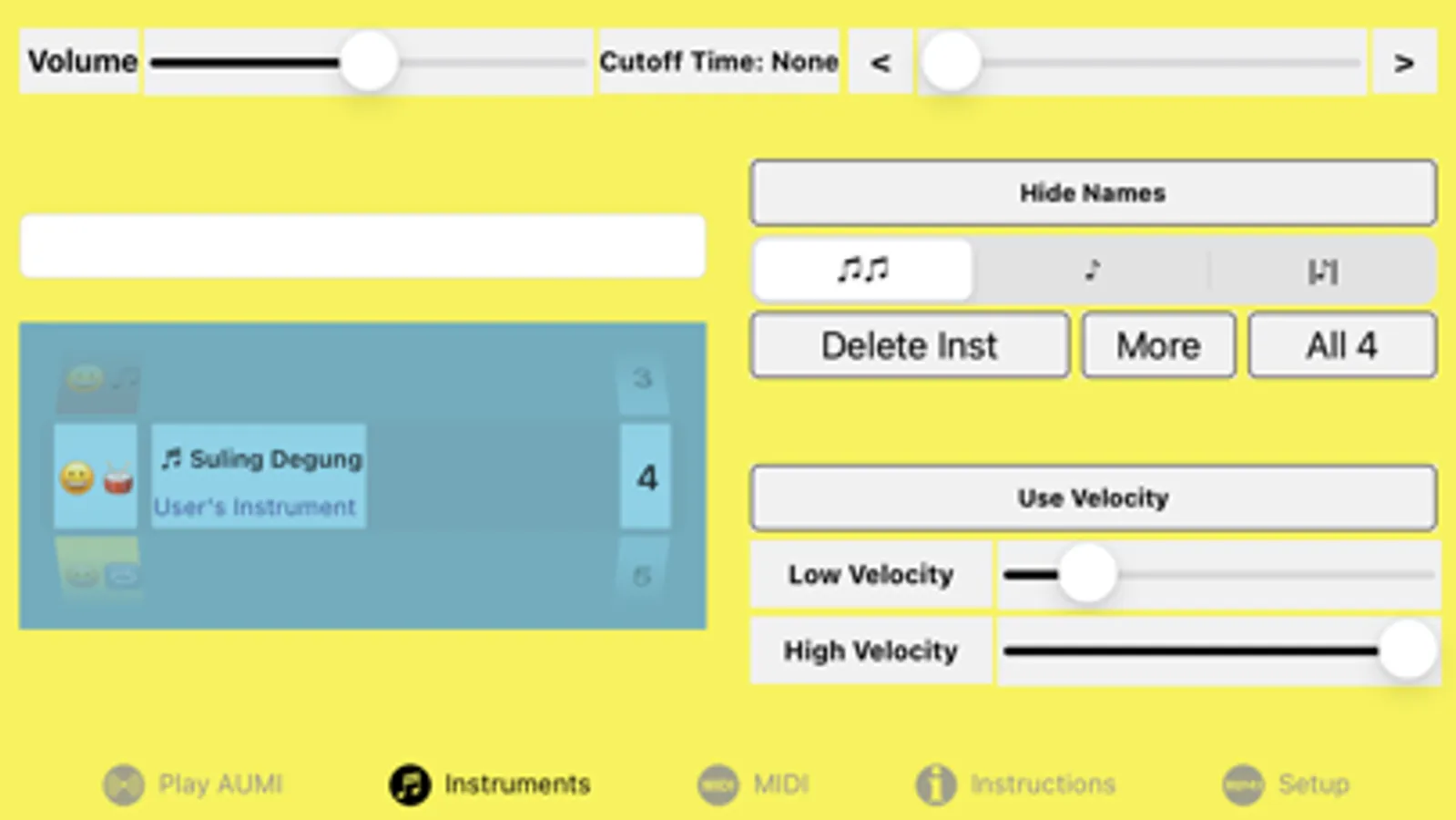
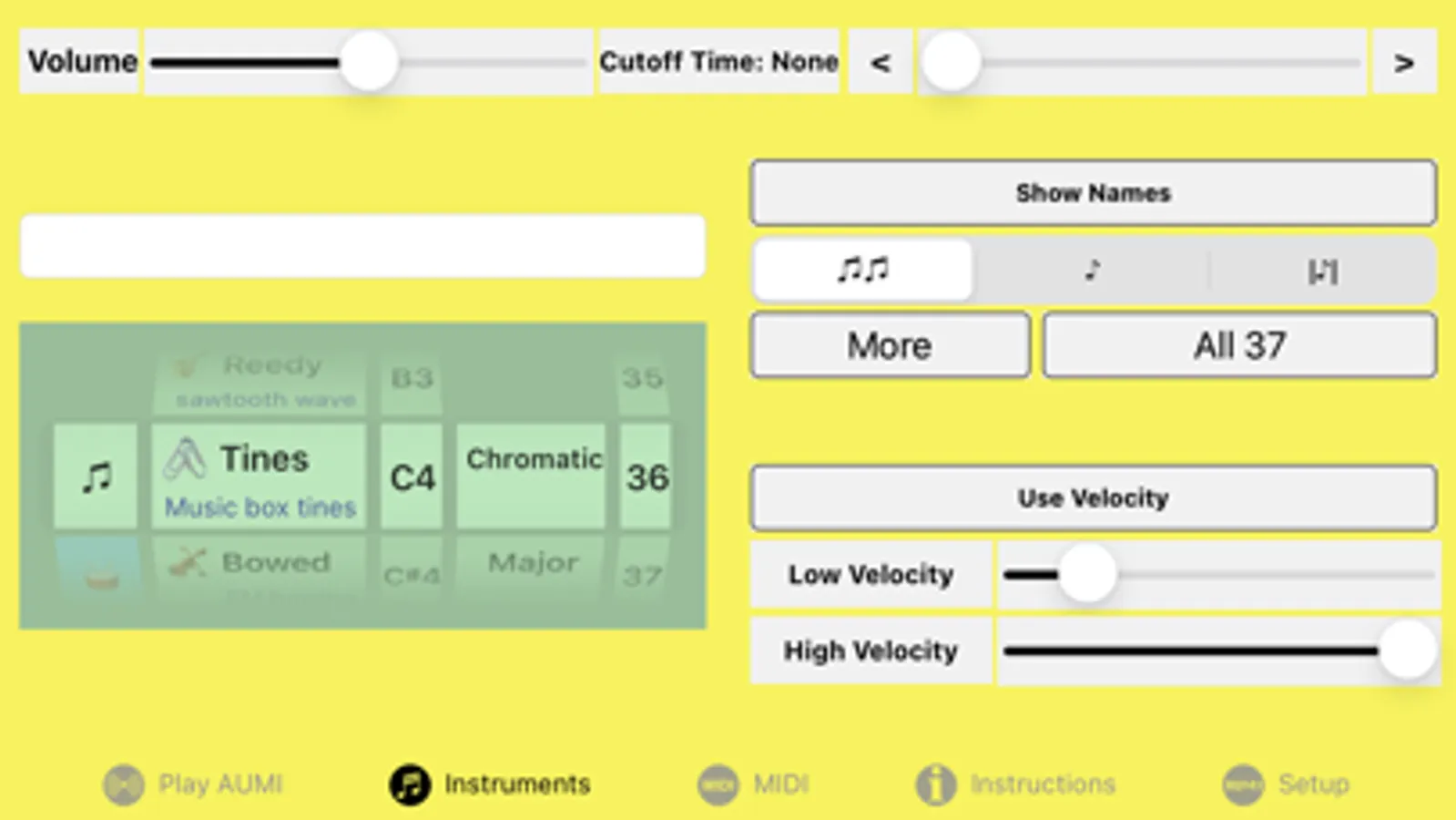
This iOS version of AUMI runs on devices with cameras, and can run on iPhones, iPod touches, and iPads. A large assortment of sounds can be triggered with configurable amounts of sensitivity. AUMI also can be used as a MIDI controller to access other iOS based synthesizers or external equipment (using the iPad's Camera Connection kit or via Core MIDI over WiFi.)
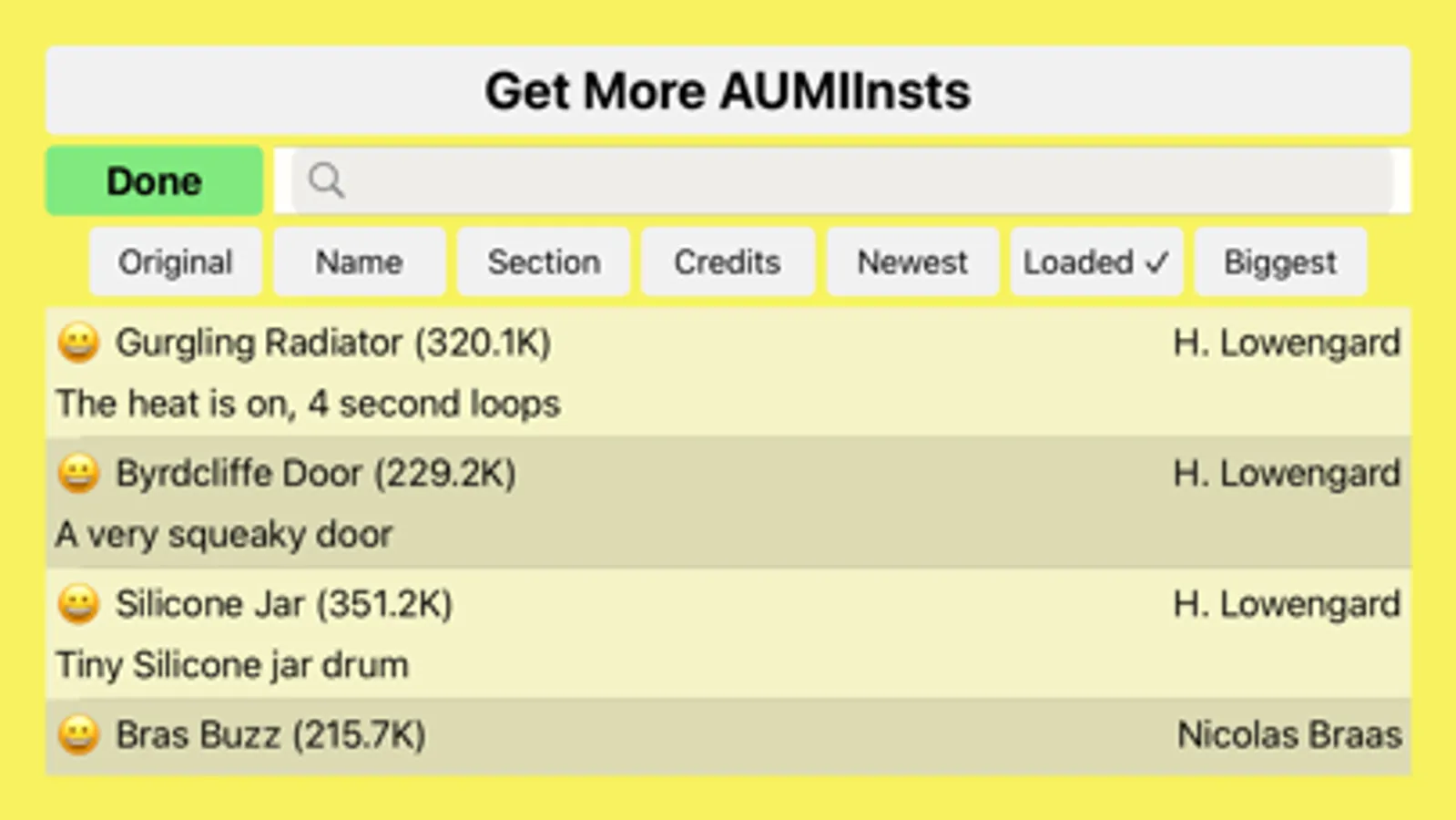
AUMI can also import audio from other iOS or desktop apps to be used as melodic or percussive instruments.
AUMI can capture a record of the movement in the session, which can be exported and turned into reports in a clinical setting.
AUMI Screenshots

Tap to Rate:
Reviews for AUMI
tweeish
My Special Needs Music Students LOVE AUMI
I LOVE AUMI too. All of my students have cognitive challenges and many of them also have physical challenges. AUMI is a hit with all most of them. You can tell when they "get it" that they are controlling the sound by themselves. It's like magic. What's more, I love being able to easily add my own sound files. That why no matter what music standard or integrated academic curriculum I'm teaching AUMI can be a meaningful activity for the class. Congrats on doing something so wonderful for the lowest one percent of the population and thank you.
MusicTherapizer
I use it all the time
I work as a music therapist with kids with severe cognitive and physical limitations. Often holding onto an instrument or mallet is difficult, and I don't always like to strap mallets to their hands. This app is great for helping the kids I work with participate and make music - while being able to keep the notes within specific keys and scales so it doesn't sound chaotic. The visual feedback they receive is great (which you don't get with the Soundbeams hardware). Even the children in low awareness states who might not be as aware of their surroundings or the "rules" of music get benefit and enjoyment - their movements increase once they hear that music is created by their small or simple movements.