AppRecs review analysis
AppRecs rating . Trustworthiness 75 out of 100. Review manipulation risk 22 out of 100. Based on a review sample analyzed.
★
AppRecs Rating
Ratings breakdown
5 star
0%
4 star
100%
3 star
0%
2 star
0%
1 star
0%
What to know
✓
Low review manipulation risk
22% review manipulation risk
✓
Credible reviews
75% trustworthiness score from analyzed reviews
✓
High user satisfaction
100% of sampled ratings are 4+ stars (4.0★ average)
About Examination Of Conscience
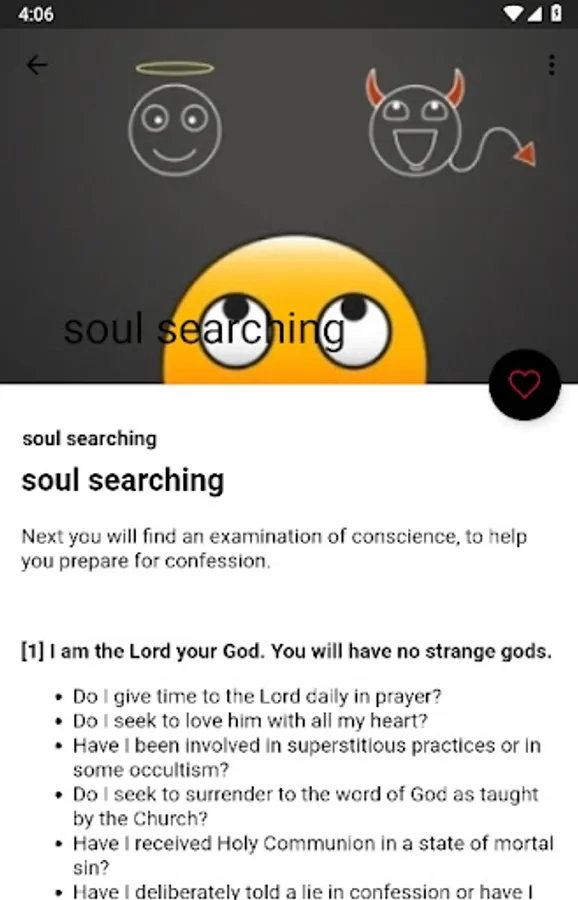
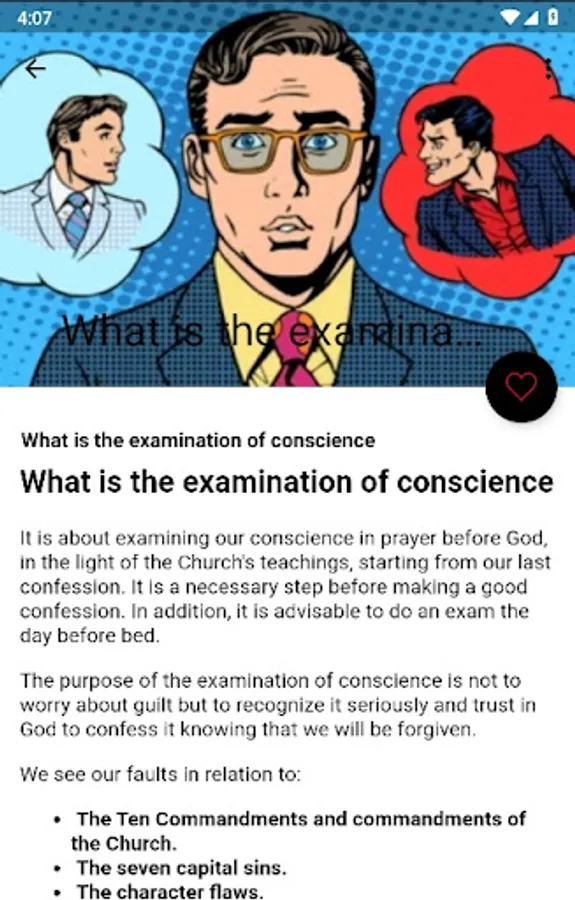
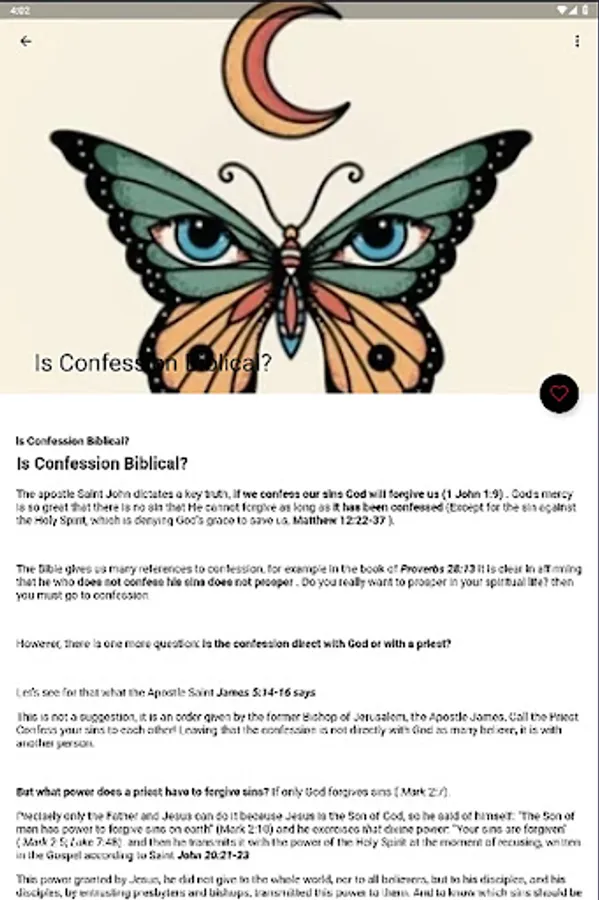
Examination of conscience is a prayerful reflection on our actions in light of our faith in order to identify sins, patterns of sin, or ways that we are falling short of who God is calling us to be. Once we recognize our sins, we can ask God for forgiveness and healing. (Check out the end of this article for some other ways to explain to your kids why we go to Confession.)
A good examination of conscience considers all areas of our lives—our thoughts and words, what we have done, and what we have failed to do. Typically it consists of questions in three categories: the call to love God, the call to love others, and the call to love one’s self. Most forms of the examination of conscience draw on the Ten Commandments.
You can find many forms of the examination of conscience in various prayer books. An examination of conscience is the act of looking prayerfully into our hearts to ask how we have hurt our relationships with God and other people through our thoughts, words, and actions. We reflect on the The Ten Commandments and the teachings of the Church. The questions help us in our examination of conscience.
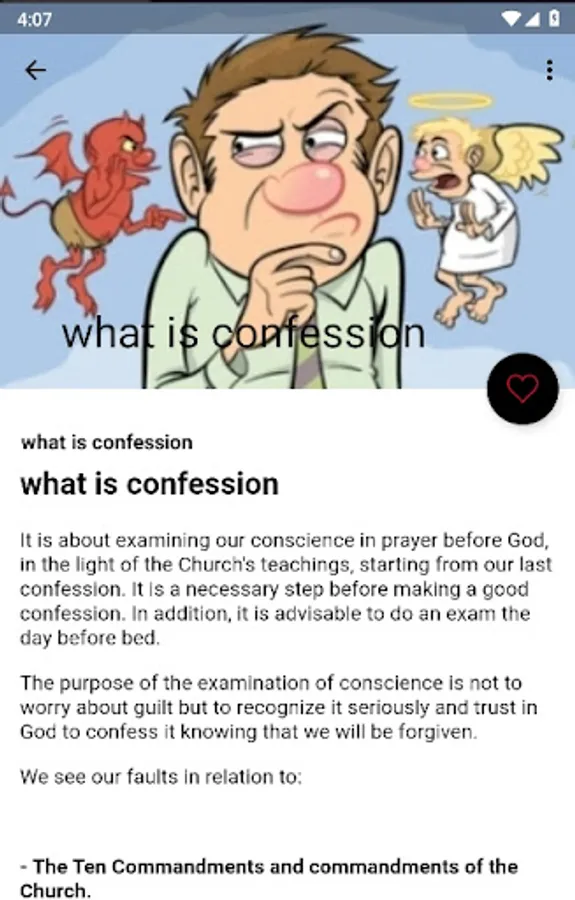
The basic requirement for a good confession is to have the intention of returning to God with your whole heart, like the prodigal son and to acknowledge your sins with true sorrow before the priest, who is there to remind you of Christ.
Modern society has lost a sense of sin. An examination of conscience helps us do just that. To make a good examination of conscience and to live a life in right relationship with God, His laws, and the happiness He desires for us, it is also critical for each of us to develop a well-formed conscience.
An examination of conscience is a review of one’s past thoughts, words. In other words, an examination of conscience helps you identify the moments in your life when you’ve pleased God with your virtue—the good things you’ve done or said—or when, conversely, you have fallen into sin. If you examine your conscience in order to uncover and reflect on your sins, you can then bring those uncovered sins before God in the Sacrament of Confession and ask for His forgiveness.
First examine your conscience well, then tell the priest the specific kind of sins you have committed and, to the best of your ability, how many times you have committed them since your last good confession. You are obliged to confess only mortal sins, since you can obtain forgiveness for your venial sins by sacrifices and acts of charity. If you are in doubt about whether a sin is mortal or venial, mention your doubt to the confessor. Remember also, confession of venial sins is very helpful for avoiding sin and advancing toward Heaven.
By this term is understood a review of one's past thoughts, words and actions for the purpose of ascertaining their conformity with, or difformity from, the moral law. Directly, this examination is concerned only with the will, that is, with the good or bad intention that inspires one's thoughts, words, and actions.
In the hearts of all men there is heard at times the voice of conscience bidding them seek their moral perfection, not so much for the dignity and happiness it confers on them as through regard for the holiness of the Supreme Author of the moral law. This precept of rational nature has been enforced by the voice of revelation.
A good examination of conscience considers all areas of our lives—our thoughts and words, what we have done, and what we have failed to do. Typically it consists of questions in three categories: the call to love God, the call to love others, and the call to love one’s self. Most forms of the examination of conscience draw on the Ten Commandments.
You can find many forms of the examination of conscience in various prayer books. An examination of conscience is the act of looking prayerfully into our hearts to ask how we have hurt our relationships with God and other people through our thoughts, words, and actions. We reflect on the The Ten Commandments and the teachings of the Church. The questions help us in our examination of conscience.
The basic requirement for a good confession is to have the intention of returning to God with your whole heart, like the prodigal son and to acknowledge your sins with true sorrow before the priest, who is there to remind you of Christ.
Modern society has lost a sense of sin. An examination of conscience helps us do just that. To make a good examination of conscience and to live a life in right relationship with God, His laws, and the happiness He desires for us, it is also critical for each of us to develop a well-formed conscience.
An examination of conscience is a review of one’s past thoughts, words. In other words, an examination of conscience helps you identify the moments in your life when you’ve pleased God with your virtue—the good things you’ve done or said—or when, conversely, you have fallen into sin. If you examine your conscience in order to uncover and reflect on your sins, you can then bring those uncovered sins before God in the Sacrament of Confession and ask for His forgiveness.
First examine your conscience well, then tell the priest the specific kind of sins you have committed and, to the best of your ability, how many times you have committed them since your last good confession. You are obliged to confess only mortal sins, since you can obtain forgiveness for your venial sins by sacrifices and acts of charity. If you are in doubt about whether a sin is mortal or venial, mention your doubt to the confessor. Remember also, confession of venial sins is very helpful for avoiding sin and advancing toward Heaven.
By this term is understood a review of one's past thoughts, words and actions for the purpose of ascertaining their conformity with, or difformity from, the moral law. Directly, this examination is concerned only with the will, that is, with the good or bad intention that inspires one's thoughts, words, and actions.
In the hearts of all men there is heard at times the voice of conscience bidding them seek their moral perfection, not so much for the dignity and happiness it confers on them as through regard for the holiness of the Supreme Author of the moral law. This precept of rational nature has been enforced by the voice of revelation.
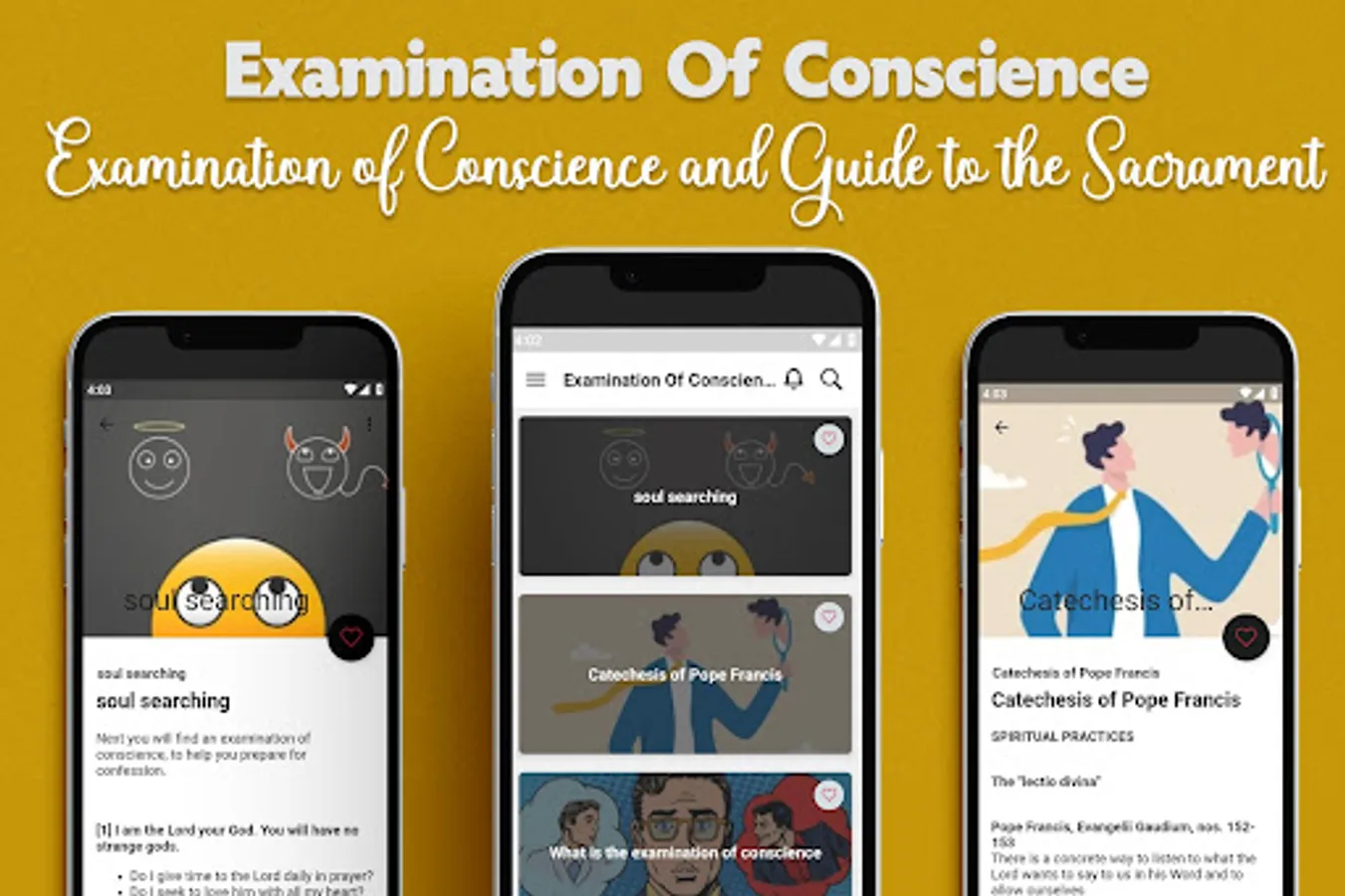
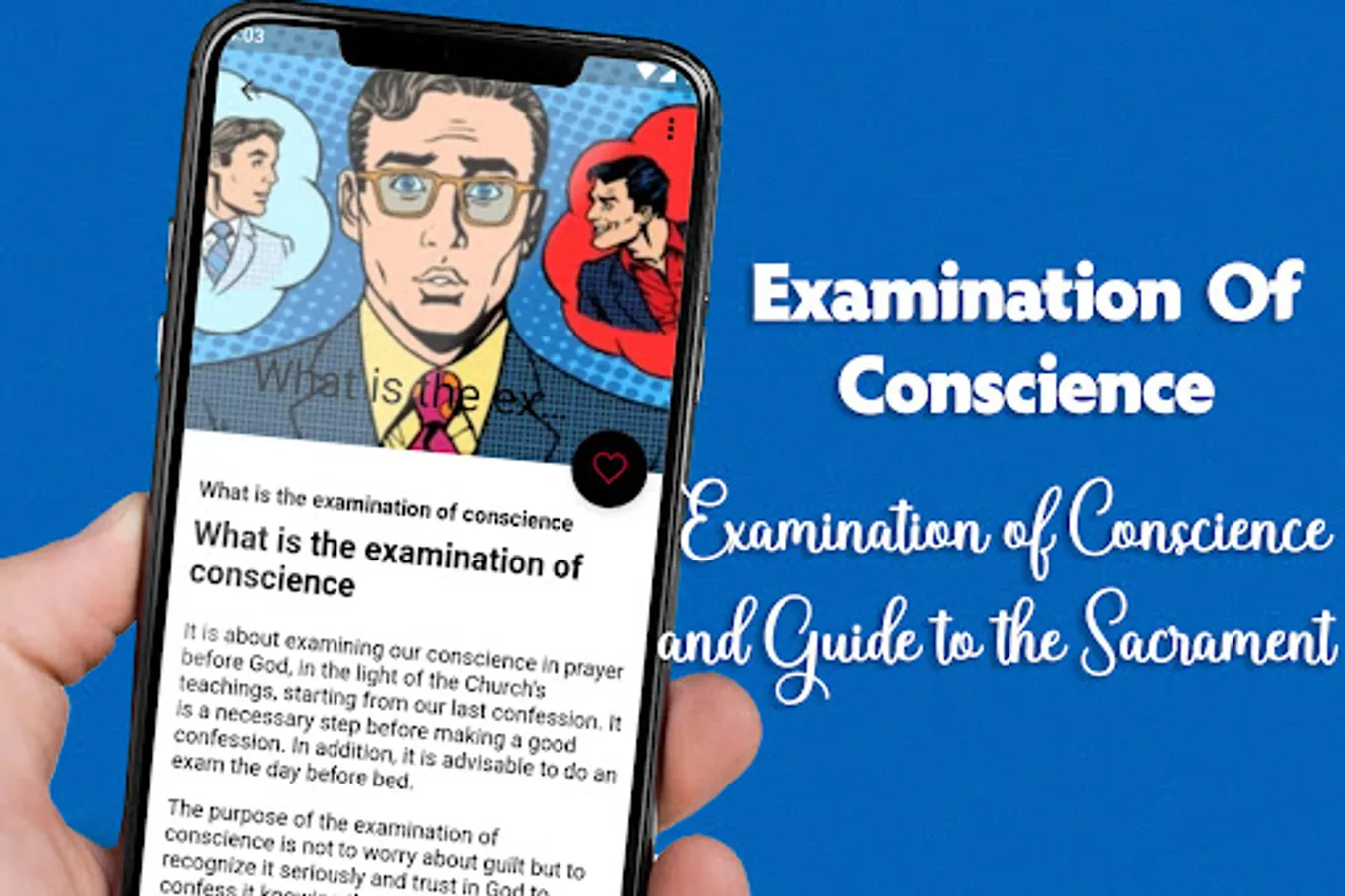
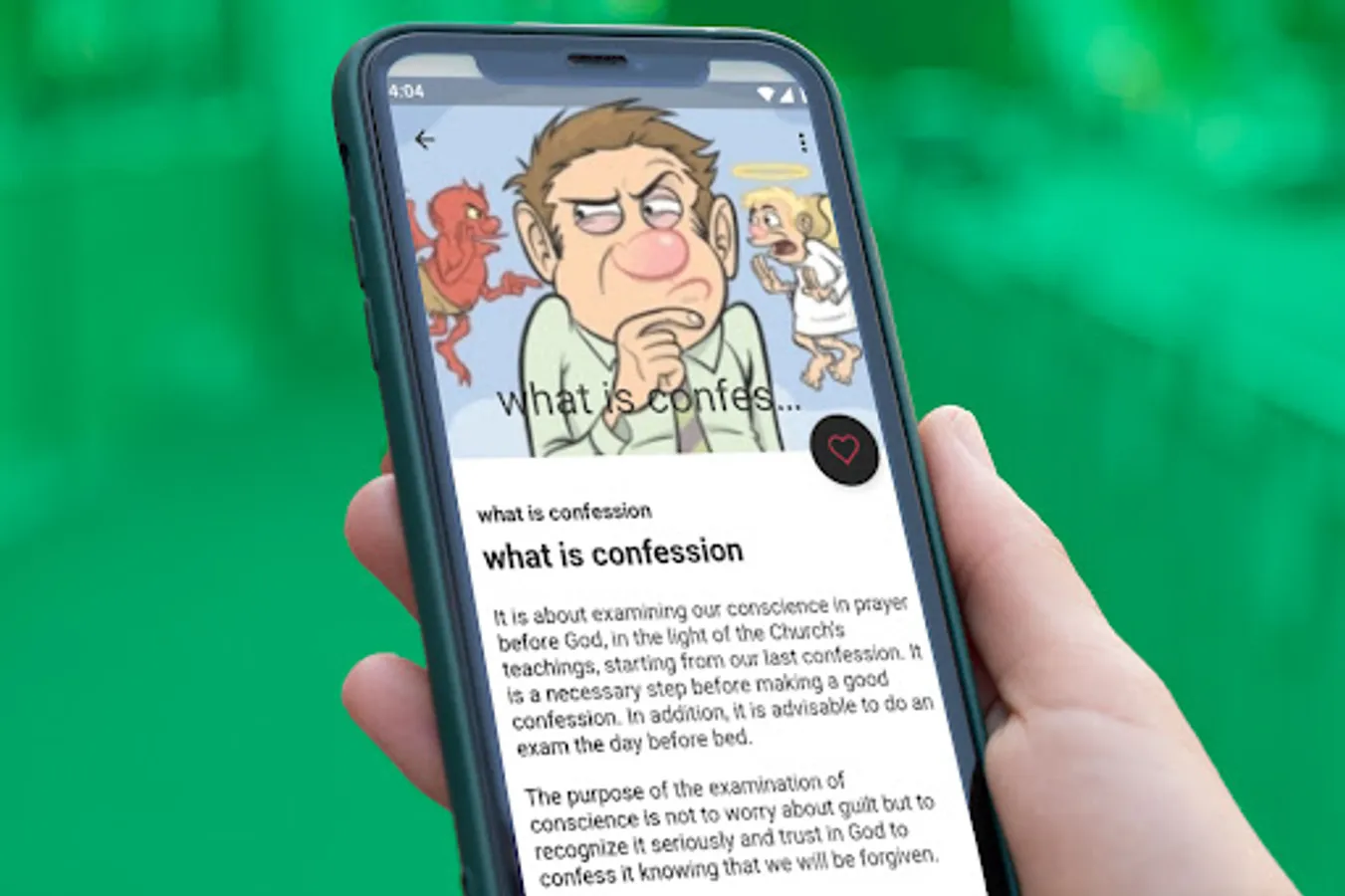
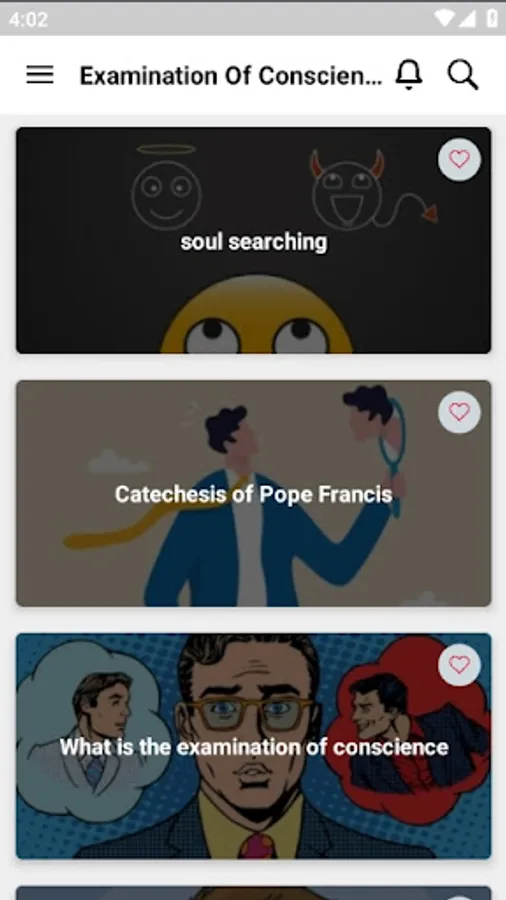
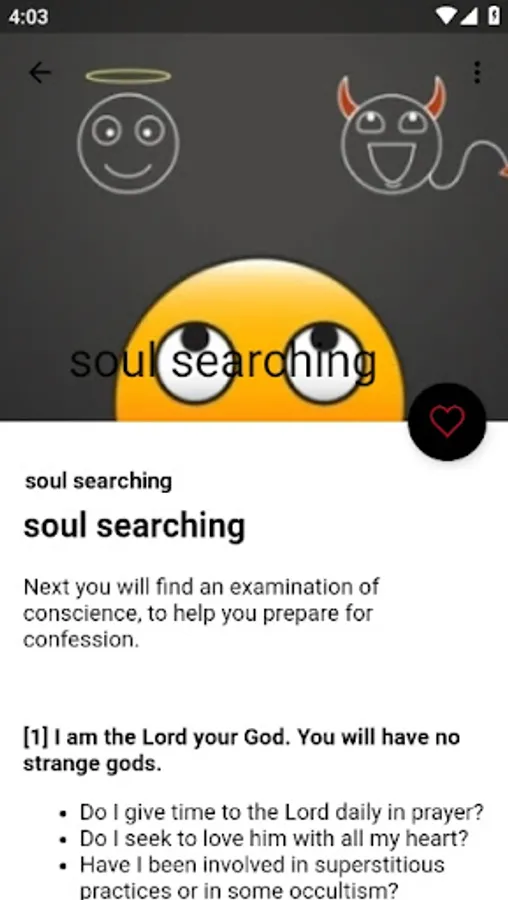
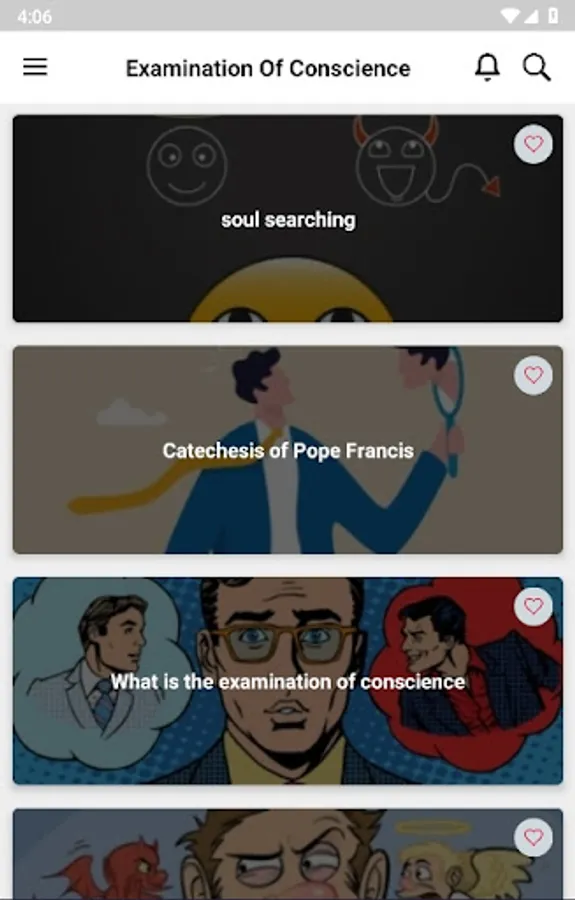
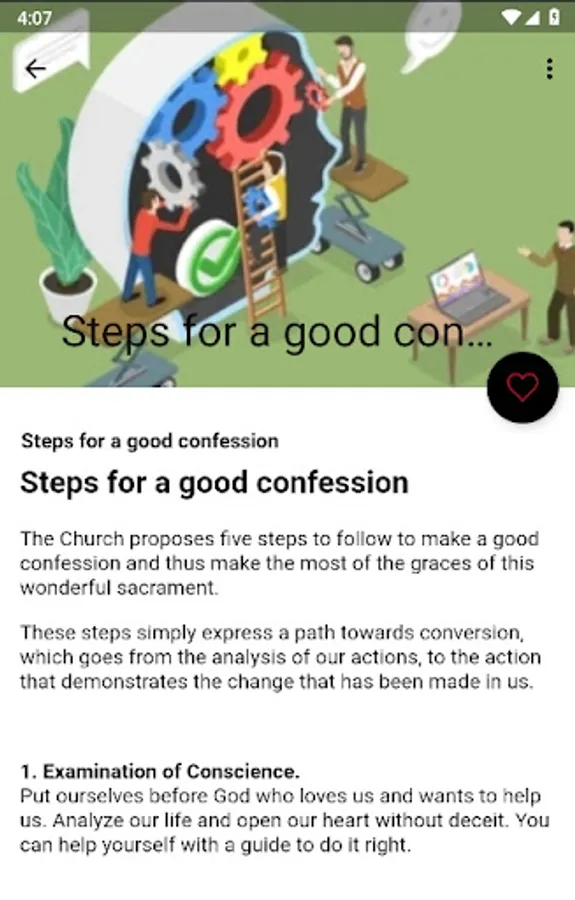
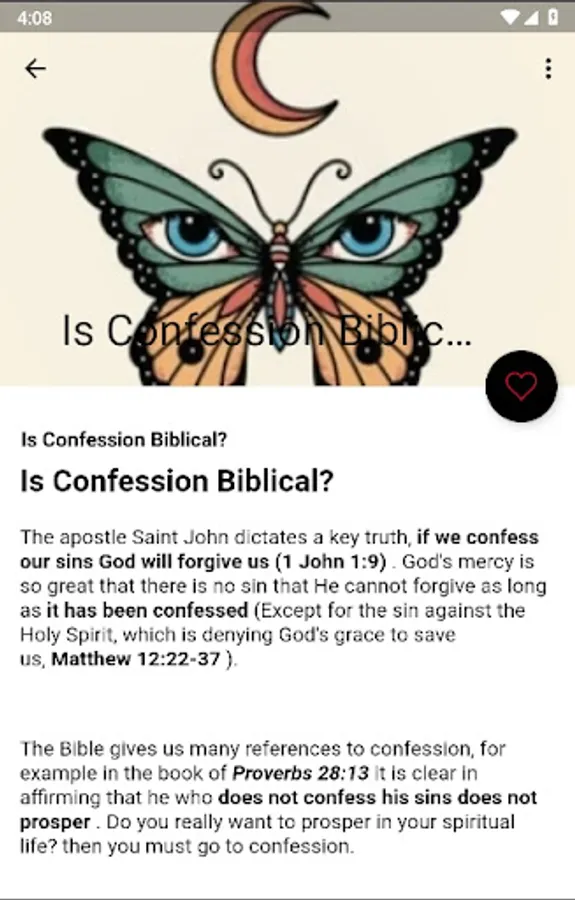
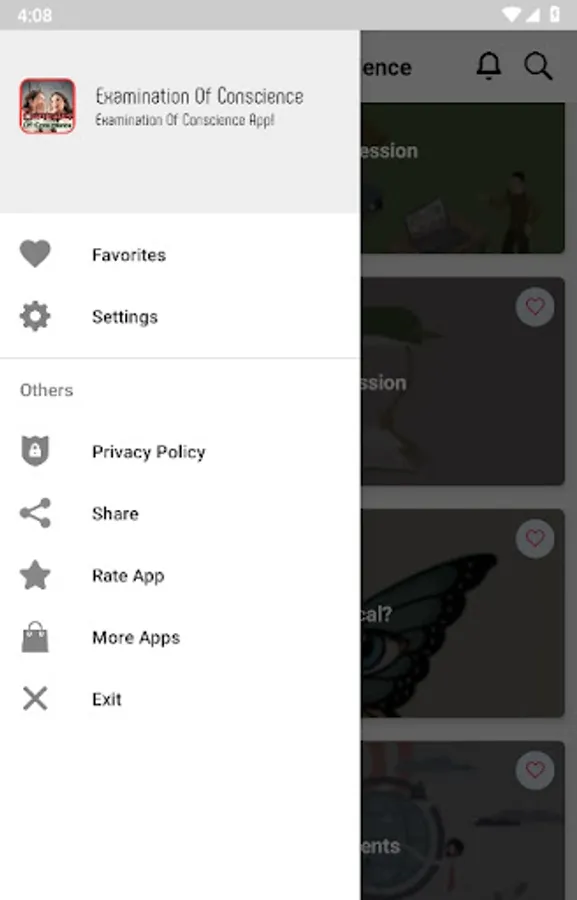
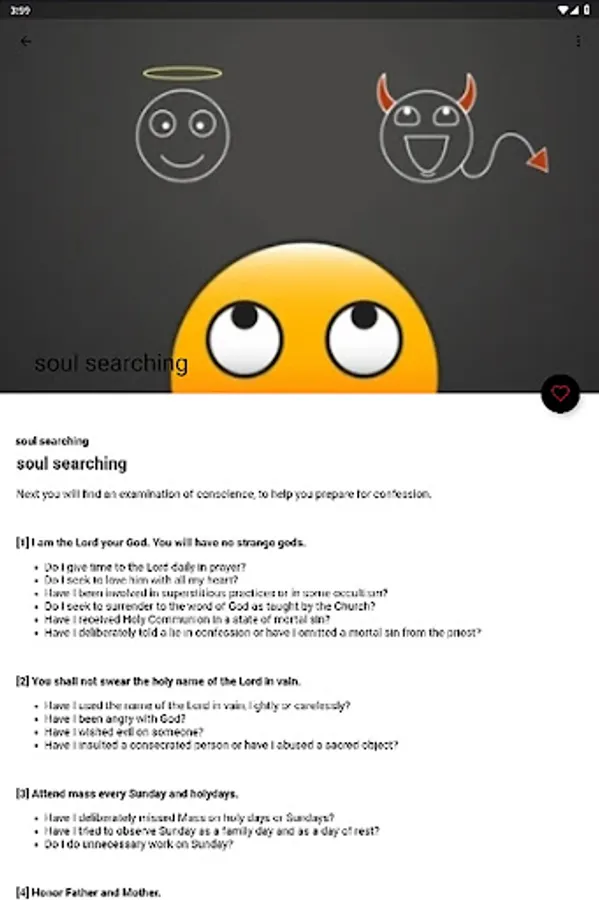
Examination Of Conscience Screenshots



Tap to Rate:
Reviews for Examination Of Conscience
Pikey Berbil
9/17/2023
would be 5 star if there was way to remove ads. I would pay to remove Ads and support the developer. I will likely end up uninstalling because of my dislike of ads and distrust of google invasive data mining algorithms :-(