نهج البلاغه امام علی (ع)
Yung philz devS
4.8 ★
store rating
10,000+
downloads
Free
AppRecs review analysis
AppRecs rating 3.8. Trustworthiness 55 out of 100. Review manipulation risk 43 out of 100. Based on a review sample analyzed.
★★★☆☆
3.8
AppRecs Rating
Ratings breakdown
5 star
84%
4 star
16%
3 star
0%
2 star
0%
1 star
0%
What to know
✓
Authentic reviews
Natural distribution, no red flags
⚠
Questionable review patterns
43% review manipulation risk - some review patterns appear unusual
⚠
Rating authenticity concerns
High rating concentration (84% 5-star) in sampled ratings
About نهج البلاغه امام علی (ع)
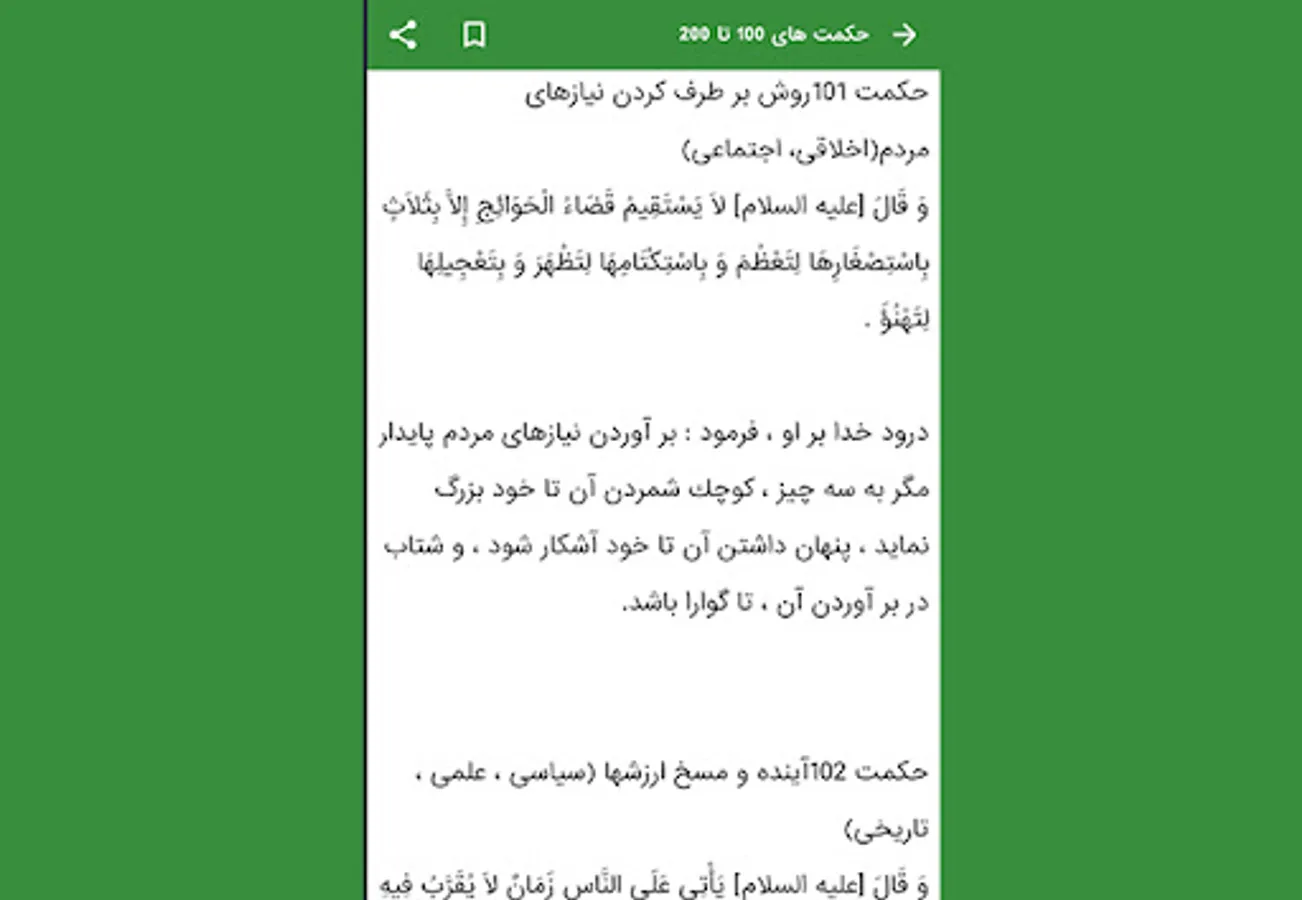
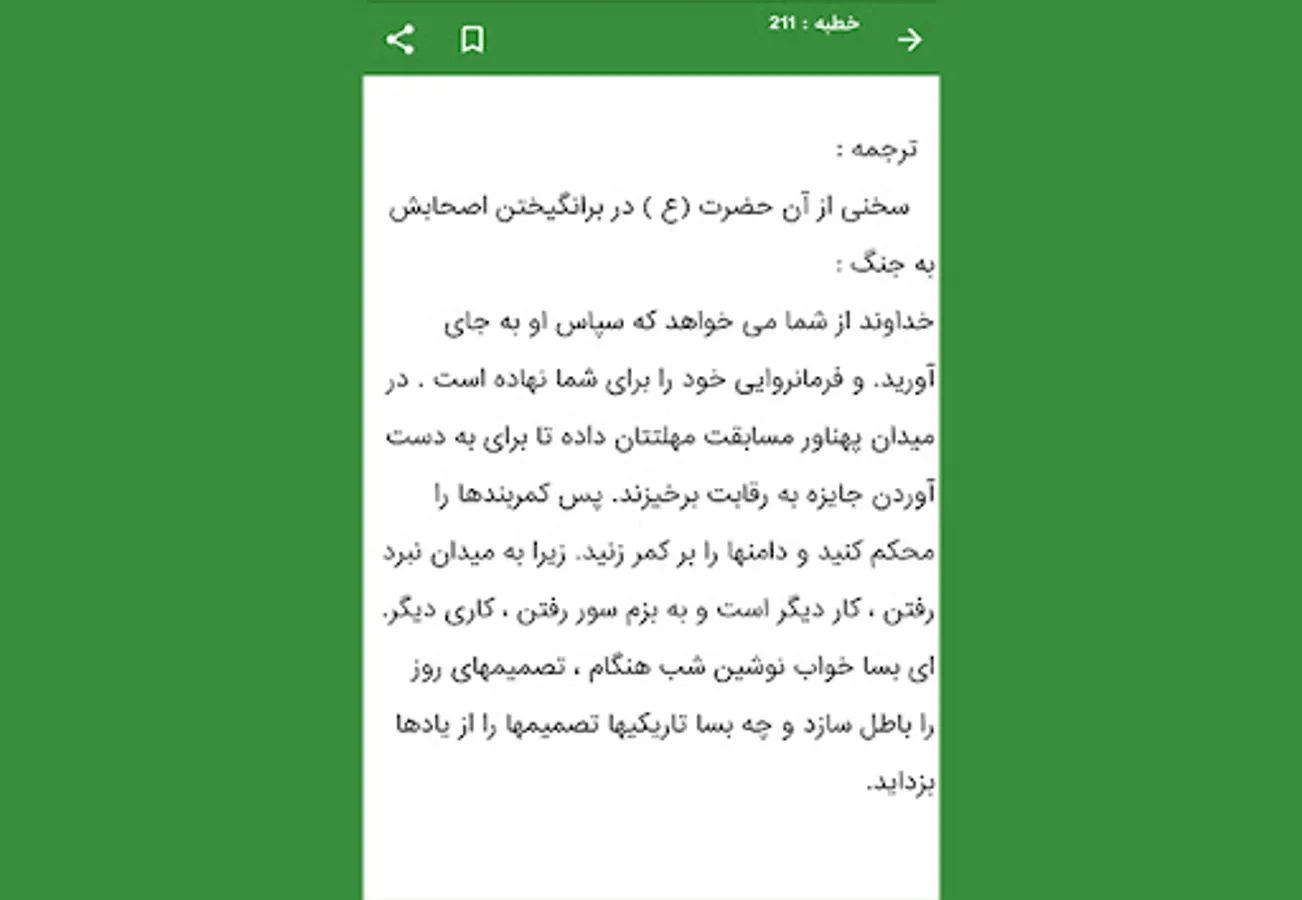
Nahj al-Balagheh is one of the most important narrative books of Shiites, and it ranks second after the Holy Quran in terms of importance and attention. In terms of eloquence and eloquence, this book is considered one of the best works in the Arabic language and literature, and in addition to the scholars, jurists and religious scholars, many Arab poets and writers also praise this work. Among other books in the same category as Nahj al-Balaghah, we can mention Sahifah Sajjadiyeh.
Who is the compiler of Nahj al-Balagha?
As you know, all the texts in the book of Nahj al-Balagha are attributed to Imam Ali (peace be upon him). In the 4th century of Hijri, with the coming to power of Al-Buyeh in Iraq, the Shiites were freed from the pressure and harassment of the Abbasid caliph and found an opportunity to freely explain the teachings of the Ahl al-Bayt to the people. In this way, the fourth century can be considered an important century for Shiites. Many important jurisprudential and religious books and teachings left by imams were compiled or collected during this period.
Who is the compiler of Nahj al-Balagha?
As you know, all the texts in the book of Nahj al-Balagha are attributed to Imam Ali (peace be upon him). In the 4th century of Hijri, with the coming to power of Al-Buyeh in Iraq, the Shiites were freed from the pressure and harassment of the Abbasid caliph and found an opportunity to freely explain the teachings of the Ahl al-Bayt to the people. In this way, the fourth century can be considered an important century for Shiites. Many important jurisprudential and religious books and teachings left by imams were compiled or collected during this period.