AppRecs review analysis
AppRecs rating 4.0. Trustworthiness 81 out of 100. Review manipulation risk 23 out of 100. Based on a review sample analyzed.
★★★★☆
4.0
AppRecs Rating
Ratings breakdown
5 star
33%
4 star
0%
3 star
0%
2 star
17%
1 star
50%
What to know
✓
Low review manipulation risk
23% review manipulation risk
✓
Credible reviews
81% trustworthiness score from analyzed reviews
About ISS Locator
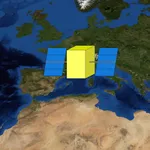
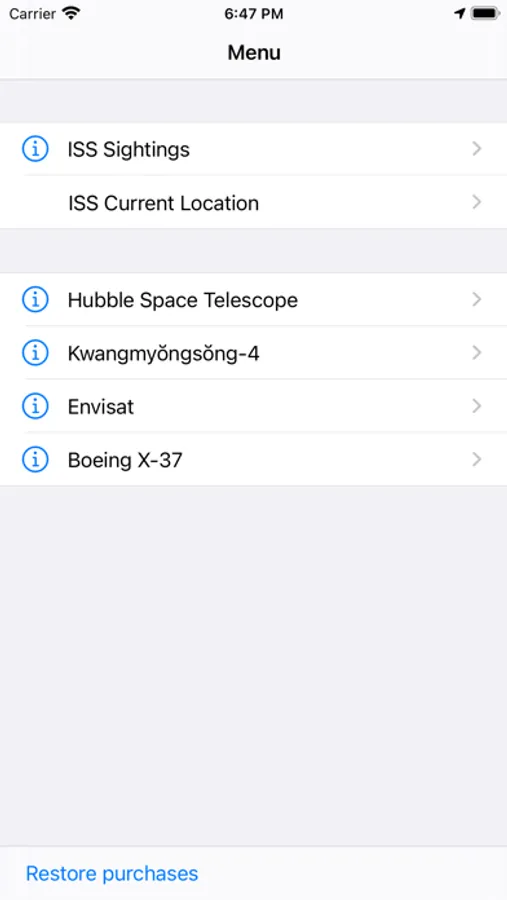
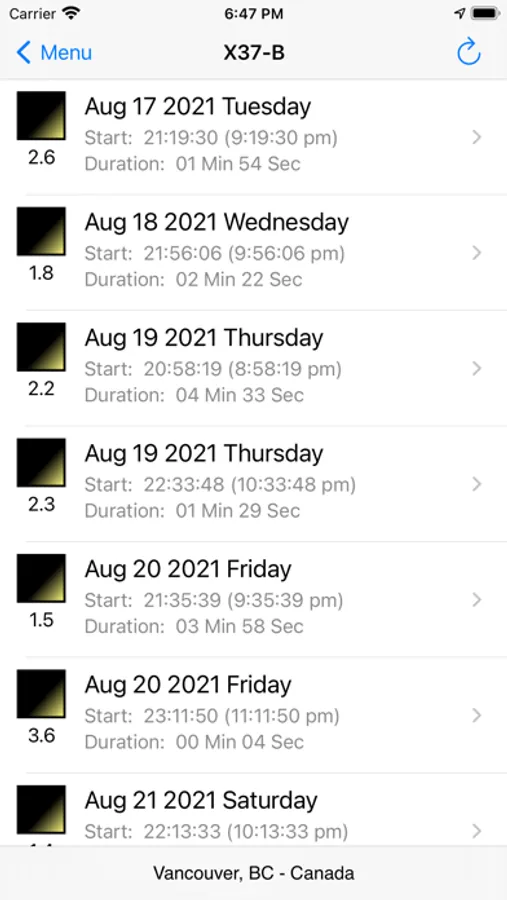
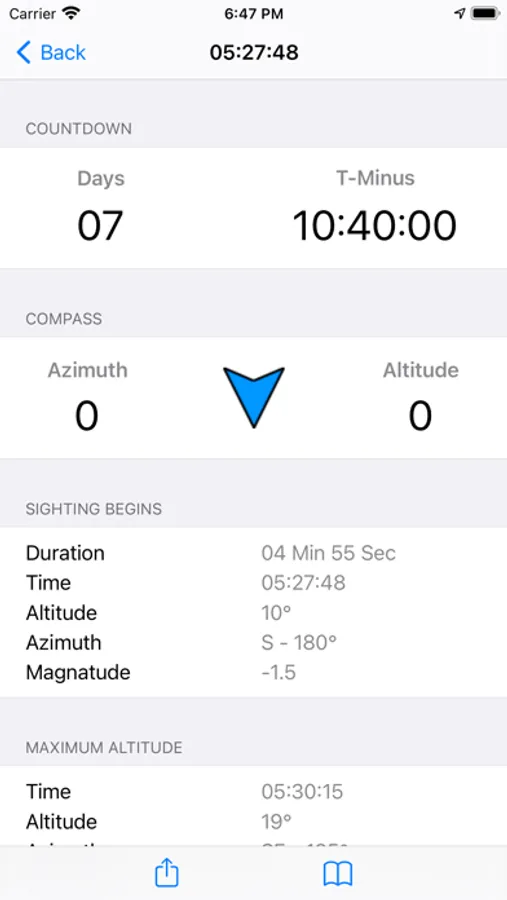
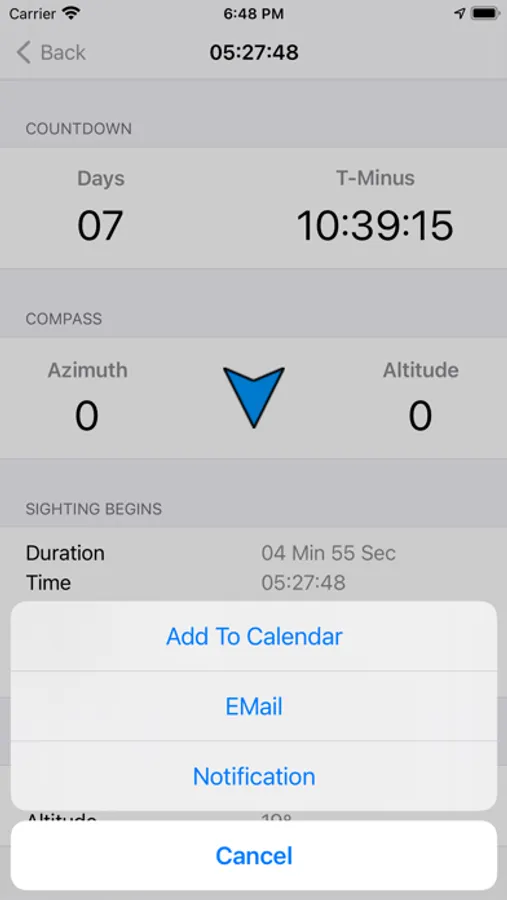
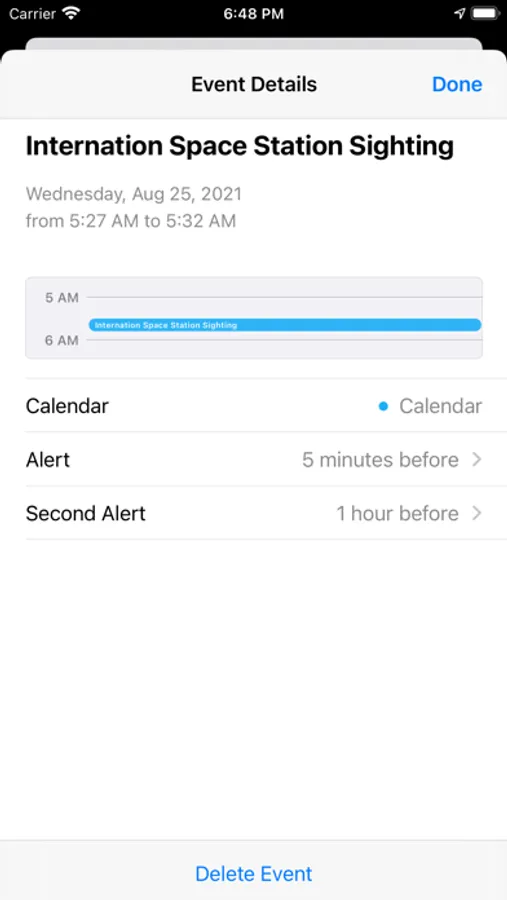
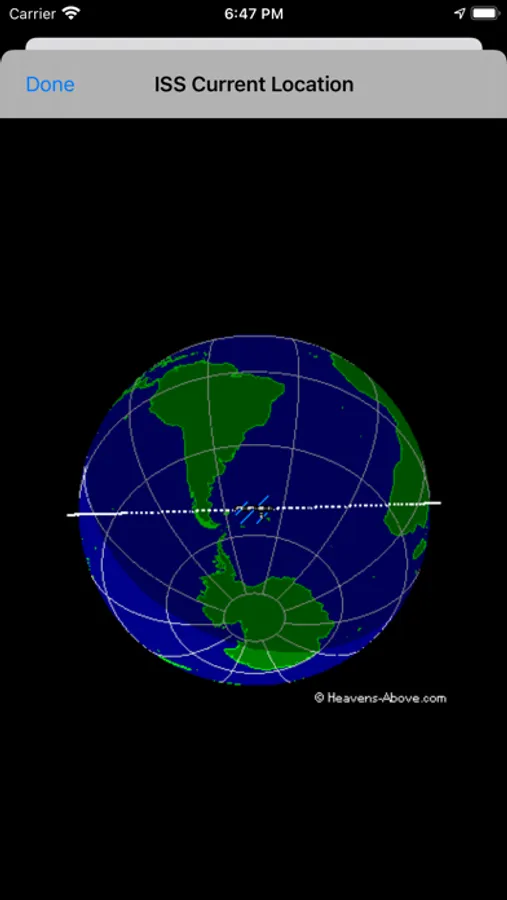
ISS Locator uses your current location to determine when the International Space Station or other satellites will pass over. The iPhone magnetometer is used to indicate which direction to look. The iphone gyroscope is used to indicate the altitude on the horizon where the ISS will appear. A countdown lets you know exactly when the sighting will begin as well as how long it will last. Sightings can added to the calendar or a notification can be set. An email describing the sighting can be sent to a friend.
ISS Locator is a great educational tool and a lot of fun to use.
Note: Location services MUST be enabled for this app to function. Please enable location services for ISS Locator in your Settings app.
Note: Only visible sightings are reported. Visible sightings happen at dawn and dusk. You can not see the ISS or any satellite in daylight or in total darkness.
Note: The Hubble Space Telescope orbit is tilted to the equator at an angle of 28.5 degrees, which means that it never travels farther north than 28.5 degrees N. latitude (the latitude of Cape Canaveral, Florida), or farther south than 28.5 degrees S. latitude (the approximate latitude of Brisbane, Australia).
Please rate this app if you like it.
Don't forget to tip.
ISS Locator is a great educational tool and a lot of fun to use.
Note: Location services MUST be enabled for this app to function. Please enable location services for ISS Locator in your Settings app.
Note: Only visible sightings are reported. Visible sightings happen at dawn and dusk. You can not see the ISS or any satellite in daylight or in total darkness.
Note: The Hubble Space Telescope orbit is tilted to the equator at an angle of 28.5 degrees, which means that it never travels farther north than 28.5 degrees N. latitude (the latitude of Cape Canaveral, Florida), or farther south than 28.5 degrees S. latitude (the approximate latitude of Brisbane, Australia).
Please rate this app if you like it.
Don't forget to tip.
ISS Locator Screenshots
Tap to Rate:
Reviews for ISS Locator
Calileo11
Love this app
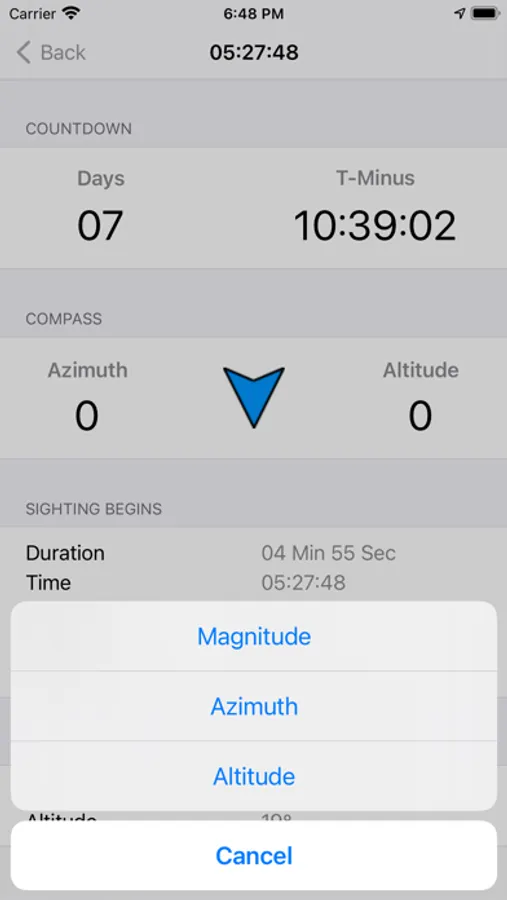
I use it frequently, but please correct the spelling of “magnatude” to magnitude for the ISS. It’s driving me crazy. :-). Could access your email or website.
Fruit Kotora
Working again!!!
Better than other ISS locator apps. Simplicity and elegance.