AppRecs review analysis
AppRecs rating 3.3. Trustworthiness 69 out of 100. Review manipulation risk 24 out of 100. Based on a review sample analyzed.
★★★☆☆
3.3
AppRecs Rating
Ratings breakdown
5 star
0%
4 star
0%
3 star
33%
2 star
33%
1 star
33%
What to know
✓
Low review manipulation risk
24% review manipulation risk
About PBPhonics 1 to 3
PBPhonics is for adults and young adults studying basic English literacy, including those learning English as a second language. It offers students the opportunity to:
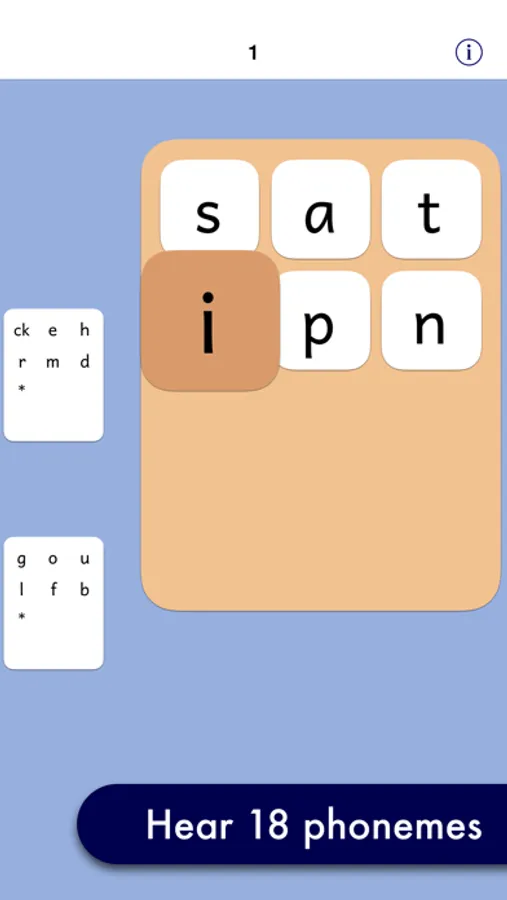
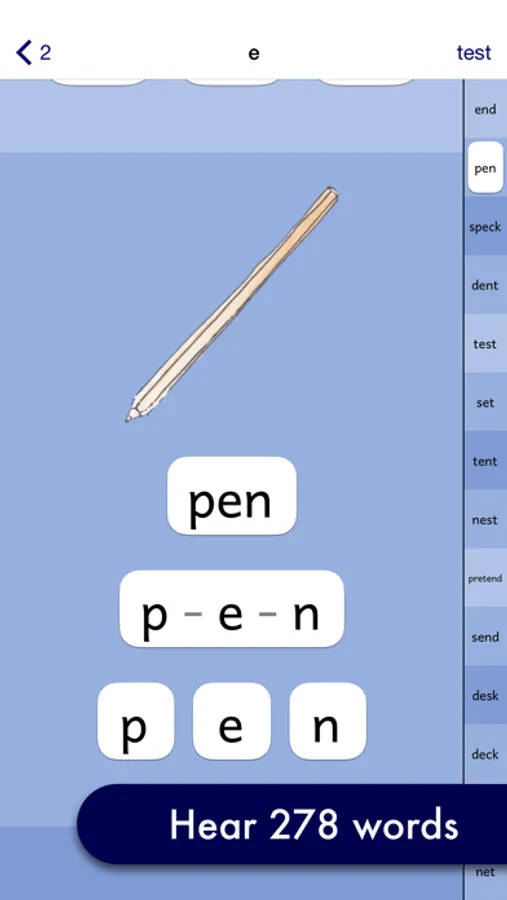
1. Hear the phonemes that make up a word
2. Hear those phonemes run together to make the word
3. Hear the whole word
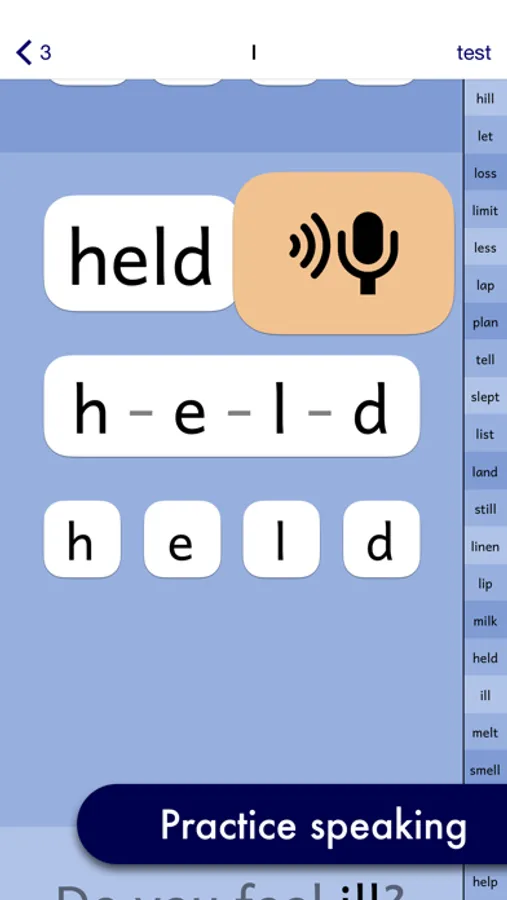
4. Record themselves speaking the word and compare their recording with PBPhonics
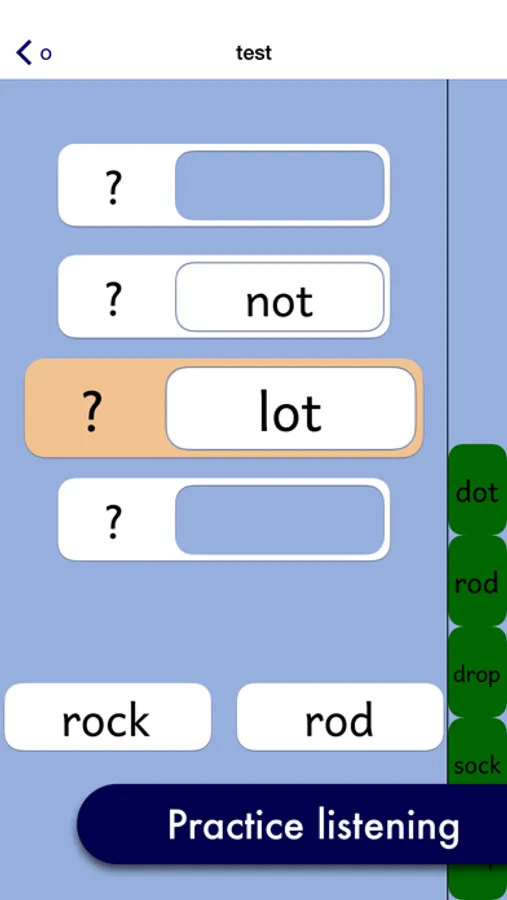
5. Take tests matching word sounds to their written form
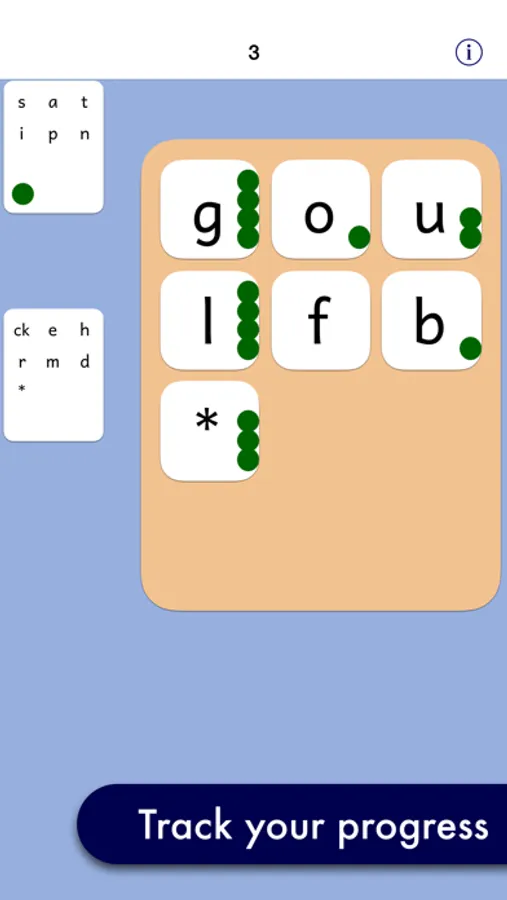
Instruction is provided through animated gestures, with no dependence on written or spoken instructions. The vocabulary and test complexity start simply and automatically adapt as the student passes tests and gains confidence. Teachers may also choose appropriate levels and review student progress on the ⓘ screen.
PBPhonics 1 to 3 contains 18 phonemes in 3 sets (S,A,T,I,P,N; CK,E,H,R,M,D; and G,O,U,L,F,B). These are used to build 278 words. Some words have pictures and others have spoken sentences to provide context. The words and phonemes have an Australian accent, and have been recorded with multiple voices for variety. Teachers may replace word and phoneme sounds with their own recordings.
When students have mastered all 18 phonemes, they may move to PBPhonics 1 to 7. This more than doubles the material, for a total of 42 phonemes and 619 words. PBPhonics 1 to 7 is a separate app; PBPhonics 1 to 3 does not ask for any In-App Purchases.
1. Hear the phonemes that make up a word
2. Hear those phonemes run together to make the word
3. Hear the whole word
4. Record themselves speaking the word and compare their recording with PBPhonics
5. Take tests matching word sounds to their written form
Instruction is provided through animated gestures, with no dependence on written or spoken instructions. The vocabulary and test complexity start simply and automatically adapt as the student passes tests and gains confidence. Teachers may also choose appropriate levels and review student progress on the ⓘ screen.
PBPhonics 1 to 3 contains 18 phonemes in 3 sets (S,A,T,I,P,N; CK,E,H,R,M,D; and G,O,U,L,F,B). These are used to build 278 words. Some words have pictures and others have spoken sentences to provide context. The words and phonemes have an Australian accent, and have been recorded with multiple voices for variety. Teachers may replace word and phoneme sounds with their own recordings.
When students have mastered all 18 phonemes, they may move to PBPhonics 1 to 7. This more than doubles the material, for a total of 42 phonemes and 619 words. PBPhonics 1 to 7 is a separate app; PBPhonics 1 to 3 does not ask for any In-App Purchases.
PBPhonics 1 to 3 Screenshots
Tap to Rate:
Reviews for PBPhonics 1 to 3
KevLun
Helpful for esl
But only on Apple. All students have Samsung.
Trainer of trainers says no
Could be great
Seemed like a great idea but the pronunciation is clearly non-native the “a” was slight proof but the “i” was more obvious proof. Sounds like typical non-native “ee” but shortened. I’ve trained over a hundred native and non native trainers, I’m sure