
AppRecs review analysis
AppRecs rating . Trustworthiness 48 out of 100. Review manipulation risk 46 out of 100. Based on a review sample analyzed.
★
AppRecs Rating
Ratings breakdown
5 star
68%
4 star
21%
3 star
7%
2 star
0%
1 star
4%
What to know
⚠
Questionable review patterns
46% review manipulation risk - some review patterns appear unusual
⚠
Rating authenticity concerns
High rating concentration (68% 5-star) in sampled ratings
⚠
Review quality concerns
53% of sampled 5-star reviews are very short
About Saral Rogopchar
Ayurveda (Sanskrit: आयुर्वेद, Āyurveda, "life-knowledge"; English pronunciation /ˌaɪ.ərˈveɪdə/[1]), or Ayurveda medicine, is a system of medicine with historical roots in the Indian subcontinent. Globalized and modernized practices derived from Ayurveda traditions are a type of complementary or alternative medicine. In the Western world, Ayurveda therapies and practices (which are manifold) have been integrated in general wellness applications and as well in some cases in medical use.
The main classical Ayurveda texts begin with accounts of the transmission of medical knowledge from the Gods to sages, and then to human physicians. In Sushruta Samhita ([Sushruta's Compendium]), Sushruta wrote that Dhanvantari, Hindu god of Ayurveda, incarnated himself as a king of Varanasi and taught medicine to a group of physicians, including Sushruta. Ayurveda therapies have varied and evolved over more than two millennia. Therapies are typically based on complex herbal compounds, minerals and metal substances (perhaps under the influence of early Indian alchemy or rasa shastra). Ancient Ayurveda texts also taught surgical techniques, including rhinoplasty, kidney stone extractions, sutures, and the extraction of foreign objects. (Source:Wikipedia - CC BY-SA 3.0)
The main classical Ayurveda texts begin with accounts of the transmission of medical knowledge from the Gods to sages, and then to human physicians. In Sushruta Samhita ([Sushruta's Compendium]), Sushruta wrote that Dhanvantari, Hindu god of Ayurveda, incarnated himself as a king of Varanasi and taught medicine to a group of physicians, including Sushruta. Ayurveda therapies have varied and evolved over more than two millennia. Therapies are typically based on complex herbal compounds, minerals and metal substances (perhaps under the influence of early Indian alchemy or rasa shastra). Ancient Ayurveda texts also taught surgical techniques, including rhinoplasty, kidney stone extractions, sutures, and the extraction of foreign objects. (Source:Wikipedia - CC BY-SA 3.0)
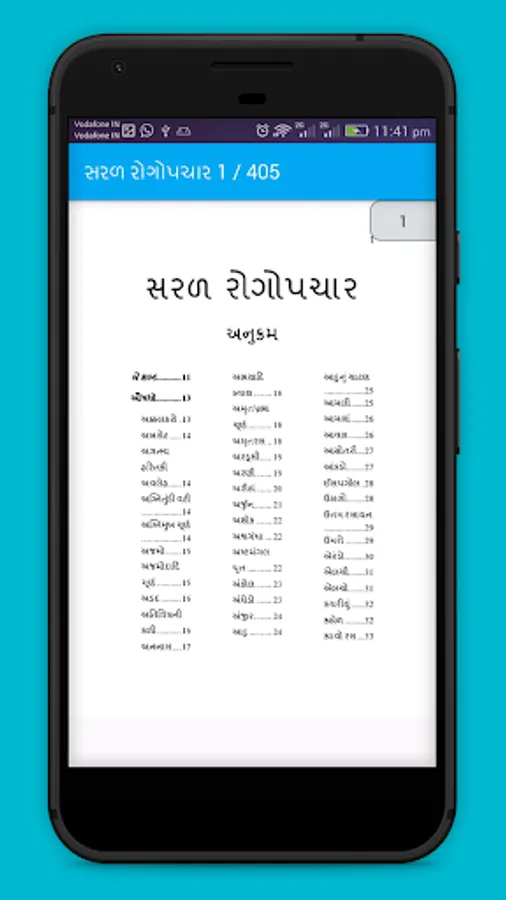
Saral Rogopchar Screenshots





Tap to Rate:
Reviews for Saral Rogopchar
ROYAL ZAYKA
12/6/2022
Using since many years and awesome results in all kind of problems thanks for making this kind of book
shamjibhai Chauhan
8/3/2022
Good