Data Structure Display
Jinan Matrix Information Technology Co., Ltd.
4.5 ★
669 ratings
Free
With this learning app, you can visualize and debug various data structures such as arrays, trees, and graphs, observing changes during operations. Includes dynamic debugging tools, interactive tutorials, and support for algorithms like Tower of Hanoi and graph traversals.
AppRecs review analysis
AppRecs rating 4.5. Trustworthiness 75 out of 100. Review manipulation risk 35 out of 100. Based on a review sample analyzed.
★★★★☆
4.5
AppRecs Rating
Ratings breakdown
5 star
81%
4 star
7%
3 star
2%
2 star
1%
1 star
9%
What to know
✓
Credible reviews
75% trustworthiness score from analyzed reviews
✓
High user satisfaction
88% of sampled ratings are 4+ stars (4.5★ average)
About Data Structure Display
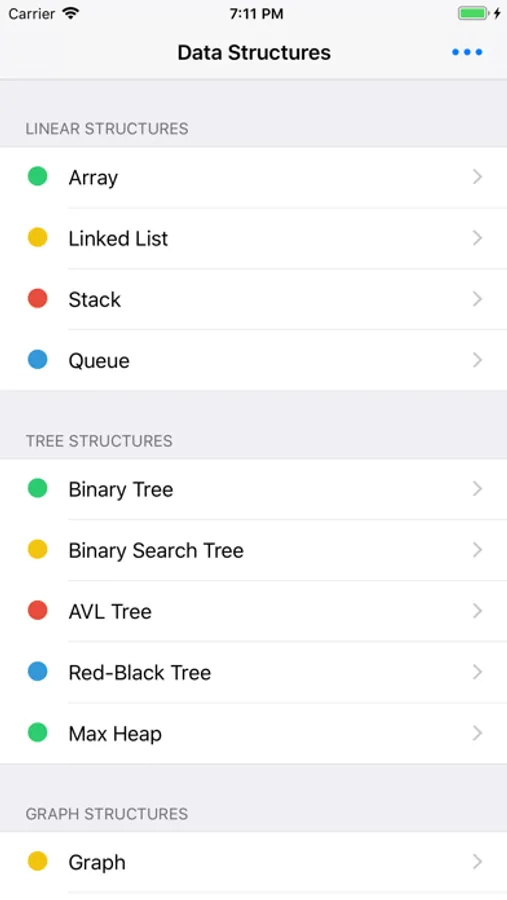
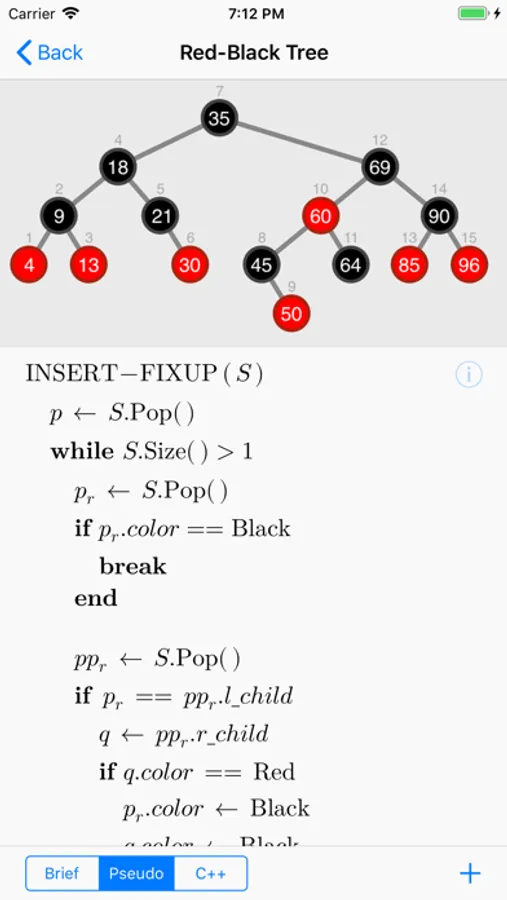
A novel data structure learning app, the most significant feature is that you can dynamically debug the data structure in this app, and visually observe the changes in the data structure during the operation. In this app you can learn the following data structures:
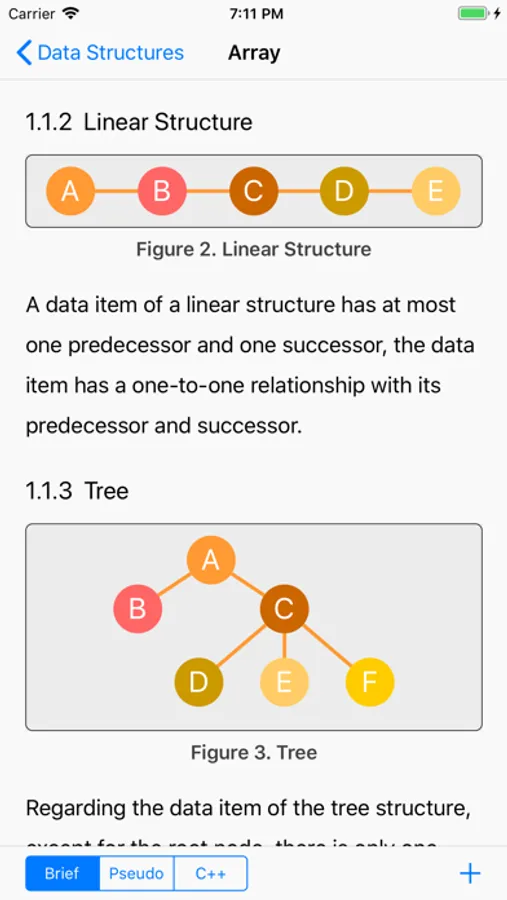
1. Linear structures, including arrays, linked lists, queues, stacks. Linear structures are the basis for other advanced data structures, as fine as advanced algorithms.
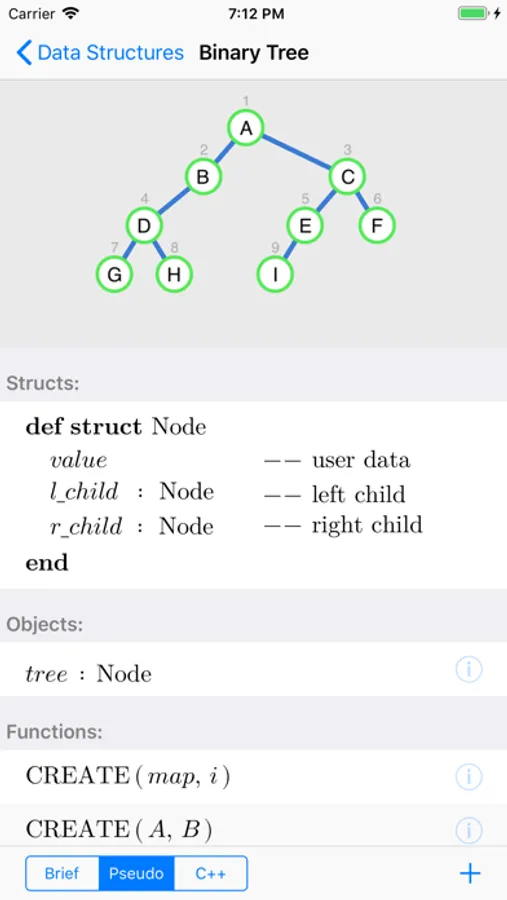
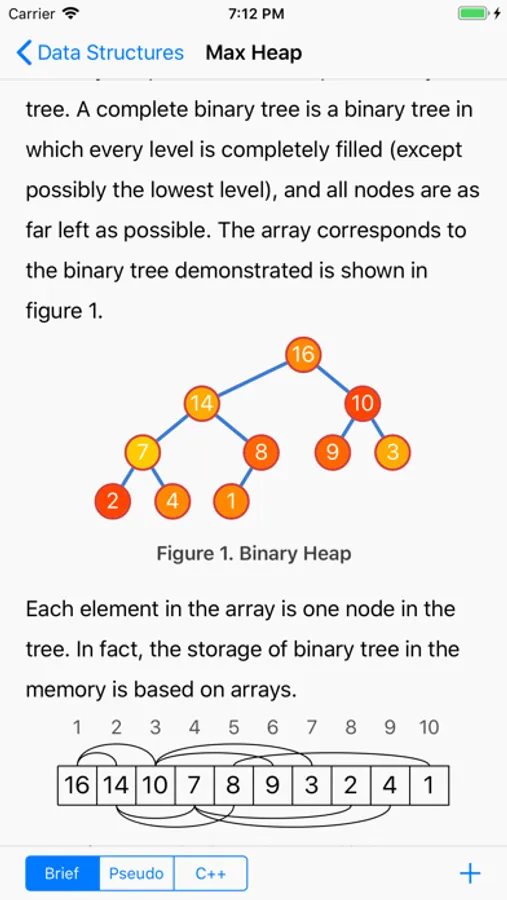
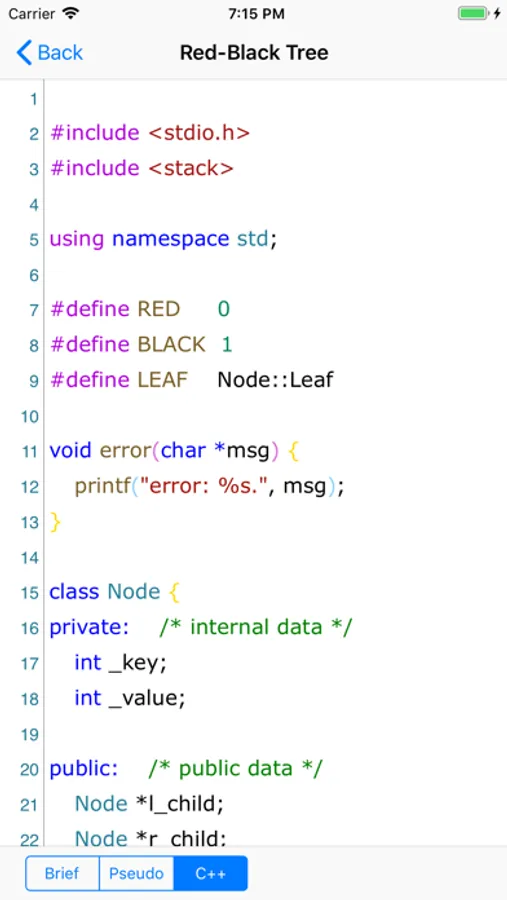
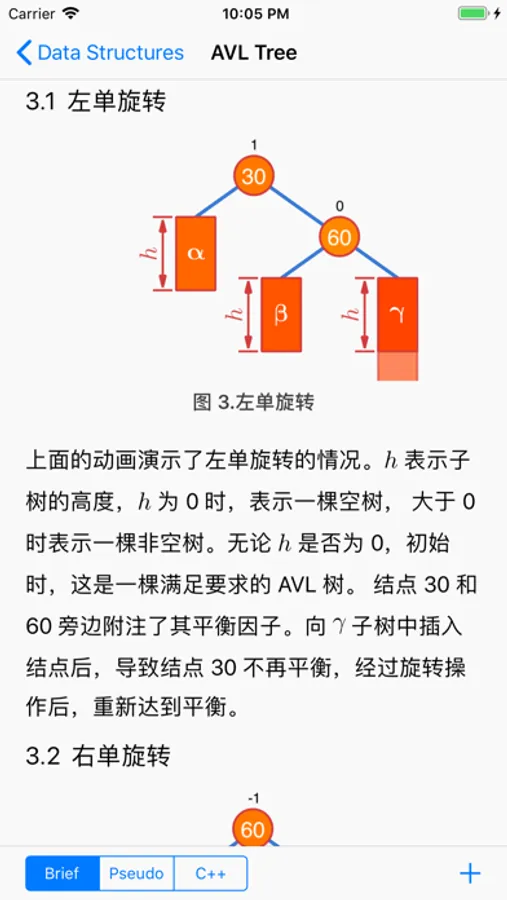
2. Tree structures, including binary tree, binary search tree, AVL tree, red-black tree, and heap. In this app, you can dynamically debug three traversals of the binary tree (including non-recursive traversal implementations), searching in the tree, balance adjustments in the AVL tree and red-black tree, and heap sorting. Give you the ability of handwritten red-black trees.
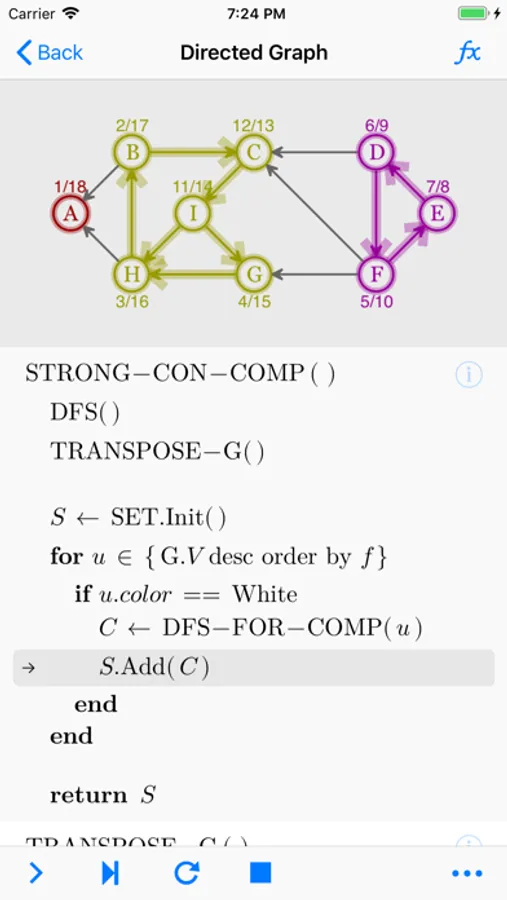
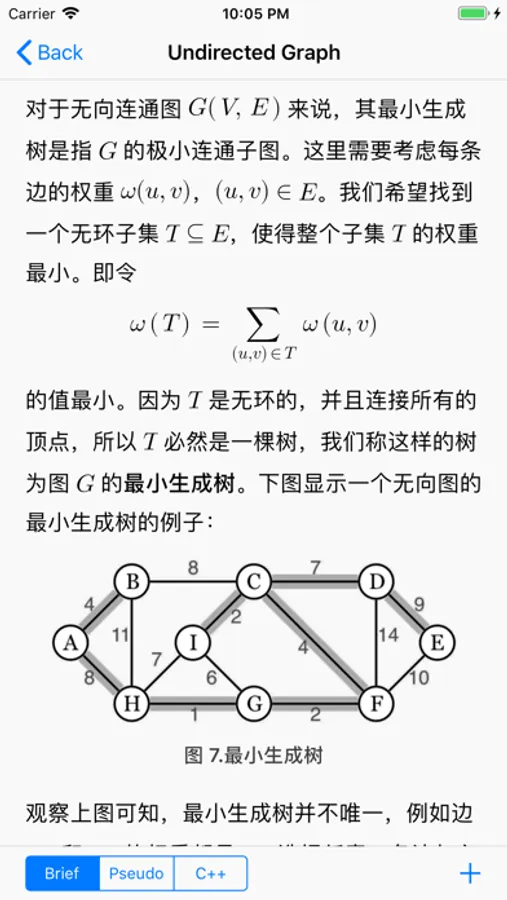
3. Graph structure, including the adjacency list storage representation of the graph structure, depth-first search and breadth-first search, finding the Euler path in the graph, topological sorting, maximum connected components, minimum spanning tree problem, and shortest single source Path problem. It also provides dynamic debugging of these classic graph algorithms.
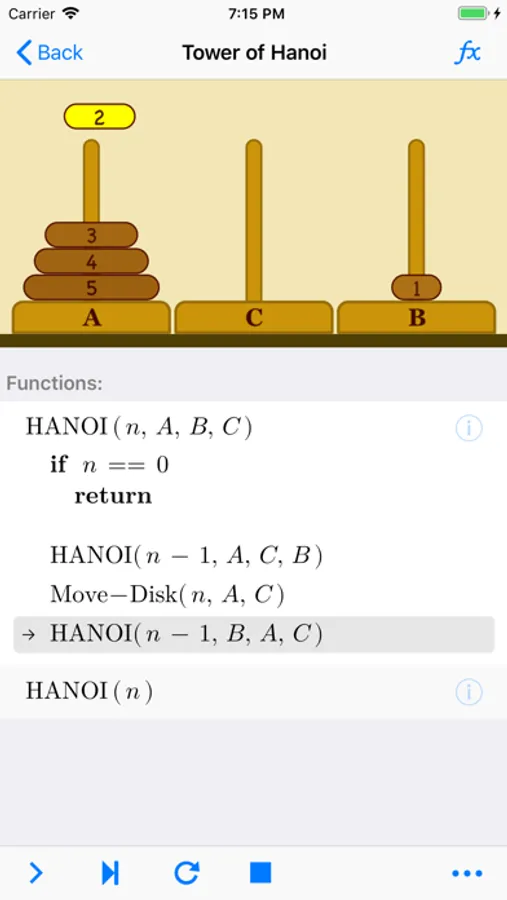
4. The data structure introductory class will talk about the problem of the Tower of Hanoi. The algorithm that solves this problem is often recursive. This app provides dynamic debugging of the Tower of Hanoi problem, so you can no longer be confused about the recursive calls of the Tower of Hanoi.
1. Linear structures, including arrays, linked lists, queues, stacks. Linear structures are the basis for other advanced data structures, as fine as advanced algorithms.
2. Tree structures, including binary tree, binary search tree, AVL tree, red-black tree, and heap. In this app, you can dynamically debug three traversals of the binary tree (including non-recursive traversal implementations), searching in the tree, balance adjustments in the AVL tree and red-black tree, and heap sorting. Give you the ability of handwritten red-black trees.
3. Graph structure, including the adjacency list storage representation of the graph structure, depth-first search and breadth-first search, finding the Euler path in the graph, topological sorting, maximum connected components, minimum spanning tree problem, and shortest single source Path problem. It also provides dynamic debugging of these classic graph algorithms.
4. The data structure introductory class will talk about the problem of the Tower of Hanoi. The algorithm that solves this problem is often recursive. This app provides dynamic debugging of the Tower of Hanoi problem, so you can no longer be confused about the recursive calls of the Tower of Hanoi.
Data Structure Display Screenshots
Tap to Rate:
Reviews for Data Structure Display
Lateo89
Super useful for studying DSA.
This is a great app and definitely worth supporting the developer! The interactive parts and pseudo code are absolutely excellent.
akss
Nice reference
The app is good, but has only cheatsheets, no exercises.