About DITUPA
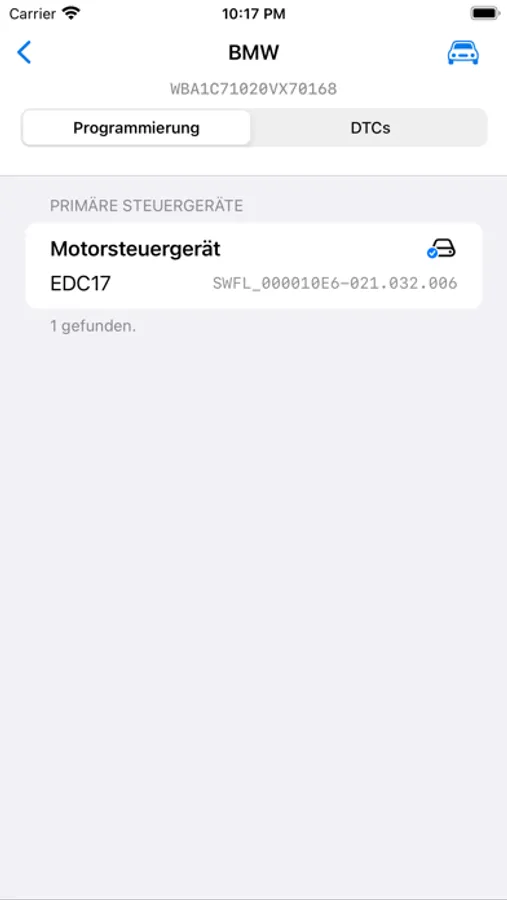
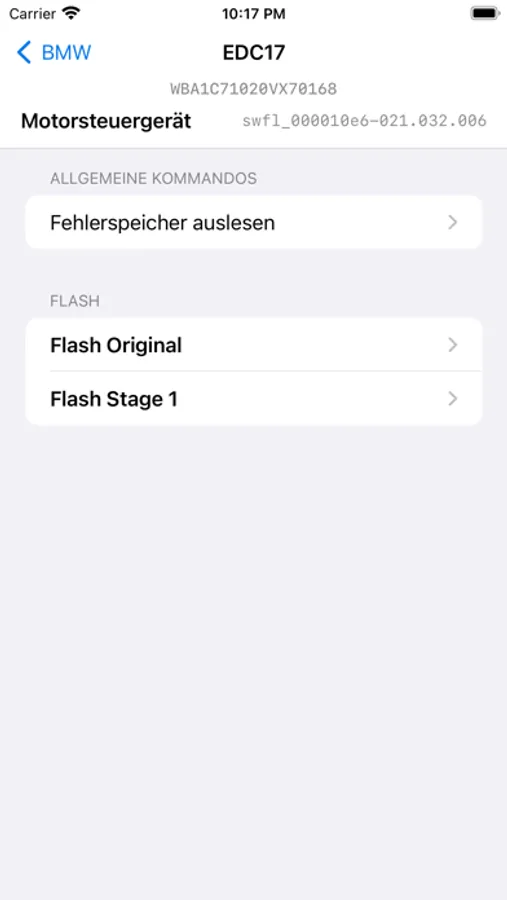
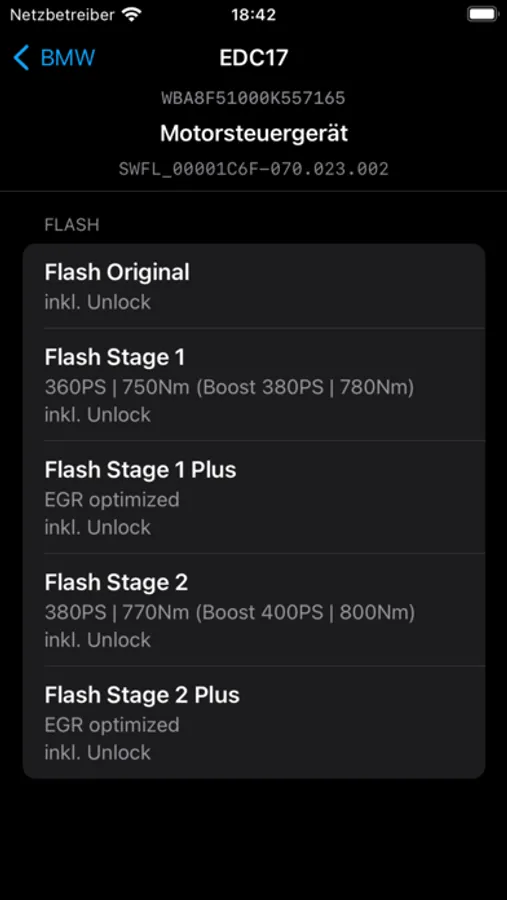
The DITUPA Flash Tuning app allows you to transfer predefined calibration files to the engine control unit of a diesel car via a standard OBD adapter (Wi-Fi or ENET). The calibrations were developed based on near-production parameter values. The basic structure of the control unit programming is not changed. No emission control systems are deactivated or tampered with.
Technical features:
- Calibration is only activated when the engine is at operating temperature (via coolant temperature monitoring).
- Protection strategies for limiting torque and exhaust temperature remain active or are supplemented.
- The application integrates continuous monitoring of critical component temperatures (e.g., exhaust temperature upstream of the DPF, turbocharger).
- CAN communication between the engine control unit and other control units (e.g., ESP, ABS, transmission) is not affected by the calibration.
- The on-board diagnostic functions remain fully intact. Diagnostic Trouble Codes (DTCs) are not filtered or suppressed.
- The software does not contain any switching logic or dynamic load-dependent interventions in emission-relevant control variables.
- The injection parameters are adjusted within the tolerance windows provided by the original ECU strategy. The goal is more harmonious power delivery in everyday operation.
Technical features:
- Calibration is only activated when the engine is at operating temperature (via coolant temperature monitoring).
- Protection strategies for limiting torque and exhaust temperature remain active or are supplemented.
- The application integrates continuous monitoring of critical component temperatures (e.g., exhaust temperature upstream of the DPF, turbocharger).
- CAN communication between the engine control unit and other control units (e.g., ESP, ABS, transmission) is not affected by the calibration.
- The on-board diagnostic functions remain fully intact. Diagnostic Trouble Codes (DTCs) are not filtered or suppressed.
- The software does not contain any switching logic or dynamic load-dependent interventions in emission-relevant control variables.
- The injection parameters are adjusted within the tolerance windows provided by the original ECU strategy. The goal is more harmonious power delivery in everyday operation.
DITUPA Screenshots
Tap to Rate: