
About BactiSee
BactiSee - Your Microbial Analysis Companion
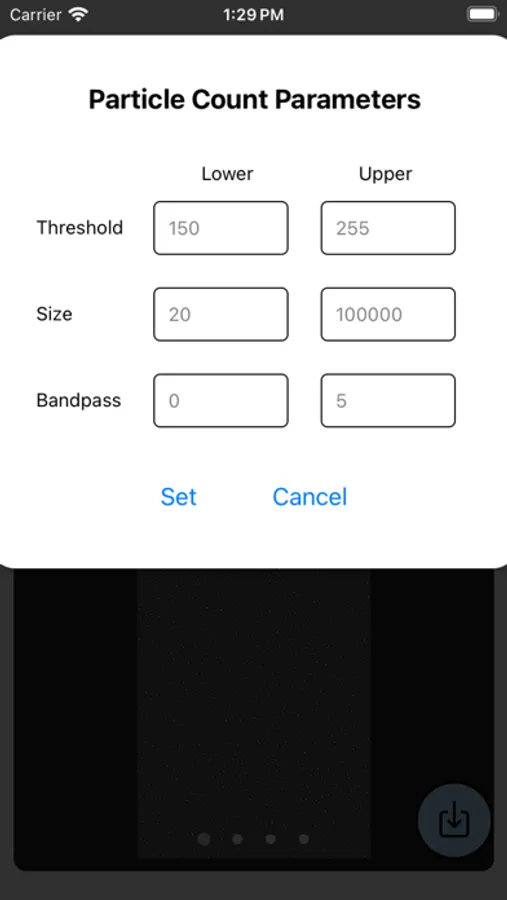
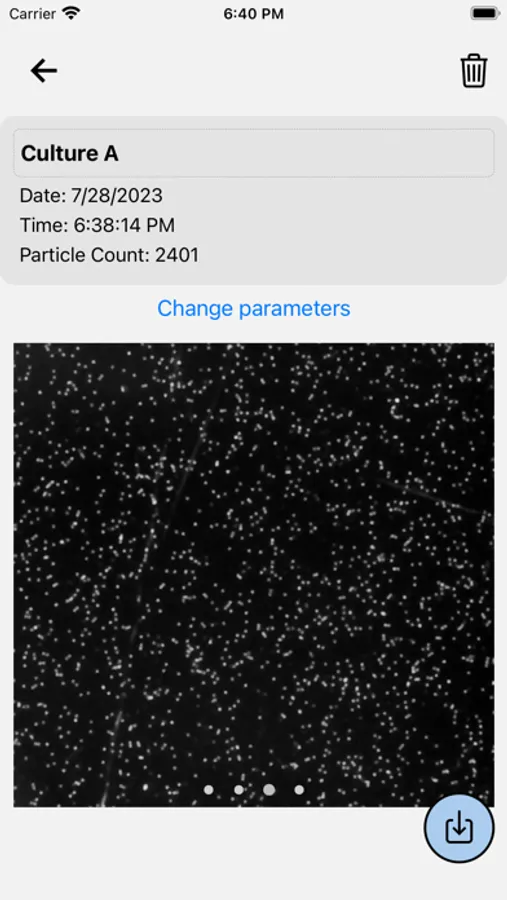
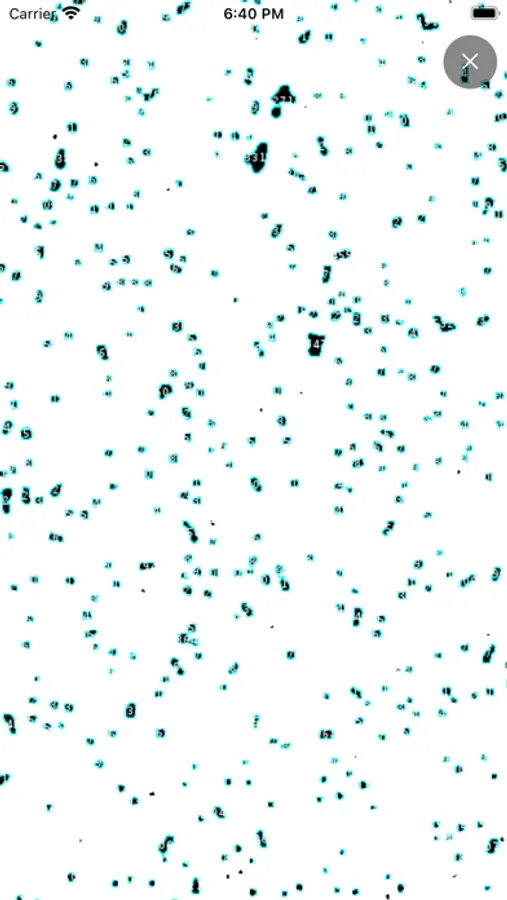
Welcome to BactiSee, the ultimate tool tailored for researchers and scientists to effortlessly count bacteria in microscope images. Our app empowers you with cutting-edge features to streamline your analysis process, and it all happens right on your device, without compromising your data's security.
Key Features:
Image Import: Import images from your gallery or capture new ones with your device's camera, ensuring a diverse range of samples for analysis.
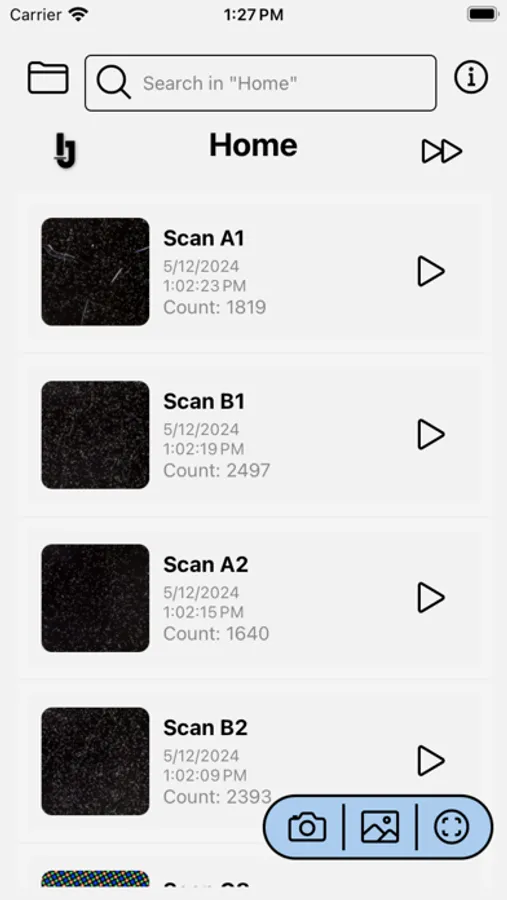
Intuitive Renaming: Organize your scans with ease by renaming them, allowing you to locate specific samples swiftly.
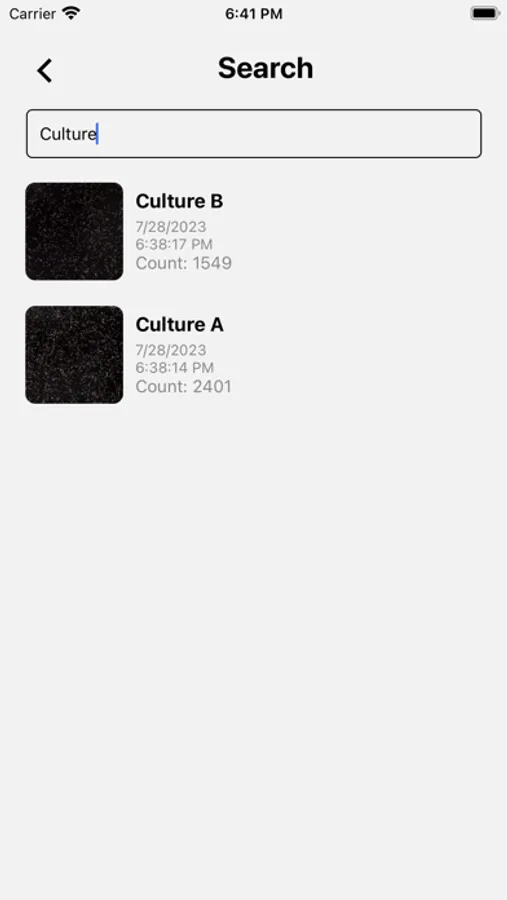
Quick Search: Locate specific scans based on their names, saving you valuable time during your busy research sessions.
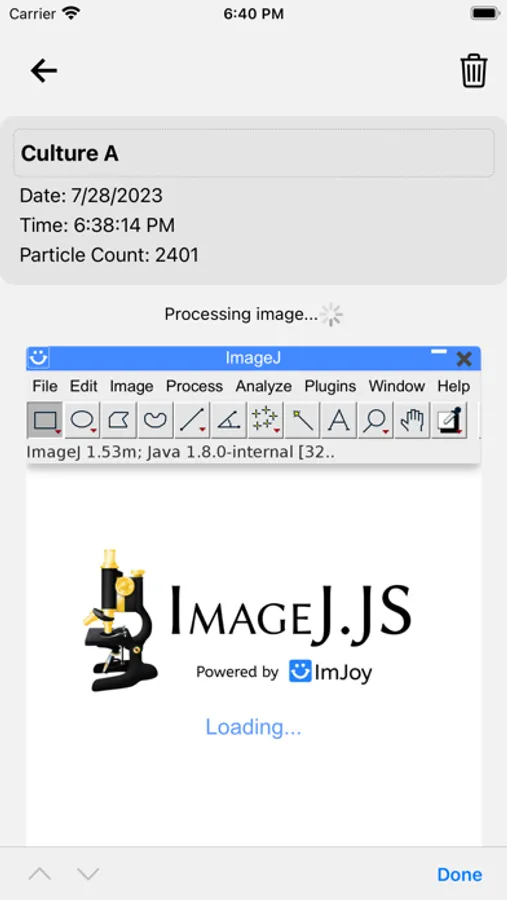
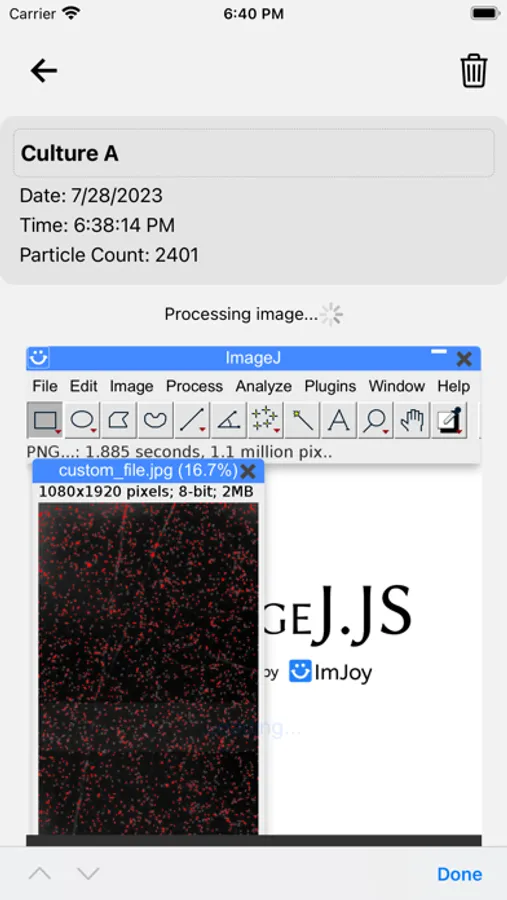
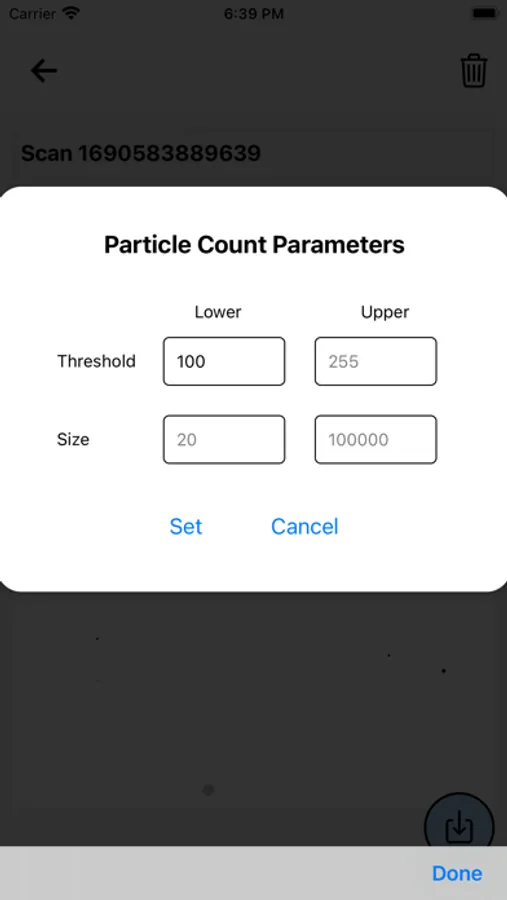
ImageJ.JS Integration: Harness the power of ImageJ.JS, ensuring precise and efficient image processing directly on your device.
Data Security: Rest easy knowing that your scans and data stay within your device, and no images are uploaded to external servers.
Seamless Export: After analysis, effortlessly export your processed images to the gallery, enabling easy integration with your workflow and scientific publications.
Minimalist UI: Focus solely on your research without distraction, thanks to BactiSee's clean and minimal user interface.
Enhance your scientific endeavors with BactiSee - the app designed to simplify bacterial analysis while preserving the precision you demand. Experience the convenience of conducting your research on-the-go with our intuitive and powerful tools.
Embrace the future of microbial analysis - download BactiSee now and elevate your research to new heights!
(Note: All images and microscope samples used in the app's promotional material are for illustrative purposes only.)
Made by
Suraj Pathak, M.S. CS, Manning College of Information and Computer Sciences, University of Massachusetts, Amherst
Yuzhen Zhang, PhD. Food Science, Department of Food Science, University of Massachusetts, Amherst
Lili He, Professor and Department Head, Department of Food Science, University of Massachusetts, Amherst
Welcome to BactiSee, the ultimate tool tailored for researchers and scientists to effortlessly count bacteria in microscope images. Our app empowers you with cutting-edge features to streamline your analysis process, and it all happens right on your device, without compromising your data's security.
Key Features:
Image Import: Import images from your gallery or capture new ones with your device's camera, ensuring a diverse range of samples for analysis.
Intuitive Renaming: Organize your scans with ease by renaming them, allowing you to locate specific samples swiftly.
Quick Search: Locate specific scans based on their names, saving you valuable time during your busy research sessions.
ImageJ.JS Integration: Harness the power of ImageJ.JS, ensuring precise and efficient image processing directly on your device.
Data Security: Rest easy knowing that your scans and data stay within your device, and no images are uploaded to external servers.
Seamless Export: After analysis, effortlessly export your processed images to the gallery, enabling easy integration with your workflow and scientific publications.
Minimalist UI: Focus solely on your research without distraction, thanks to BactiSee's clean and minimal user interface.
Enhance your scientific endeavors with BactiSee - the app designed to simplify bacterial analysis while preserving the precision you demand. Experience the convenience of conducting your research on-the-go with our intuitive and powerful tools.
Embrace the future of microbial analysis - download BactiSee now and elevate your research to new heights!
(Note: All images and microscope samples used in the app's promotional material are for illustrative purposes only.)
Made by
Suraj Pathak, M.S. CS, Manning College of Information and Computer Sciences, University of Massachusetts, Amherst
Yuzhen Zhang, PhD. Food Science, Department of Food Science, University of Massachusetts, Amherst
Lili He, Professor and Department Head, Department of Food Science, University of Massachusetts, Amherst
BactiSee Screenshots
Tap to Rate: