Tai Chi Martial Applications
YMAA Publication Center, Inc.
5.0 ★
8 ratings
Free
AppRecs review analysis
AppRecs rating 4.5. Trustworthiness 84 out of 100. Review manipulation risk 27 out of 100. Based on a review sample analyzed.
★★★★☆
4.5
AppRecs Rating
Ratings breakdown
5 star
100%
4 star
0%
3 star
0%
2 star
0%
1 star
0%
What to know
✓
Low review manipulation risk
27% review manipulation risk
✓
Credible reviews
84% trustworthiness score from analyzed reviews
✓
High user satisfaction
100% of sampled ratings are 5 stars
About Tai Chi Martial Applications
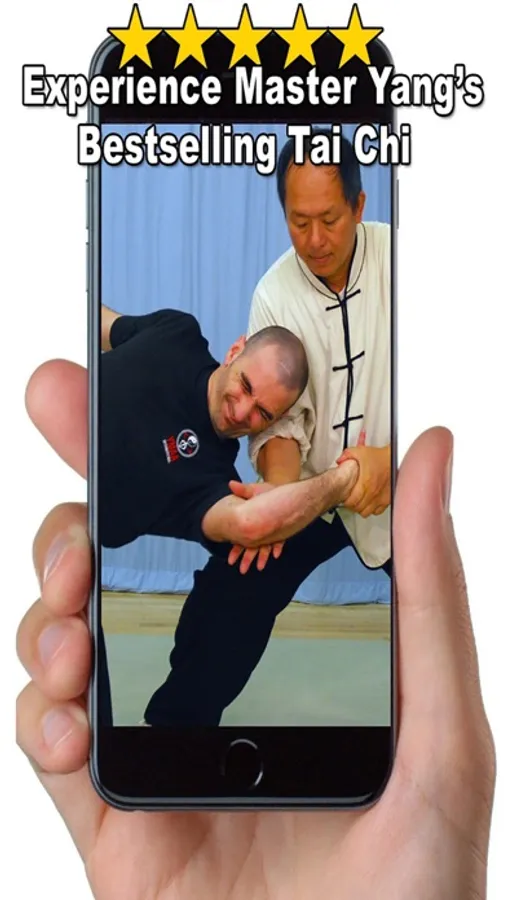
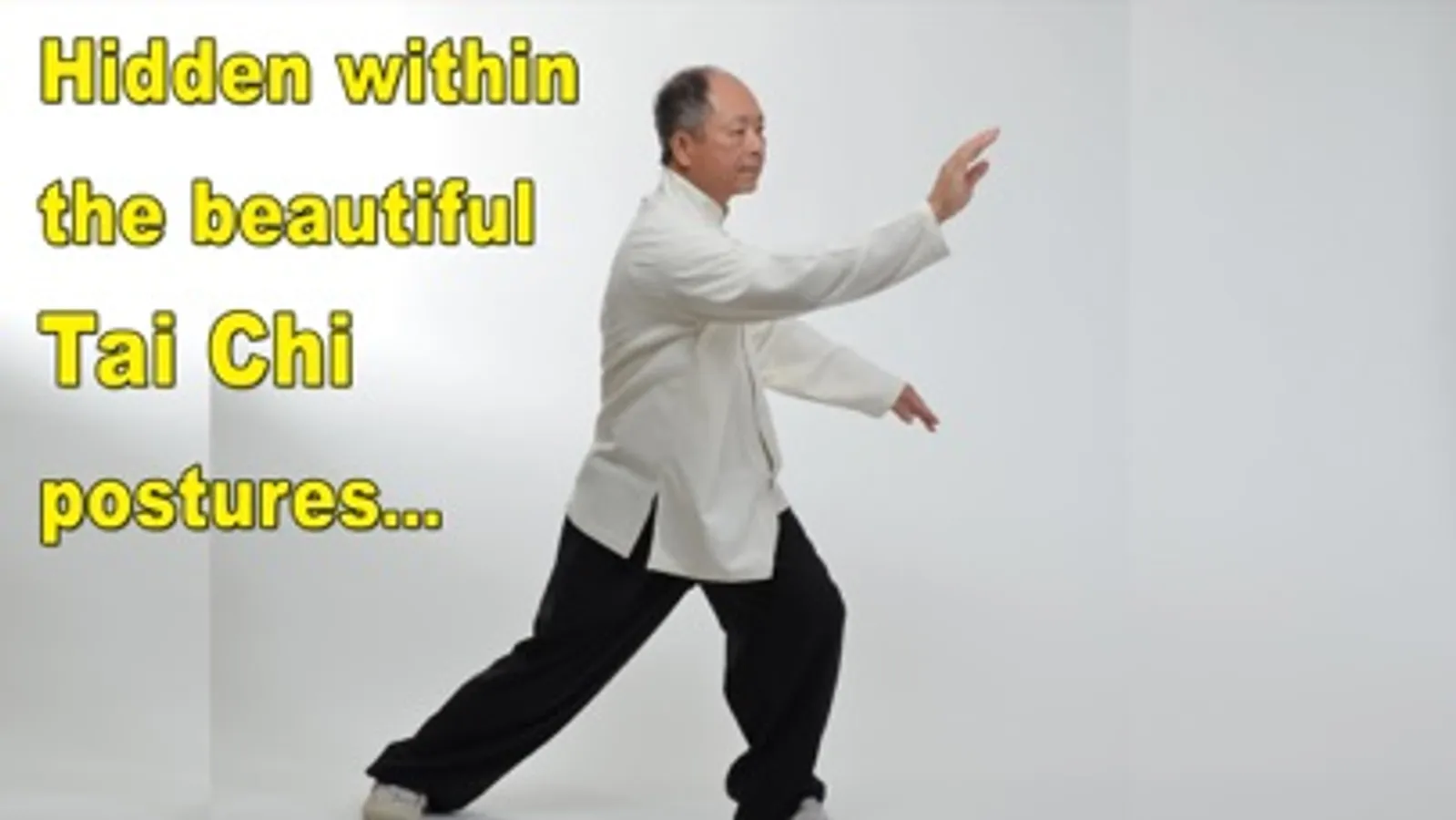
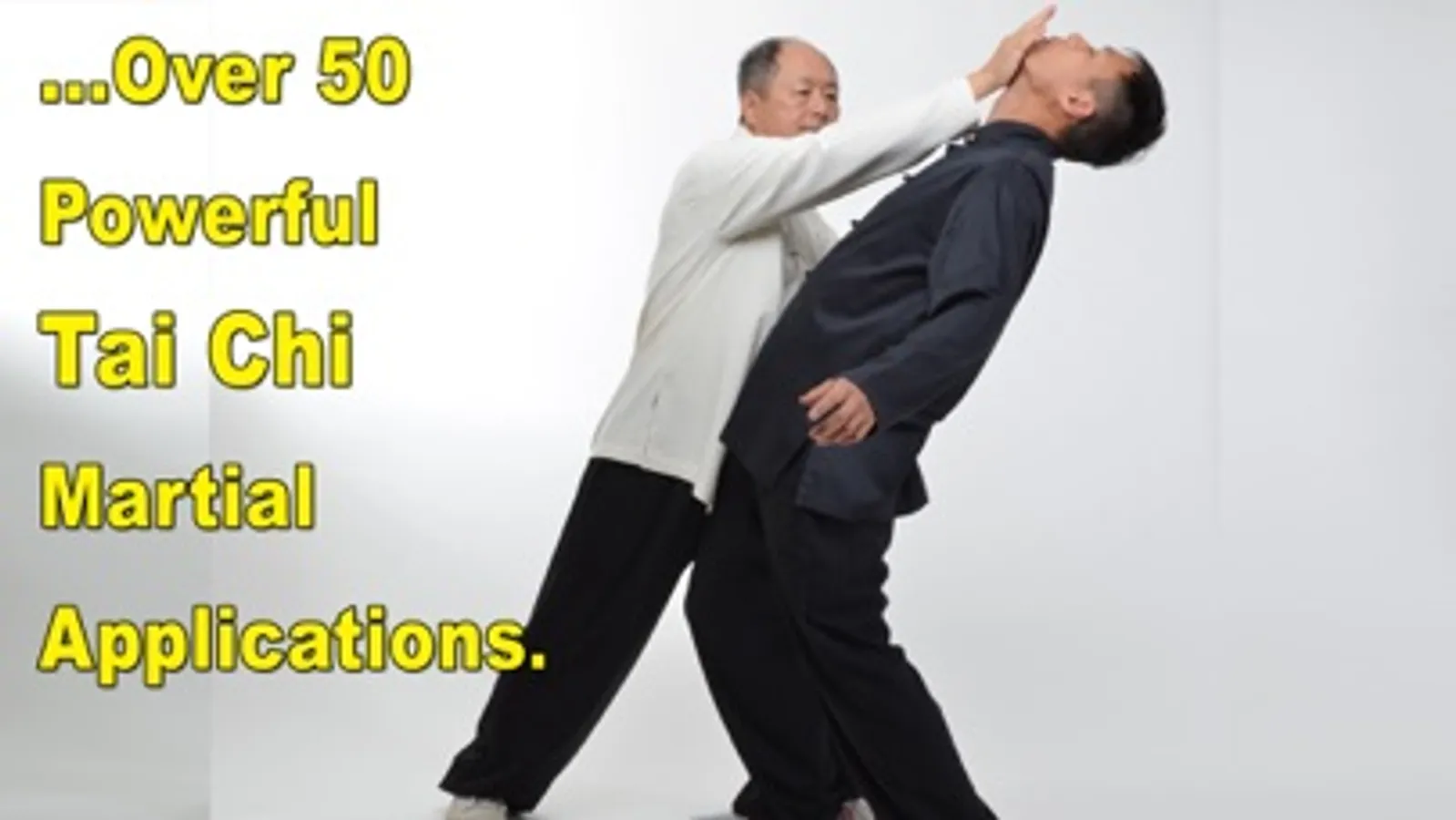
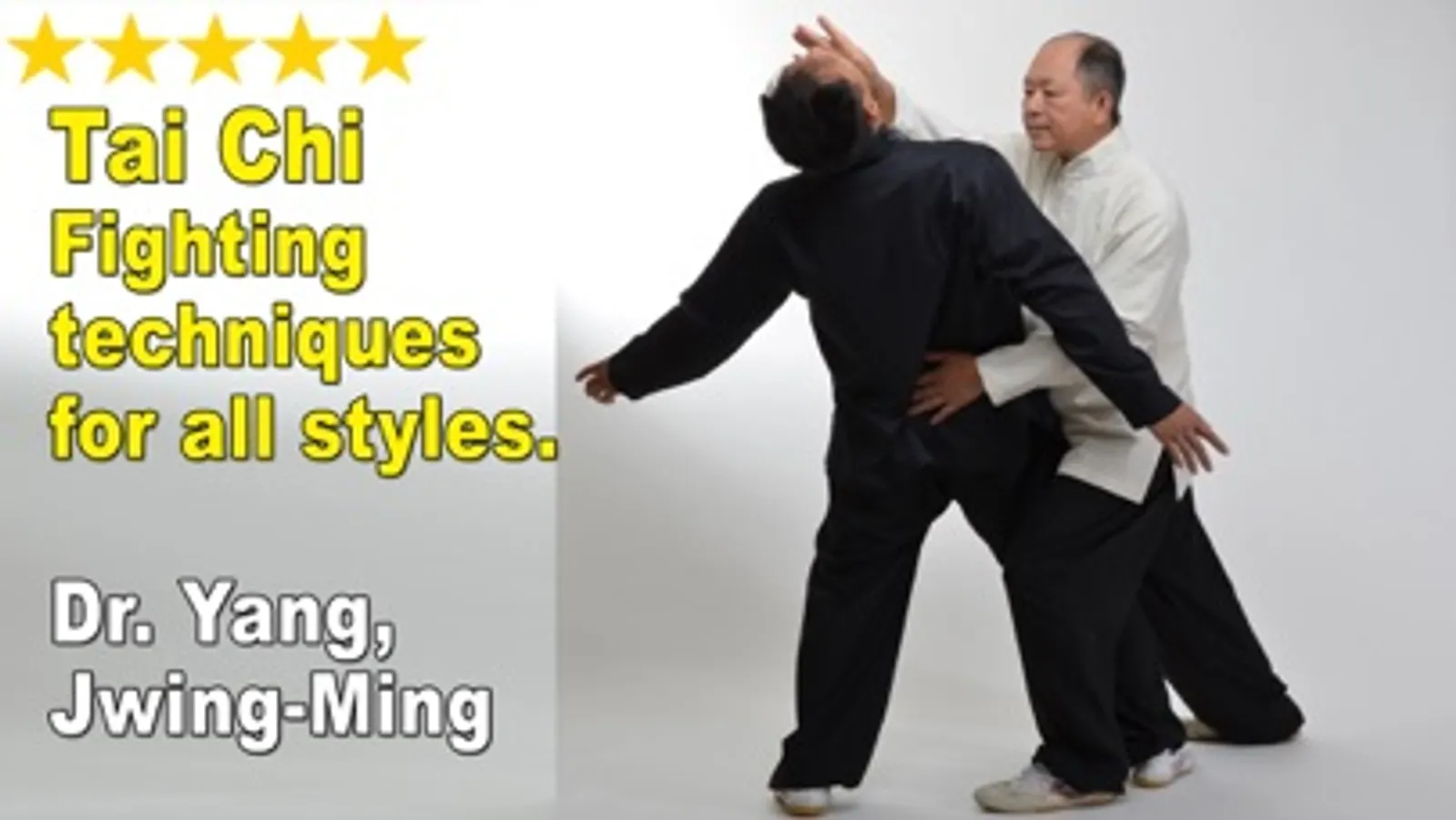
• Learn 50 movements hidden within Tai Chi.
• Fighting applications for any Tai Chi style.
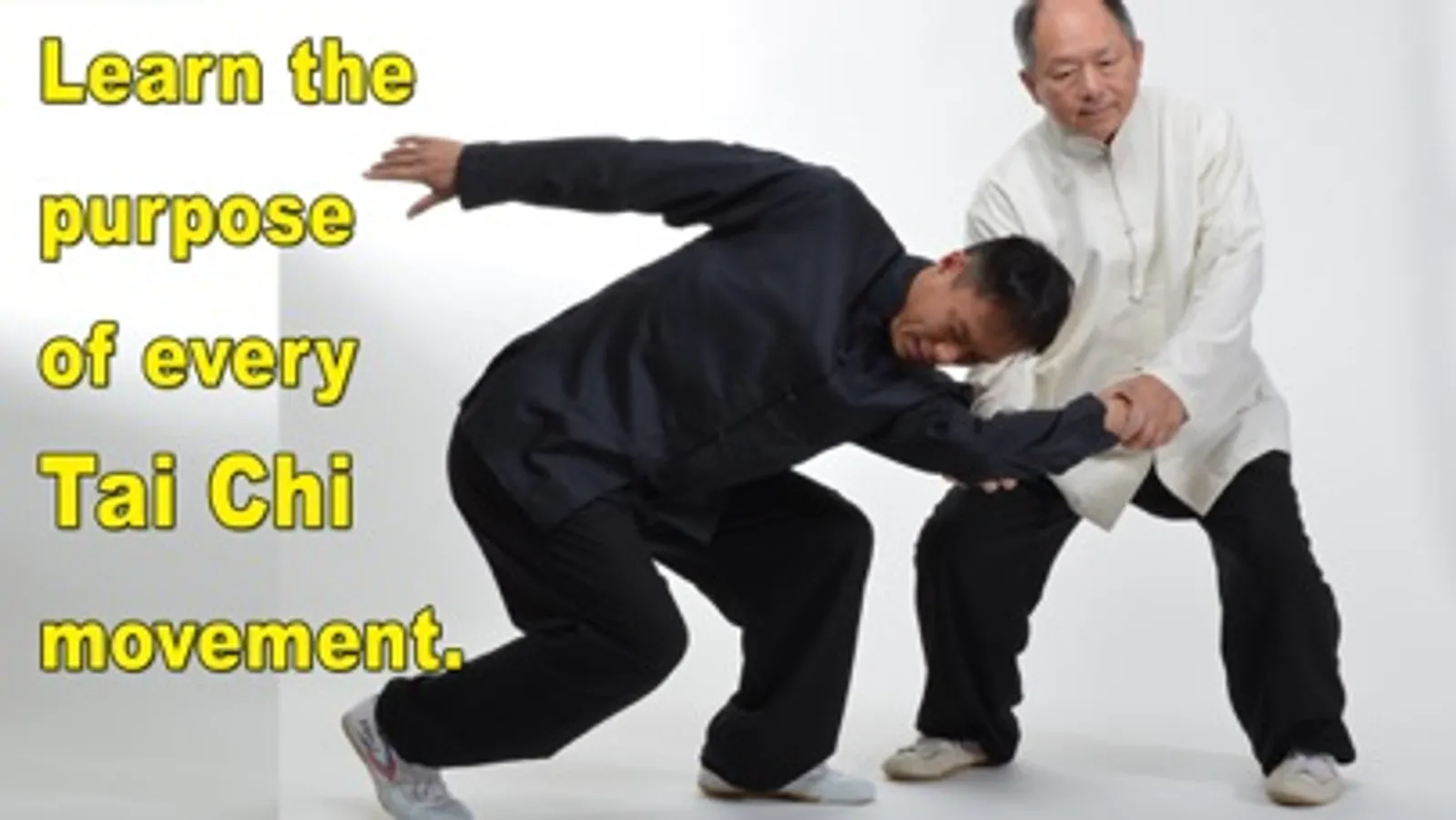
• Detailed step-by-step instruction from Master Yang.
• English Subtitles / closed-captioning.
• Stream or download hours of lessons, like a private class.
Taijiquan (Tai Chi Chuan) is an ancient internal Chinese martial art which has gained widespread popularity for its many health benefits. Today, most people practice taiji slowly to develop their balance, strength, and vitality, and the martial applications of the art are often ignored. Taijiquan, or 'Grand Ultimate Fist', is a highly effective form of combat specializing in short and middle-range fighting.
These video lessons offer practical martial applications for each of the 37-postures of traditional Taiji, based on the forms passed down by Yang, Ban-Hou. Once the viewer has a basic understanding of these universal principles, you may use them to devise further applications for every movement no matter which style of Taiji you practice.
In China, t'ai chi ch'uan is categorized under the Wudang grouping of Chinese martial arts, which are applied with internal power (jing), using Qi (energy). The history of the basic postures in the Yang form can be traced back through Wudang mountain to Shaolin Temple, developed from a series of movements originating from "Chang Quan" (Long Fist, a reference to the winding Long River, another name for the Yangtze). Around 800 AD, a philosopher named Xu, Xuan-Ping is credited for developing a long Kung Fu of 37 forms, which included these common Tai Chi movements:
• Play the Guitar
• Single Whip
• Step Up to Seven Stars
• Jade Lady Works the Shuttles
• High Pat on Horse
• Phoenix Flaps Its Wings
"Taiji Chang Quan" existed in many variations, and eventually evolved into Taijiquan. Other forms of the same era such as "Heavenly-Inborn Style", "Nine Small Heavens", and "Acquired Kung Fu" also show similarities to what later became Taijiquan. The principles of softness, sticking, adhering, and using the opponent's own momentum against himself were established in these precursory martial styles. Bodhidharma's teaching at the Buddhist Shaolin Temple, which detailed the theory of using the mind to lead the Qi to energize the physical body, is widely considered the origin of all Internal Martial Arts, including Tai Chi.
Dr. Yang's tai chi can be traced back to the Yang family through Grandmaster Kao, Tao (高濤) and his teacher Yue, Huanzhi (樂奐之), an indoor disciple of Yang, Chengfu (楊澄甫).
Thank you for downloading our app! We are striving to make the best possible video apps available.
Sincerely,
The team at YMAA Publication Center, Inc.
(Yang’s Martial Arts Association)
CONTACT: apps@ymaa.com
VISIT: www.YMAA.com
WATCH: www.YouTube.com/ymaa
Tai Chi Martial Applications Screenshots
Tap to Rate:
Reviews for Tai Chi Martial Applications
Qi Breather
Taiji master in my living room!
This video app is fantastic. There’s enough here to train for years. These are the details about the tai chi form that you can only learn in person from a qualified tai chi master in a traditional Chinese martial arts school, and even then…good luck finding anyone who knows this much ( or shares this much) about what each tai chi posture contains, with basic applications and ‘ hidden’ applications.
GulfBob
Hours of Training
An in-depth examination and demonstration of the theory and marital use of Tai Chi. Shows multiple applications for every posture in detail. Clear and easy to follow. Easier to refine your form when you learn the reasons for the energy flows. A bargain considering the hours of instruction.