AppRecs review analysis
AppRecs rating 4.2. Trustworthiness 80 out of 100. Review manipulation risk 23 out of 100. Based on a review sample analyzed.
★★★★☆
4.2
AppRecs Rating
Ratings breakdown
5 star
80%
4 star
0%
3 star
0%
2 star
0%
1 star
20%
What to know
✓
Low review manipulation risk
23% review manipulation risk
✓
Credible reviews
80% trustworthiness score from analyzed reviews
✓
High user satisfaction
80% of sampled ratings are 4+ stars (4.2★ average)
About MAPPP
Despite the considerable efficacy of antithrombotics and the increased number of oral anticoagulants now available, preventable bleeding and thrombotic events are still unacceptably common. While recently marketed agents require less laboratory monitoring, problems with the clinical management of anticoagulated patients persist, particularly in the peri-procedural period.
Surgery and invasive medical interventions increase the risk of bleeding, while withholding anticoagulants increases the risk of thrombosis due to the underlying condition(s) for which anticoagulation was originally prescribed. The clinical team must therefore balance these competing risks and make educated decisions regarding the decision to interrupt oral anticoagulation for a medical procedure and, if interrupted, whether to "bridge" anticoagulation with injectable anticoagulants, such as low molecular weight heparin (LMWH) in warfarin treated patients.
This guide is intended to:
-Assist clinicians in the simultaneous evaluation of procedure-related bleeding risk and underlying risk of thrombosis
-Guide decisions regarding the interruption of anticoagulation and the use of anticoagulant "bridging"
-Provide detailed guidance for drug dosing and laboratory monitoring in the peri-procedural period
-Encourage clear communication between clinicians involved in prescribing anticoagulants and performing invasive procedures
This material was created by the multidisciplinary members of the Peri-Procedural Task Force of the New York State Anticoagulation Coalition and IPRO, the Medicare Quality Improvement Organization for New York State, under contract with the Centers for Medicare & Medicaid Services (CMS), an agency of the U.S. Department of Health and Human Services. The contents do not necessarily reflect CMS policy. 10SOW-NY-AIM-7.3-14-01
Surgery and invasive medical interventions increase the risk of bleeding, while withholding anticoagulants increases the risk of thrombosis due to the underlying condition(s) for which anticoagulation was originally prescribed. The clinical team must therefore balance these competing risks and make educated decisions regarding the decision to interrupt oral anticoagulation for a medical procedure and, if interrupted, whether to "bridge" anticoagulation with injectable anticoagulants, such as low molecular weight heparin (LMWH) in warfarin treated patients.
This guide is intended to:
-Assist clinicians in the simultaneous evaluation of procedure-related bleeding risk and underlying risk of thrombosis
-Guide decisions regarding the interruption of anticoagulation and the use of anticoagulant "bridging"
-Provide detailed guidance for drug dosing and laboratory monitoring in the peri-procedural period
-Encourage clear communication between clinicians involved in prescribing anticoagulants and performing invasive procedures
This material was created by the multidisciplinary members of the Peri-Procedural Task Force of the New York State Anticoagulation Coalition and IPRO, the Medicare Quality Improvement Organization for New York State, under contract with the Centers for Medicare & Medicaid Services (CMS), an agency of the U.S. Department of Health and Human Services. The contents do not necessarily reflect CMS policy. 10SOW-NY-AIM-7.3-14-01
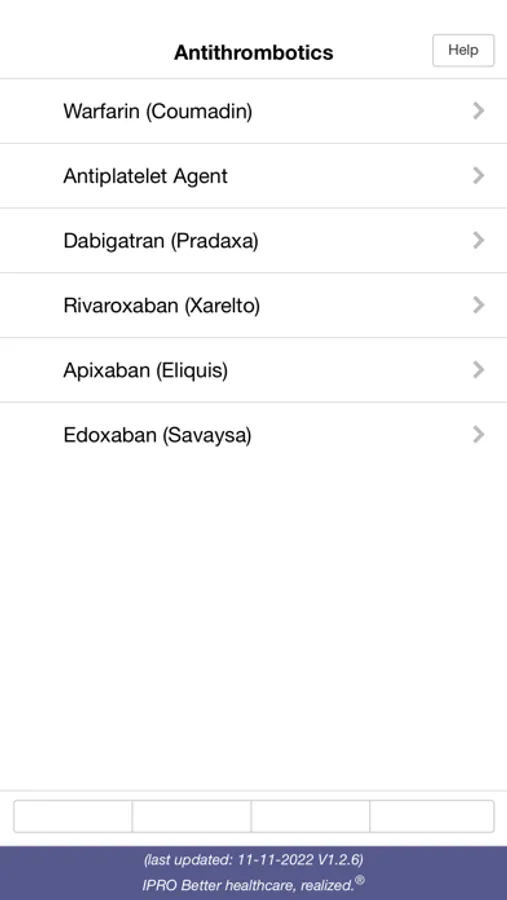
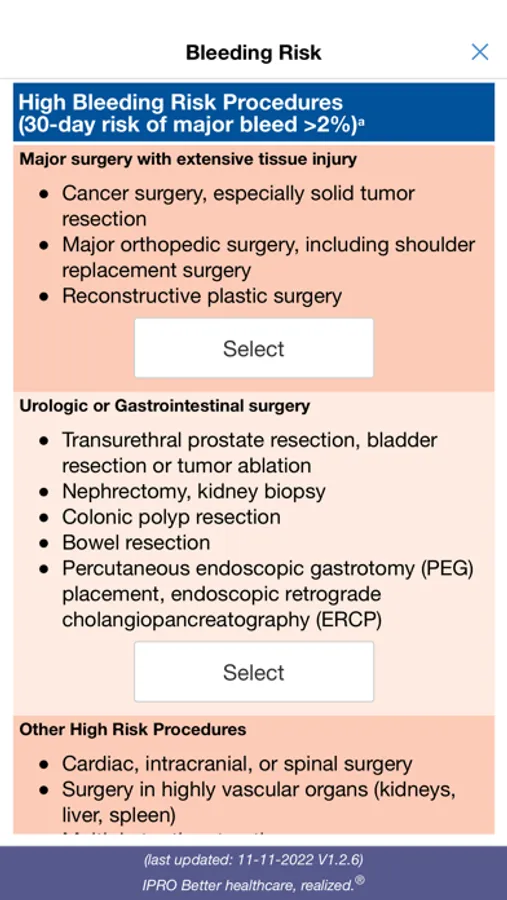
MAPPP Screenshots


Tap to Rate:
Reviews for MAPPP
E snap
Useful guide
Easy to understand and navigate menus for managing different anticoagulation medications in different clinical procedures.
257953885673794685387
Agreement screen
Couldn't get past initial screen to accept agreement. Used iPhone 6