
About AGLV521 MÉTODO DE RUGAI
Experiment Objectives:
Apply the Rugai method to detect intestinal parasites.
Interpret individual results of parasitological analysis.
Organize the procedure for efficient analysis of multiple samples.
Implement essential biosafety measures for diagnosis.
Practical Applications:
The Rugai method is vital in the early identification of strongyloidiasis, helping to treat and control this prevalent disease.
Experiment Step by Step:
Prepare a fresh stool sample wrapped in gauze inside a sedimentation cup with heated water.
Allow larvae to migrate into the water by positive thermohydrotropism.
Evaluate the sediment on a glass slide under an optical microscope.
Safety first:
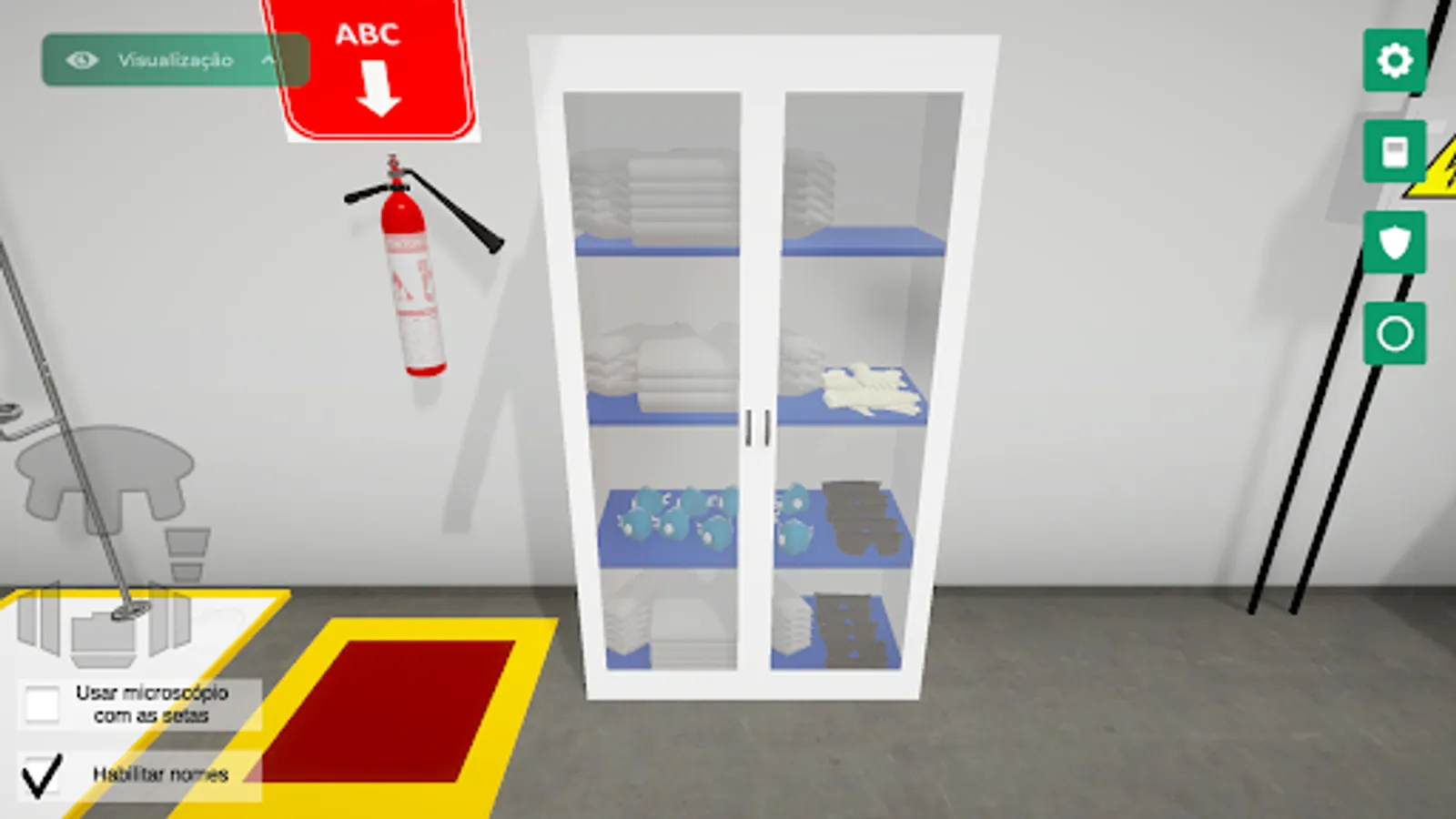
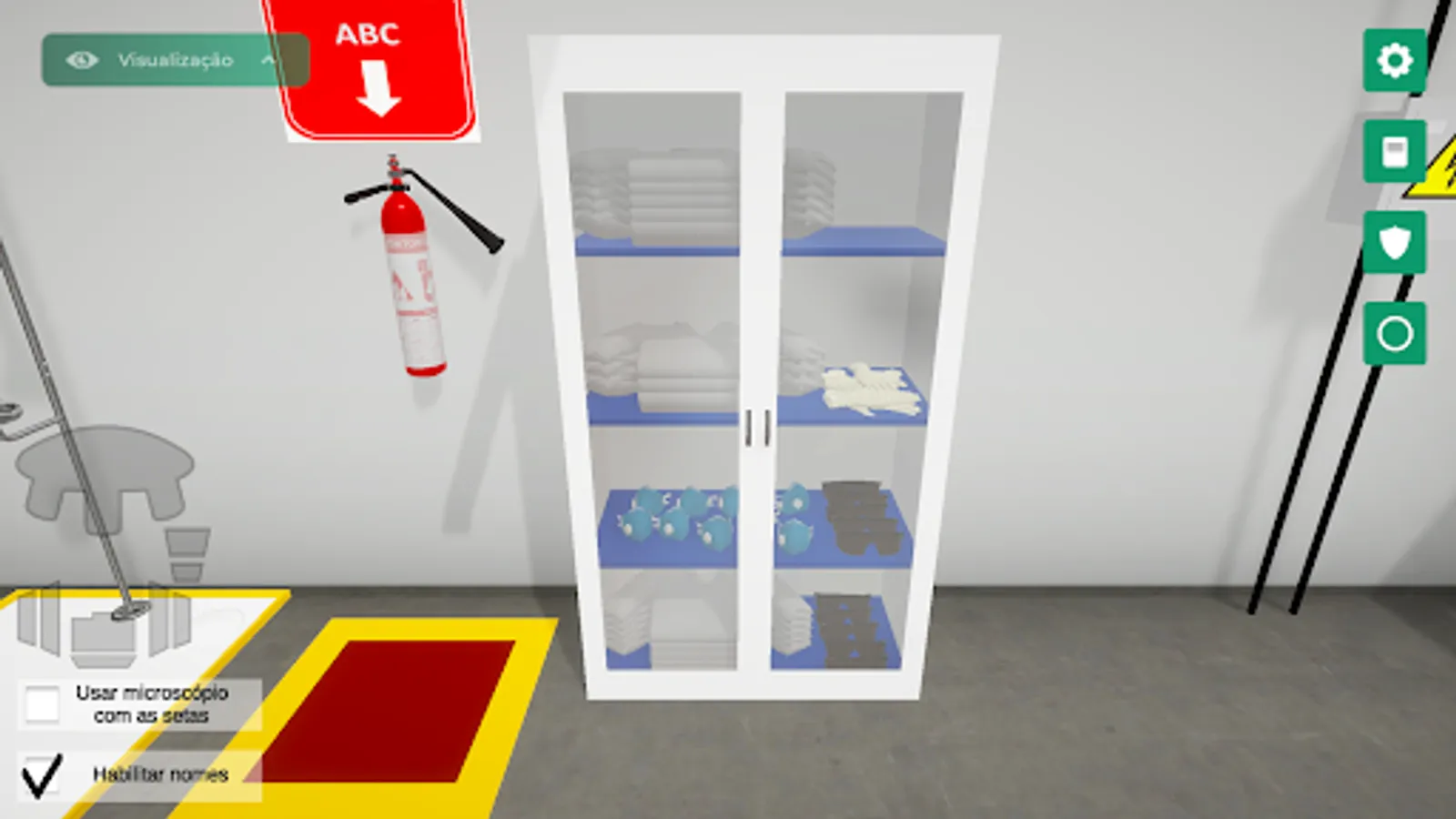
Wear a lab coat, latex gloves, goggles and mask throughout the procedure.
Adopt strict hygiene and decontamination practices to prevent contamination risks.
Experiment Scenario:
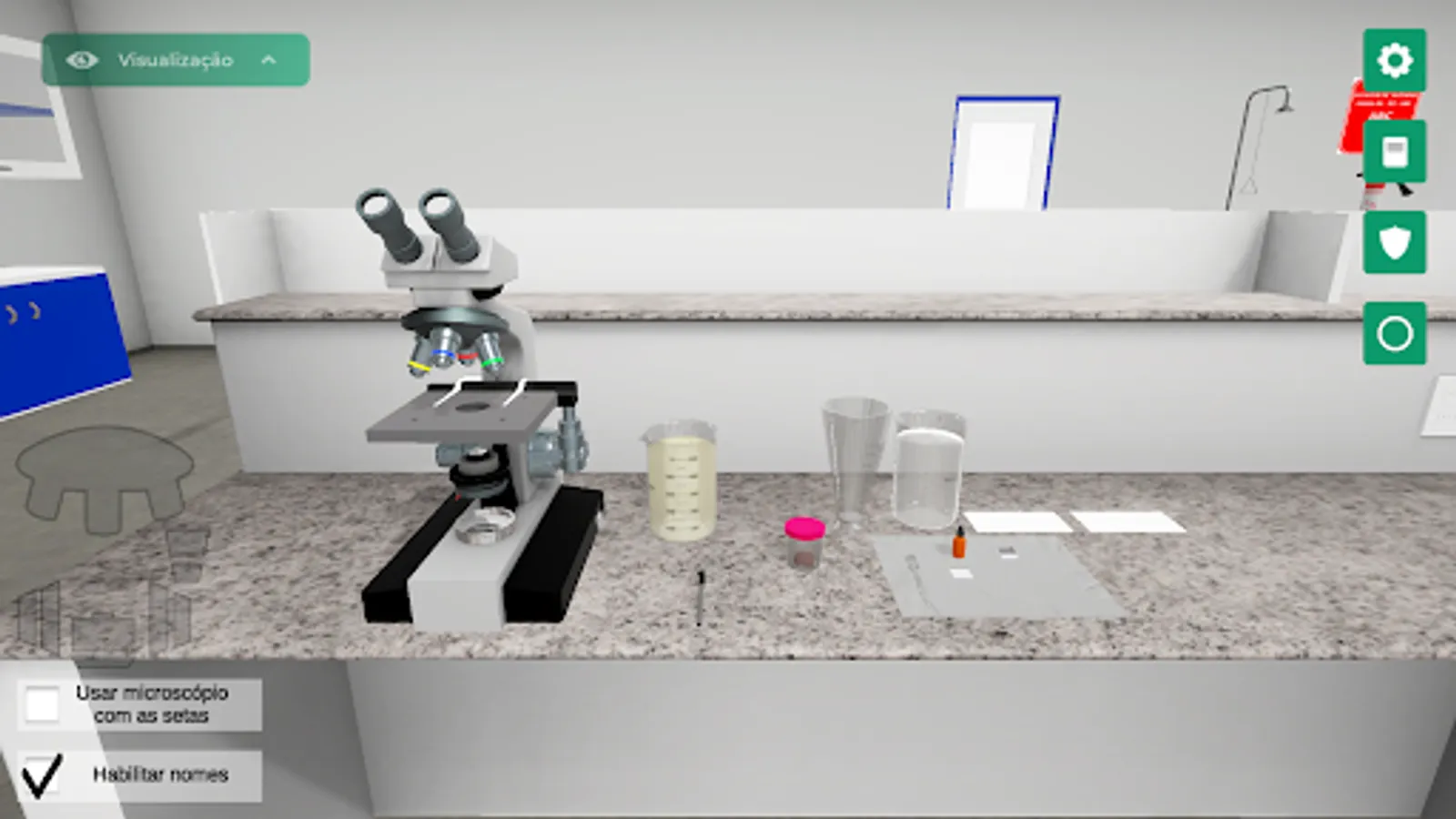
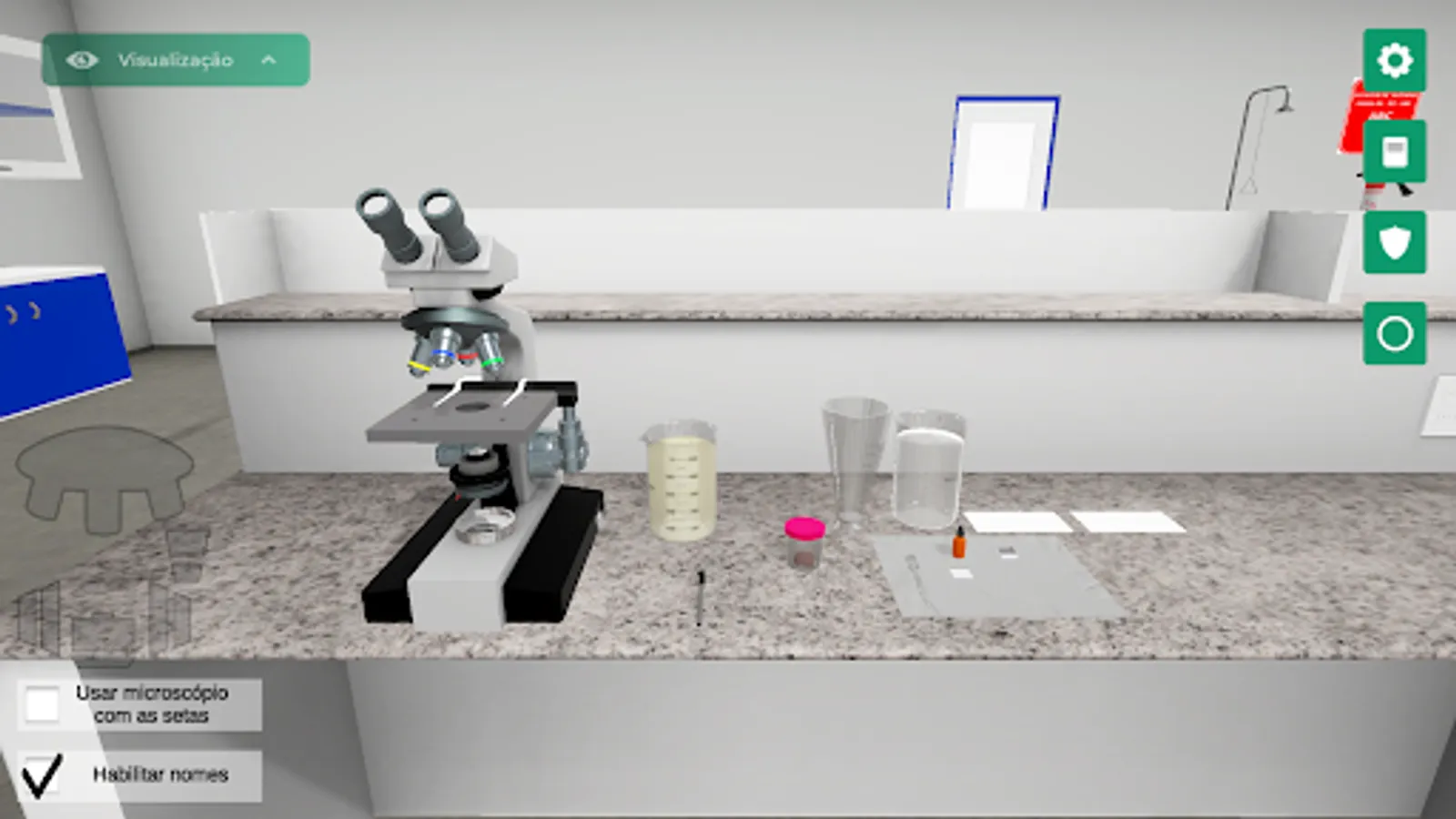
Perform the experiment in a clinical parasitology laboratory equipped with horizontal benches and optical microscopes.
Apply the Rugai method to detect intestinal parasites.
Interpret individual results of parasitological analysis.
Organize the procedure for efficient analysis of multiple samples.
Implement essential biosafety measures for diagnosis.
Practical Applications:
The Rugai method is vital in the early identification of strongyloidiasis, helping to treat and control this prevalent disease.
Experiment Step by Step:
Prepare a fresh stool sample wrapped in gauze inside a sedimentation cup with heated water.
Allow larvae to migrate into the water by positive thermohydrotropism.
Evaluate the sediment on a glass slide under an optical microscope.
Safety first:
Wear a lab coat, latex gloves, goggles and mask throughout the procedure.
Adopt strict hygiene and decontamination practices to prevent contamination risks.
Experiment Scenario:
Perform the experiment in a clinical parasitology laboratory equipped with horizontal benches and optical microscopes.
AGLV521 MÉTODO DE RUGAI Screenshots
Tap to Rate: