
About AGLV 43 CARÁTER ÁCIDO-BÁSICO
1. OBJECTIVE
In this experiment, you will determine the pH of different everyday samples.
At the end of this experiment, you should be able to:
Identify acidic and basic samples through the action of indicators;
Check the color change of the litmus paper.
2. WHERE TO USE THESE CONCEPTS?
Understanding the acidic and/or basic characteristics of substances is of great importance, both in scientific work and in everyday life.
One of the main applications of bases, in everyday life, is in the production of soaps, in which oils and fats react with the base, sodium hydroxide, under heating and in an aqueous medium. In addition, there are other bases such as aqueous ammonia solution, also widely used as a cleaning product and to bleach hair and body hair. Measuring the pH of water is very common in swimming pools and it is often essential to correct the acidity, with the addition of suitable chemicals.
Acids are also very present in our daily lives. Sulfuric acid, for example, is highly corrosive and is widely used in the petrochemical industry, papermaking, dyes and car batteries. In food, a good example that is widely used is acetic acid, a component of vinegar, an essential seasoning in the kitchen.
3. THE EXPERIMENT
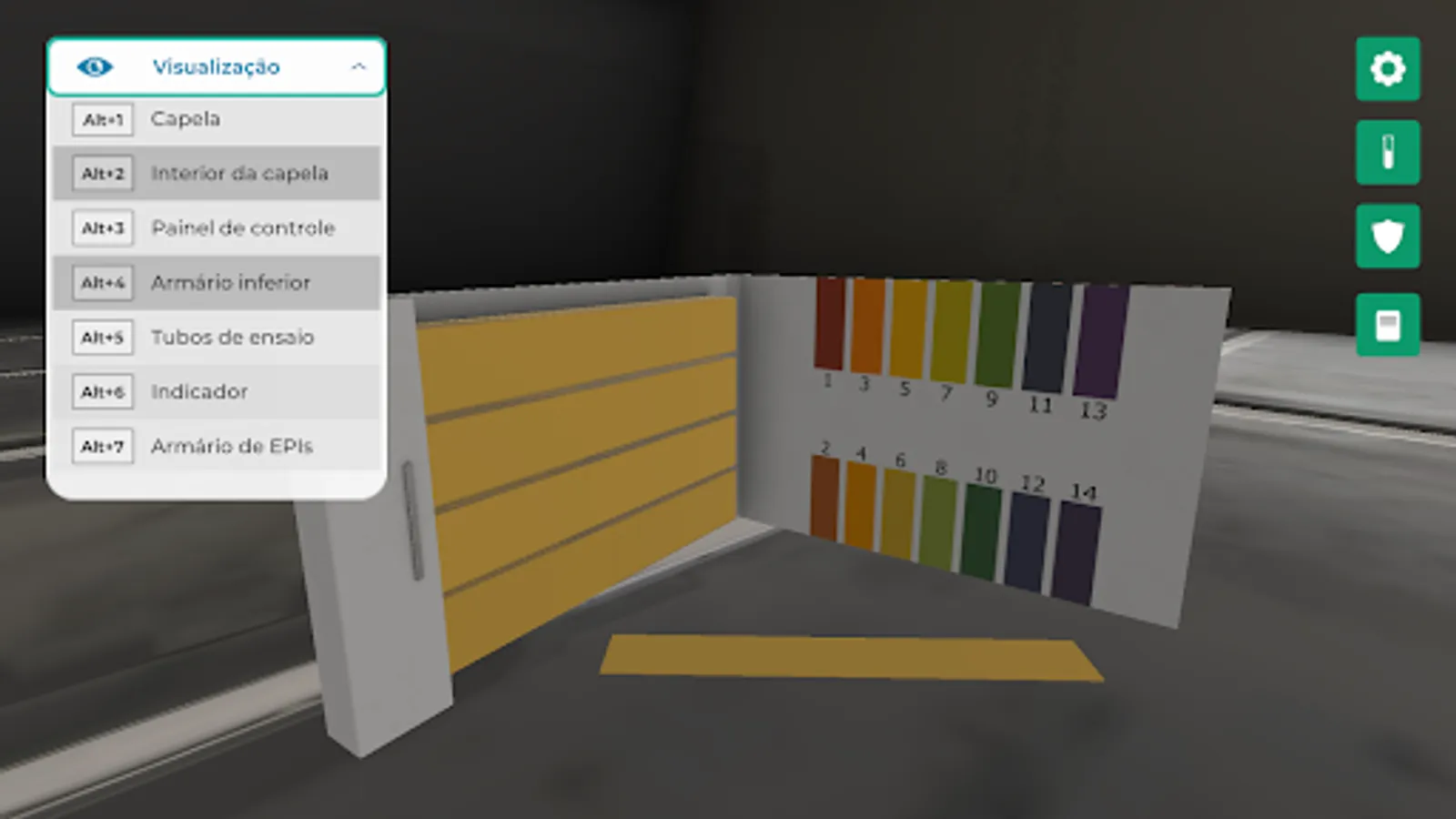
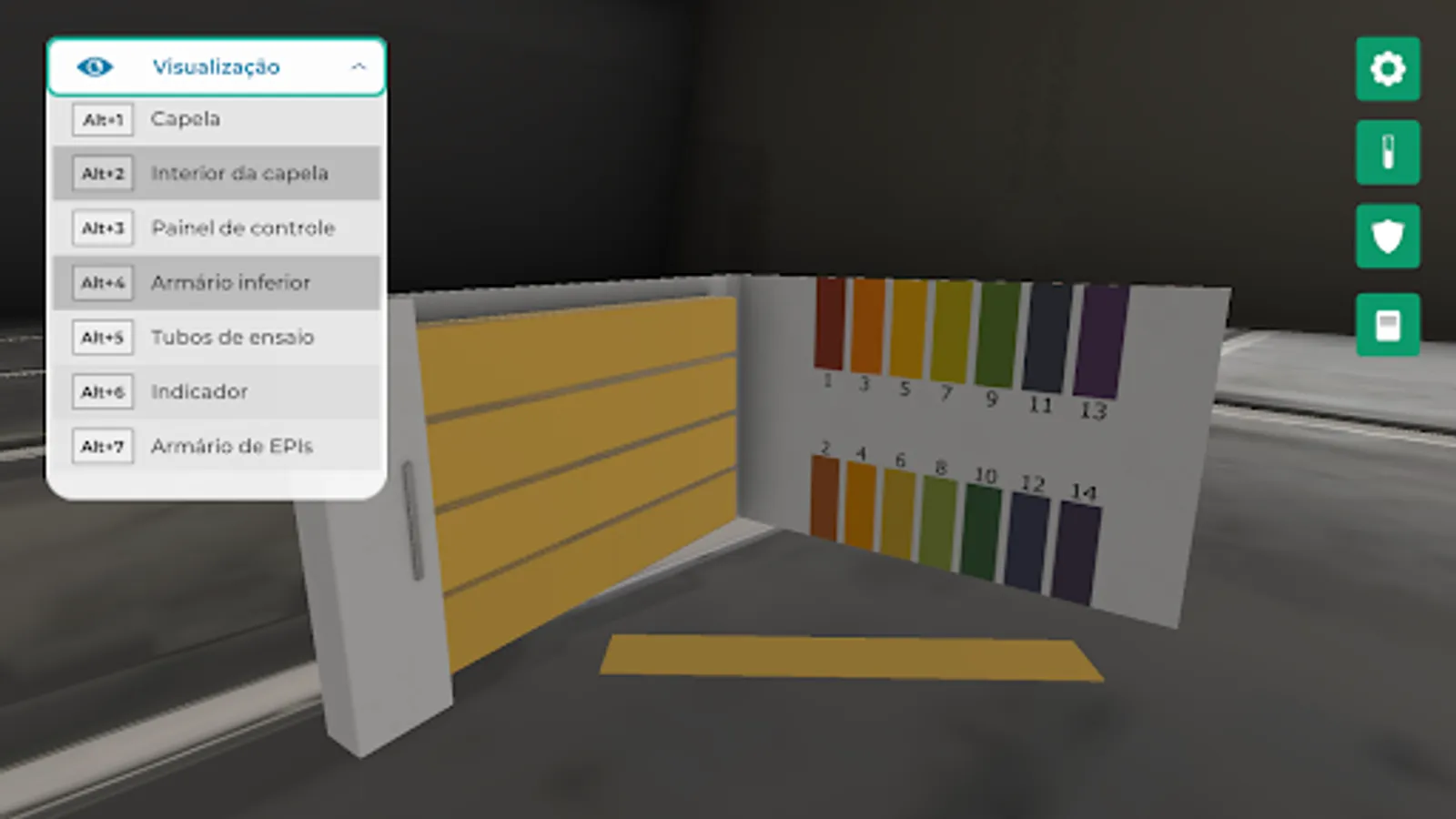
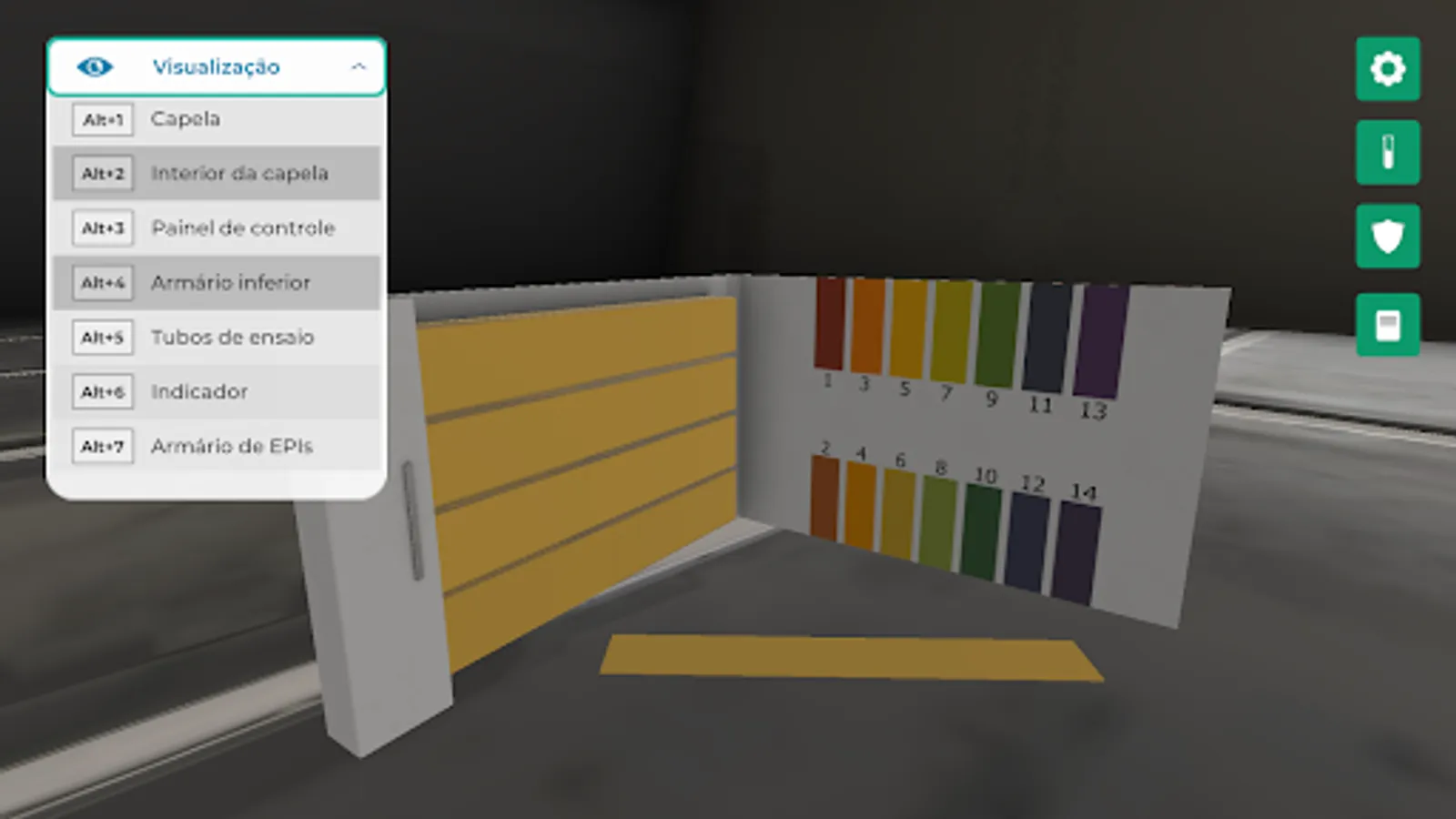
This experiment consists of using litmus paper to determine pH. The paper will be left in contact with the sample for a few seconds and then the result will be compared with a color standard.
4. SECURITY
In this practice, a lab coat, gloves and glasses will be used. These security items are essential to avoid direct contact with the solutions. Furthermore, it is important to carry out all steps inside the hood to avoid inhaling possible vapors released during the reaction.
5. SCENARIO
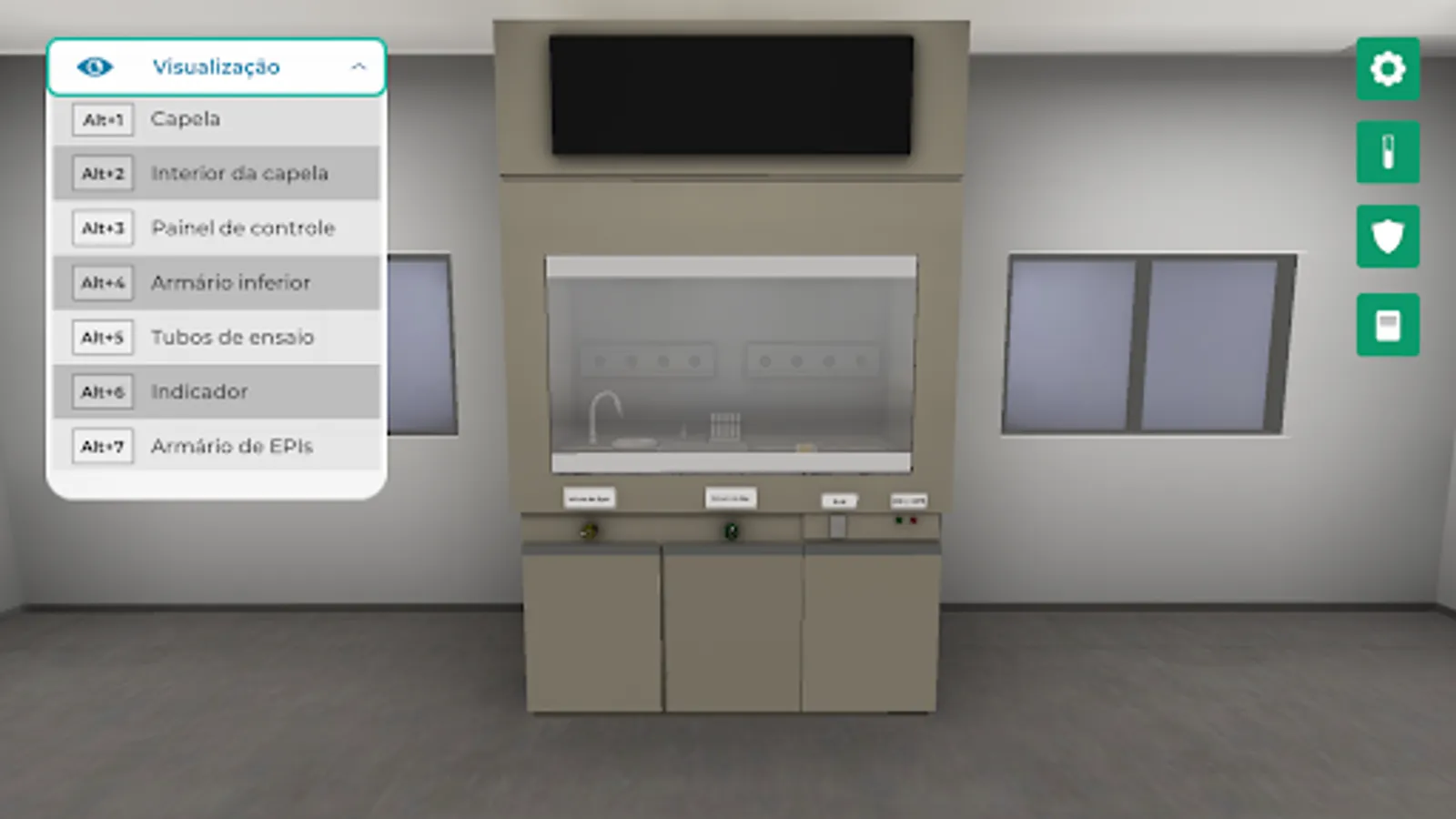
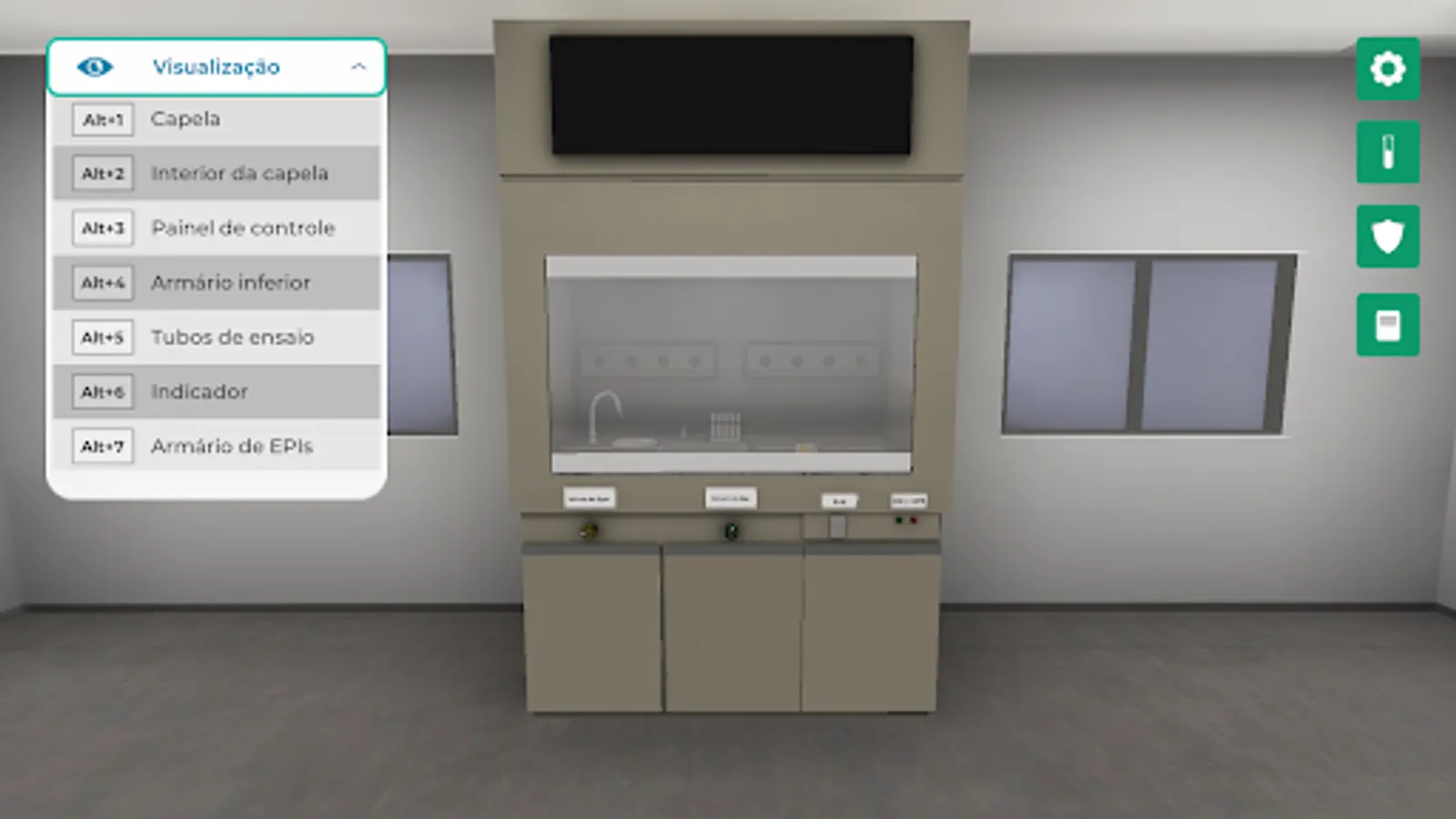
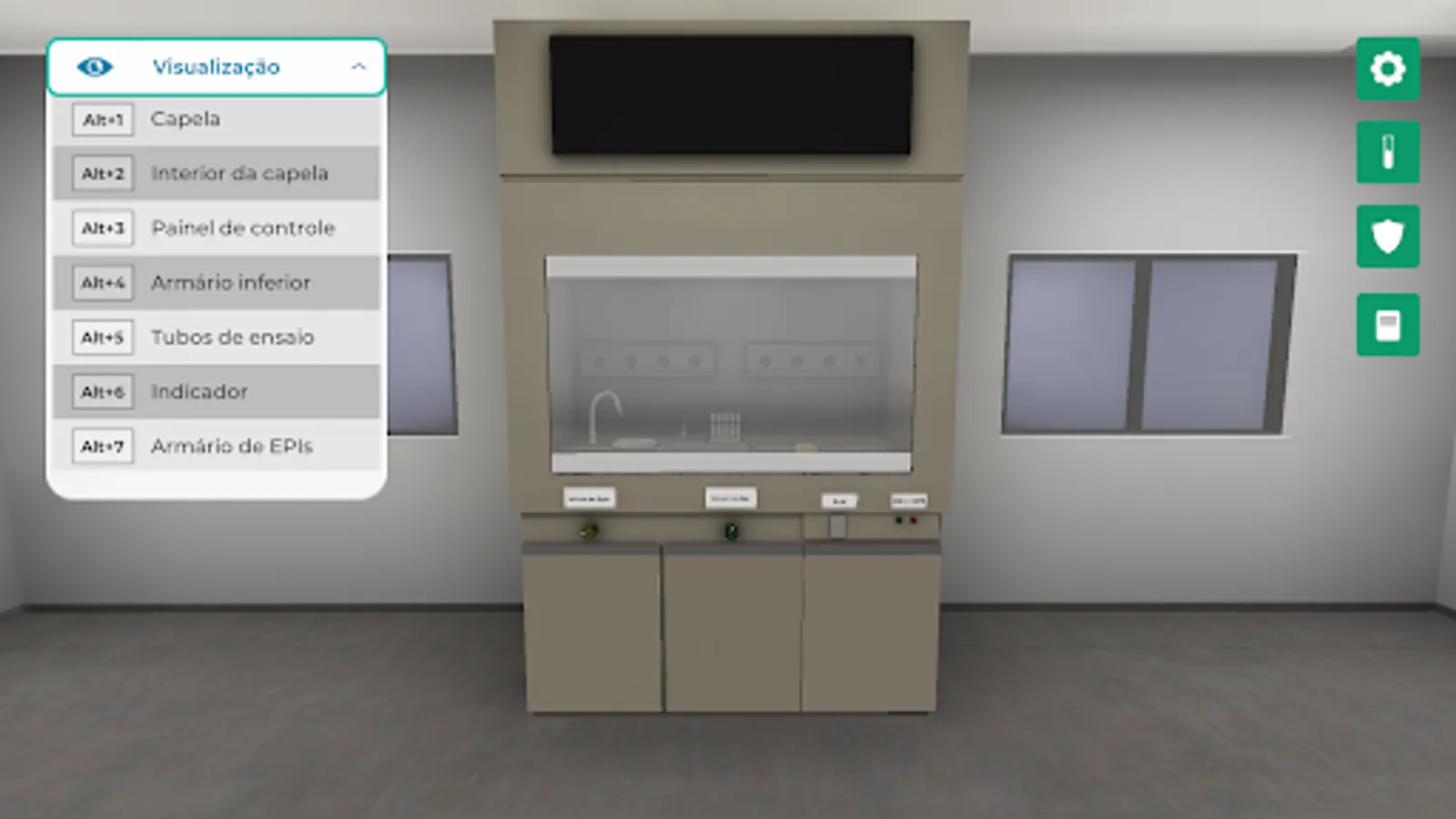
The experiment will be conducted in a fume hood. All items necessary to carry out the experiment are already inside the chapel.
In this experiment, you will determine the pH of different everyday samples.
At the end of this experiment, you should be able to:
Identify acidic and basic samples through the action of indicators;
Check the color change of the litmus paper.
2. WHERE TO USE THESE CONCEPTS?
Understanding the acidic and/or basic characteristics of substances is of great importance, both in scientific work and in everyday life.
One of the main applications of bases, in everyday life, is in the production of soaps, in which oils and fats react with the base, sodium hydroxide, under heating and in an aqueous medium. In addition, there are other bases such as aqueous ammonia solution, also widely used as a cleaning product and to bleach hair and body hair. Measuring the pH of water is very common in swimming pools and it is often essential to correct the acidity, with the addition of suitable chemicals.
Acids are also very present in our daily lives. Sulfuric acid, for example, is highly corrosive and is widely used in the petrochemical industry, papermaking, dyes and car batteries. In food, a good example that is widely used is acetic acid, a component of vinegar, an essential seasoning in the kitchen.
3. THE EXPERIMENT
This experiment consists of using litmus paper to determine pH. The paper will be left in contact with the sample for a few seconds and then the result will be compared with a color standard.
4. SECURITY
In this practice, a lab coat, gloves and glasses will be used. These security items are essential to avoid direct contact with the solutions. Furthermore, it is important to carry out all steps inside the hood to avoid inhaling possible vapors released during the reaction.
5. SCENARIO
The experiment will be conducted in a fume hood. All items necessary to carry out the experiment are already inside the chapel.
AGLV 43 CARÁTER ÁCIDO-BÁSICO Screenshots
Tap to Rate: