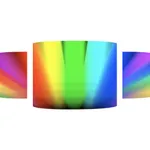
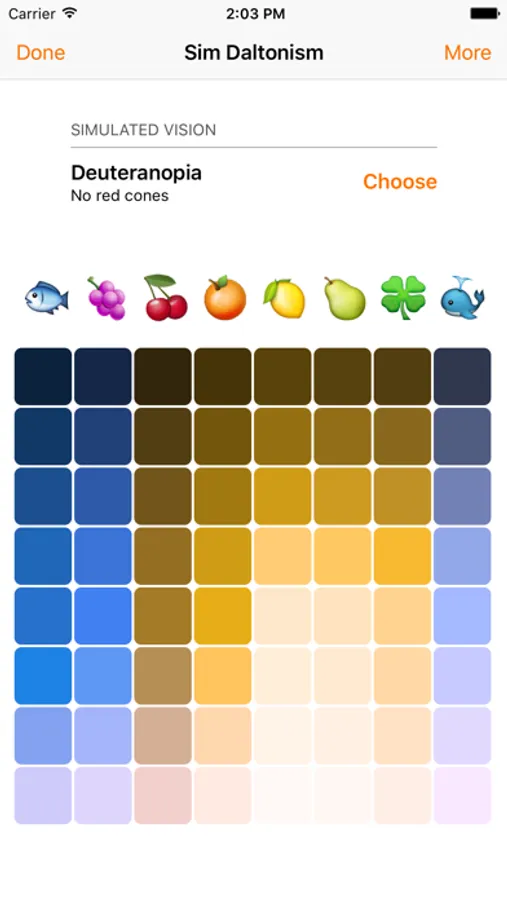
With this app, you can visualize colors as perceived by various types of color blindness using your camera. Includes simulated visions for red-green and blue-yellow color blindness, as well as monochromacy options.
AppRecs review analysis
AppRecs rating 4.8. Trustworthiness 65 out of 100. Review manipulation risk 26 out of 100. Based on a review sample analyzed.
★★★★☆
4.8
AppRecs Rating
Ratings breakdown
5 star
86%
4 star
9%
3 star
3%
2 star
2%
1 star
1%
What to know
✓
Low review manipulation risk
26% review manipulation risk
✓
High user satisfaction
86% of sampled ratings are 5 stars
✓
Authentic reviews
No red flags detected
About Sim Daltonism
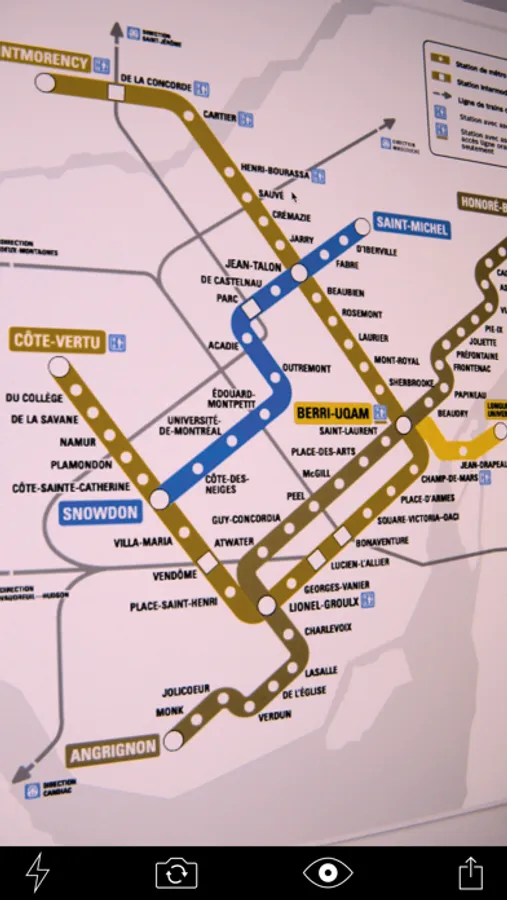
From the perspective of a color blind person, some colors are impossible to distinguish. Sim Daltonism lets you visualize colors as they are perceived with various types of color blindness.
Point your camera at something and let Sim Daltonism show you what it looks like to a color blind person. Use it to improve visual designs by making them more accessible, to understand better strange colors choices on a child’s drawing, or simply to get a better understanding of the world from the perspective of a color blind person.
Simulated Vision
Sim Daltonism can simulate the vision of many forms of color blindness:
Red-Green
• Deuteranopia (no green cones)
• Deuteranomaly (anomalous green cones)
• Protanopia (no red cones)
• Protanomaly (anomalous red cones)
Blue-Yellow
• Tritanopia (no blue cones)
• Tritanomaly (anomalous blue cones)
All colors
• Monochromacy
• Partial monochromacy
Note that the colors shown are only an approximation. Color blindness varies from person to person and the simulator cannot represent everyone’s vision. Many other factors can affect the results, such as the automatic white point calibration of the camera. Nevertheless, Sim Daltonism is a good tool to better understand color blindness.
Sim Daltonism is open source.
Point your camera at something and let Sim Daltonism show you what it looks like to a color blind person. Use it to improve visual designs by making them more accessible, to understand better strange colors choices on a child’s drawing, or simply to get a better understanding of the world from the perspective of a color blind person.
Simulated Vision
Sim Daltonism can simulate the vision of many forms of color blindness:
Red-Green
• Deuteranopia (no green cones)
• Deuteranomaly (anomalous green cones)
• Protanopia (no red cones)
• Protanomaly (anomalous red cones)
Blue-Yellow
• Tritanopia (no blue cones)
• Tritanomaly (anomalous blue cones)
All colors
• Monochromacy
• Partial monochromacy
Note that the colors shown are only an approximation. Color blindness varies from person to person and the simulator cannot represent everyone’s vision. Many other factors can affect the results, such as the automatic white point calibration of the camera. Nevertheless, Sim Daltonism is a good tool to better understand color blindness.
Sim Daltonism is open source.
Sim Daltonism Screenshots



Tap to Rate:
Reviews for Sim Daltonism
Alexinhk888
FANTASTIC App
An example of great interface design - simple to use and with great utility. This has helped me understand how family members see the world. Thank you developers - great job.
The Ads, They Burn
Essential Development Tool
I’ve used Sim Daltonism for many years, to ensure that my apps are usable by as many folks as possible.