
AppRecs review analysis
AppRecs rating 2.7. Trustworthiness 65 out of 100. Review manipulation risk 22 out of 100. Based on a review sample analyzed.
★★☆☆☆
2.7
AppRecs Rating
Ratings breakdown
5 star
29%
4 star
14%
3 star
0%
2 star
14%
1 star
43%
What to know
✓
Low review manipulation risk
22% review manipulation risk
⚠
Mixed user feedback
Average 2.7★ rating suggests room for improvement
About VHDL Compiler
VHDL (VHSIC Hardware Description Language) is a hardware description language used in electronic design automation to describe digital and mixed-signal systems such as field-programmable gate arrays and integrated circuits. VHDL can also be used as a general purpose parallel programming language.
This app uses the open-source GHDL simulator (http://ghdl.free.fr). GHDL is a VHDL compiler that can execute (nearly) any VHDL program. GHDL is not a synthesis tool: you cannot create a netlist with GHDL (yet).
Features:
- Compile and run your program
- View program output or detailed error
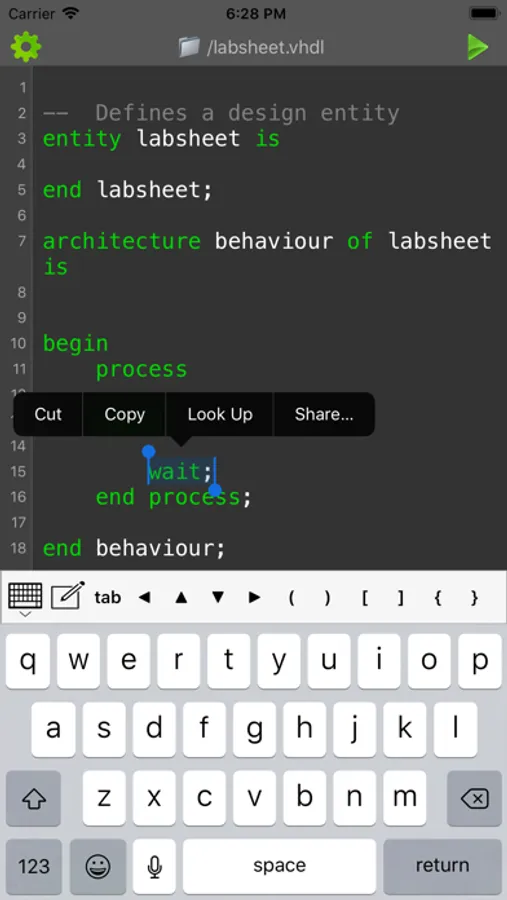
- Custom keyboard for easy input of frequently used characters
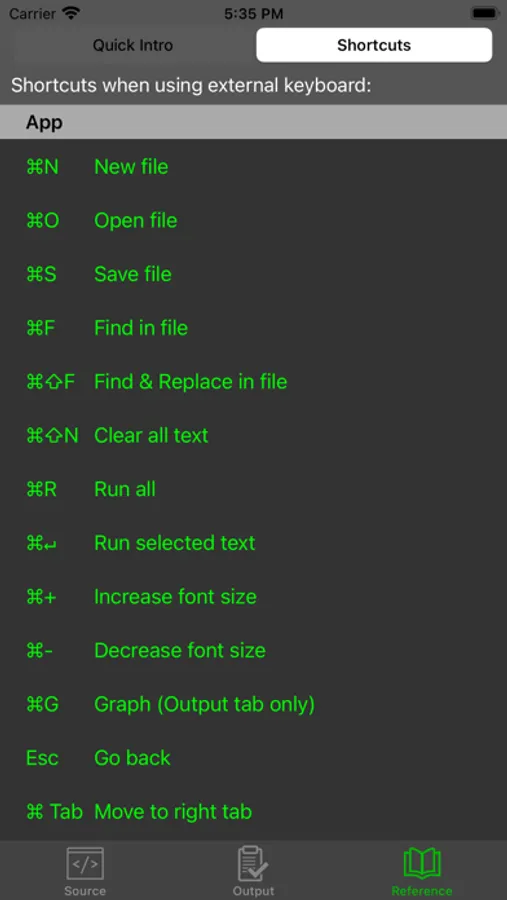
- Optimized for connecting with external physical/bluetooth keyboard
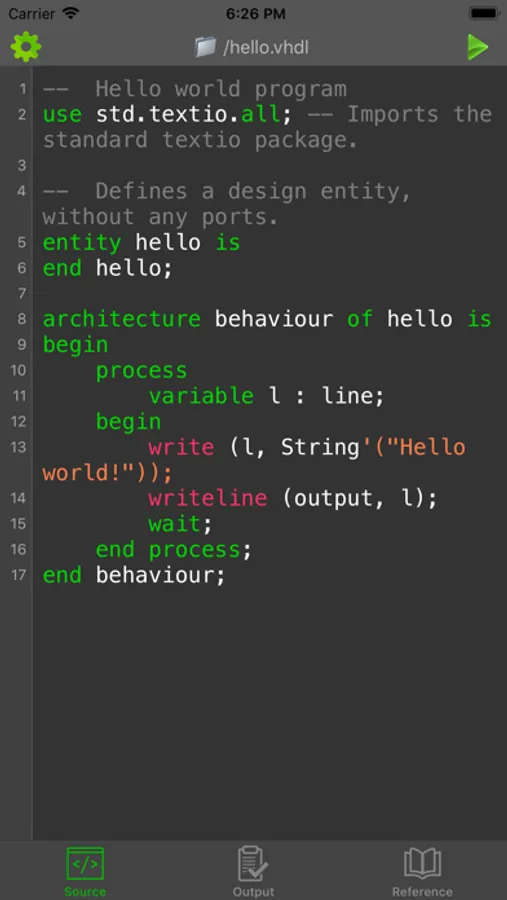
- Advanced source code editor with syntax highlighting and line numbers
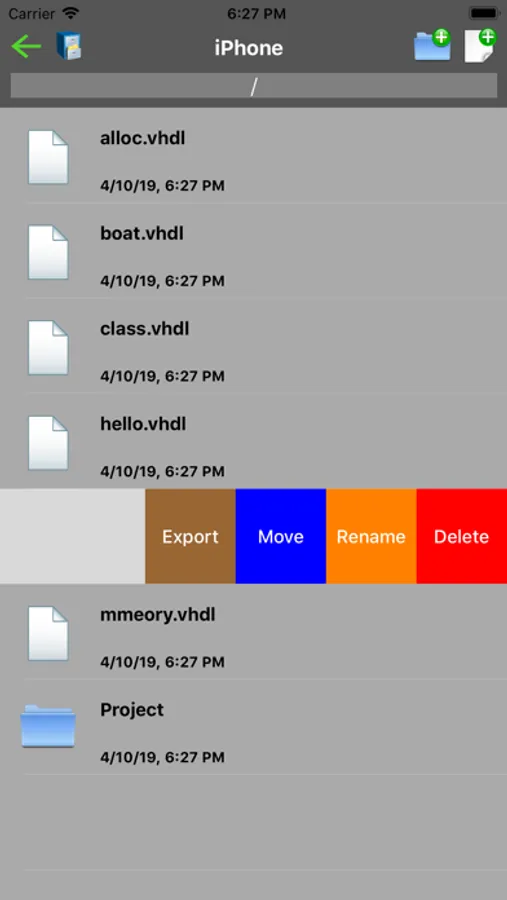
- Open, save, import and share VHDL files.
Limitations:
- Internet connection is required for compilation
- Maximum program running time is 20s
- One file can be run at a time
- All entities should be have the same name as their files.
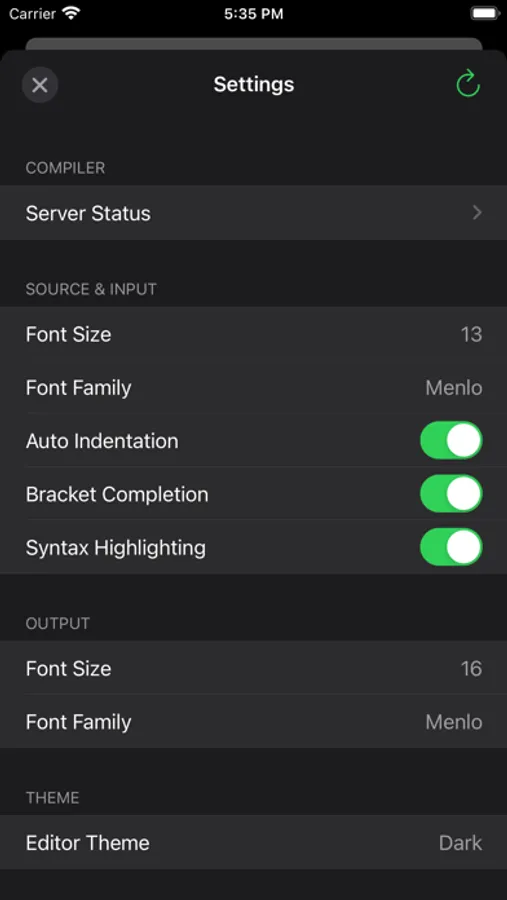
VHDL Compiler Screenshots
Tap to Rate:
Reviews for VHDL Compiler
Tdurrer
Works great simulates std_logic circuits just fine
I realized that it’s essential to limit simulation with ultimately a WAIT; statement including a clock generator with limited total time Here is a simple test setup beyond just text: Enjoy.. great job by the developer of the App and the original open source VHDL Compiler Designer ———————————————— -- Hello world program library IEEE; use IEEE.std_logic_1164.all; use std.textio.all; -- Imports the standard textio package. -- Defines a design entity, without any ports. entity hello is end hello; architecture behaviour of hello is signal index : integer:=0; signal clk : std_logic := '0'; begin process(clk) variable l : line; begin if(rising_edge(clk)) then write(l,String'("/")); writeline (output, l); end if; end process; process begin index <= index +1; clk <= not clk; wait for 1 ns; if index > 20 then wait; end if; end process; end behaviour;