AppRecs review analysis
AppRecs rating 4.3. Trustworthiness 68 out of 100. Review manipulation risk 22 out of 100. Based on a review sample analyzed.
★★★★☆
4.3
AppRecs Rating
Ratings breakdown
5 star
68%
4 star
11%
3 star
14%
2 star
0%
1 star
7%
What to know
✓
Low review manipulation risk
22% review manipulation risk
✓
High user satisfaction
79% of sampled ratings are 4+ stars (4.3★ average)
About SmarterNoise Pro
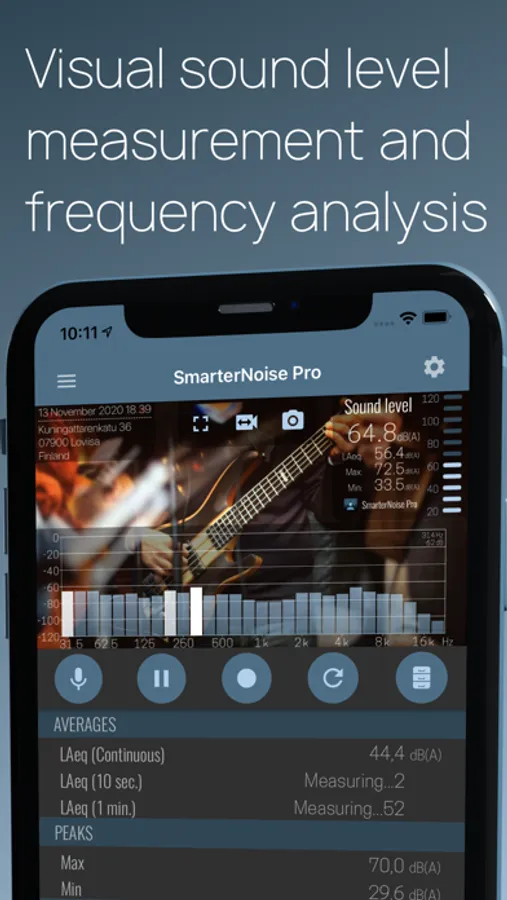
Features:
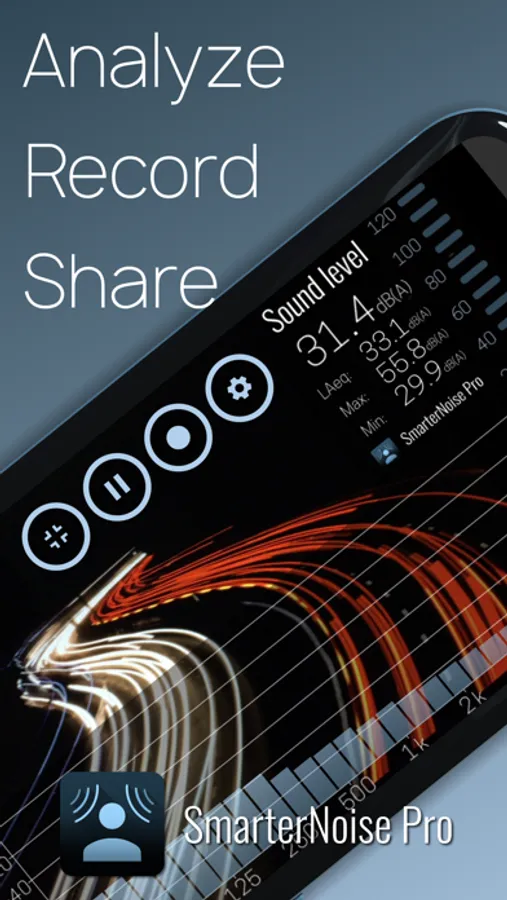
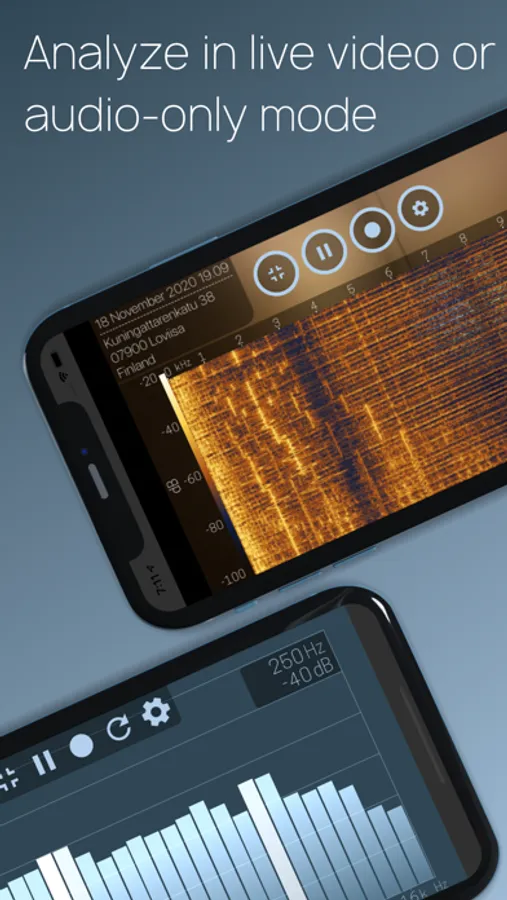
• Sound level measurement in video mode
• Sound level measurement in audio mode
• Sound meter snapshot camera
• Record video and audio files (paid function)
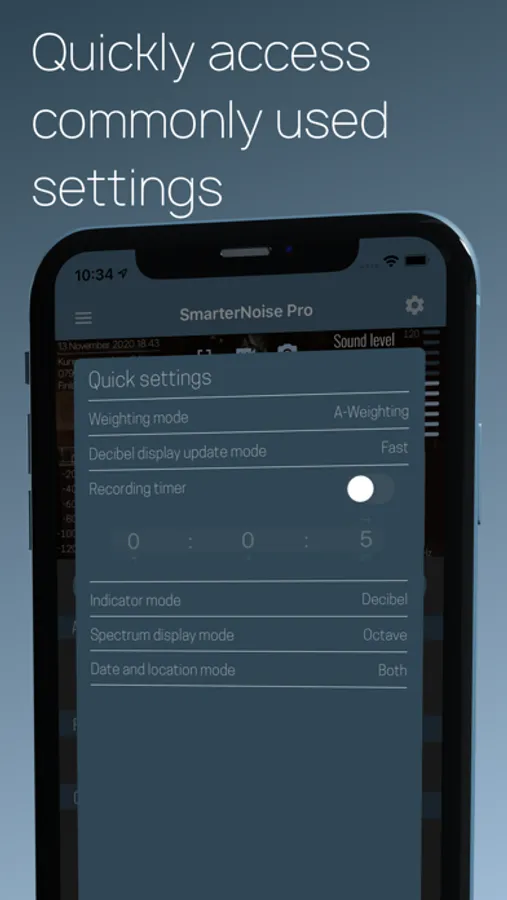
• Recording timer
• Sound level activated audio recording
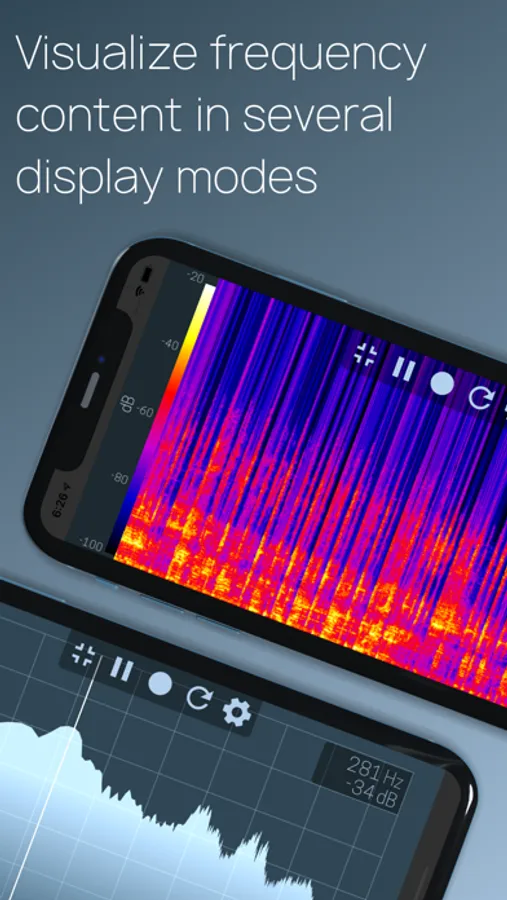
• Frequency spectrum display (paid function)
• Peak frequency detection
• A-, C- or no frequency weighting
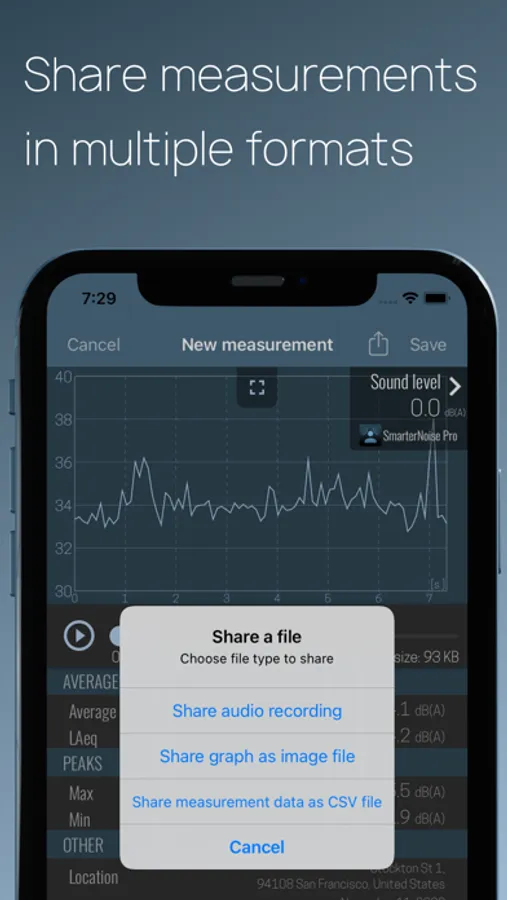
• Export of measurement data in CSV format
• Full HD (paid function), HD and VGA video resolution
• Three video quality settings
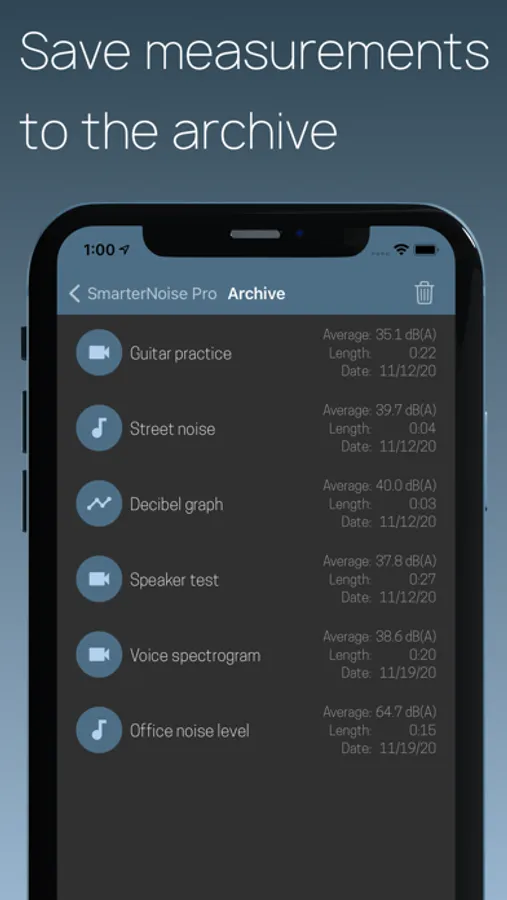
• Archive for saved files
• Sharing of saved files
• Calibration
• Save location of measurement (optional)
• Time and date
• Continuous Leq, LAeq, LCeq value
• 10 second sound level average (Leq, LAeq, LCeq)
• 60 second sound level average (Leq, LAeq, LCeq)
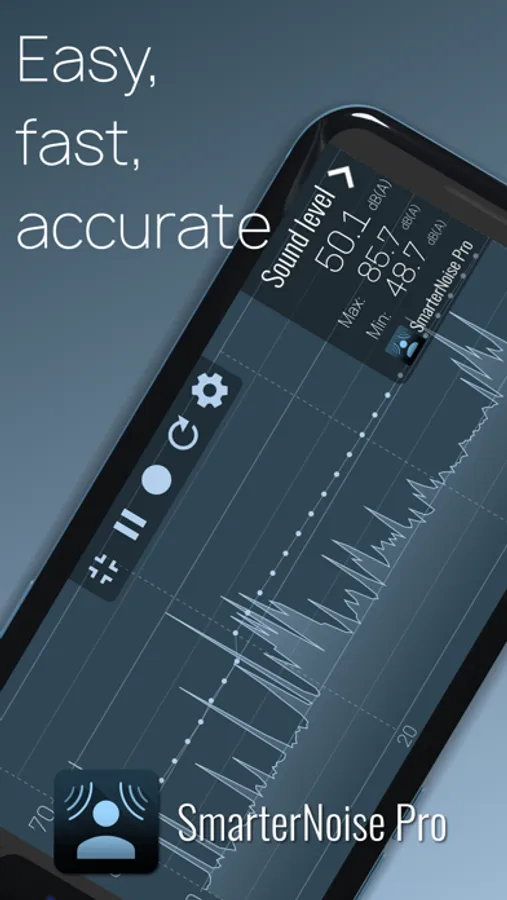
• Maximum and minimum decibel level
About decibels and sound level measurement
The unit for measuring sound is called a decibel. Because the decibel scale is logarithmic, a sound with an intensity that is twice that of a reference sound corresponds to an increase of about 3 decibels. The reference point of 0 decibel is set at the intensity of the least perceptible sound, the threshold of hearing. On such a scale a 10-decibel sound is 10 times the intensity of the reference sound. Highlighting this is important as already a few decibels higher or lower makes a noticeable difference in how noise is perceived.
The preferred method to describe sound levels that vary over time, resulting in a single decibel value measuring the total sound energy over the period, is called Leq. It is however common practice to measure sound levels using A-weighting, which attenuates lower and higher frequencies that the average person cannot hear. In this case the value is called LAeq.
A- and C-weighting
The A-weighting is a standard, commonly used filter that attempts to alter the measured sound pressure levels to more closely match the perception of the human ear. A-weighting makes the sound level meter less sensitive to very high (over 8000 Hz) and low frequencies (below 1000 Hz).
C-weighting also attenuates low and high frequencies, but the attenuation of low frequencies is much less severe compared to A-weighting.
Calibrate:
Calibrate the application using the calibration tool found in the settings menu. Phones and their components vary in quality and setup so you need to calibrate the app in order for the results to be relatively comparable. One suggestion is that you close the window and door to your bedroom or bathroom, turn off appliances, and once its very quiet calibrate the app so the reading is about 30 decibel.
SmarterNoise Pro Screenshots
Tap to Rate:
Reviews for SmarterNoise Pro
ShoobyTaylor
Great app ruined by incredibly inconvenient sharing feature
I don’t understand how they could’ve put this much work into making such a great app, and then made it virtually impossible to get the videos off your phone, by requiring you to export them one at a time through a sharing feature that requires multiple clicks per video. i’ve got about 50 videos saved and it’s a nightmare tried to get them off the phone. They could easily have implemented iTunes file sharing so it was possible to just download the videos from the app through iTunes, or save them to the camera roll, or you let you select a bunch of them and upload to dropbox or save to iCloud, and they didn’t bother to do any of that. It would’ve been a five star app if not for that, but 1-by-1 export via a clunky “Sharing“ interface is such a major hassle and such an obvious missing feature that I’m deducting two stars for it.
pharris010
Very little playback volume
Very little playback volume