
With this wellness app, you can track your moods, use coping skills, and follow self-care routines. Includes mood check-ins, appointment reminders, and achievement tracking.
AppRecs review analysis
AppRecs rating 5.0. Trustworthiness 74 out of 100. Review manipulation risk 23 out of 100. Based on a review sample analyzed.
★★★★★
5.0
AppRecs Rating
Ratings breakdown
5 star
82%
4 star
9%
3 star
4%
2 star
2%
1 star
2%
What to know
✓
Low review manipulation risk
23% review manipulation risk
✓
Credible reviews
74% trustworthiness score from analyzed reviews
✓
High user satisfaction
82% of sampled ratings are 5 stars
About BoosterBuddy
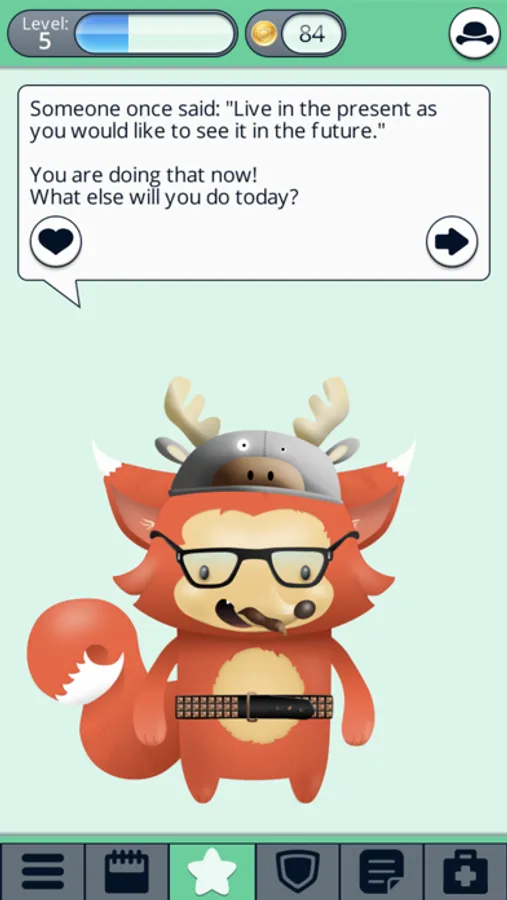
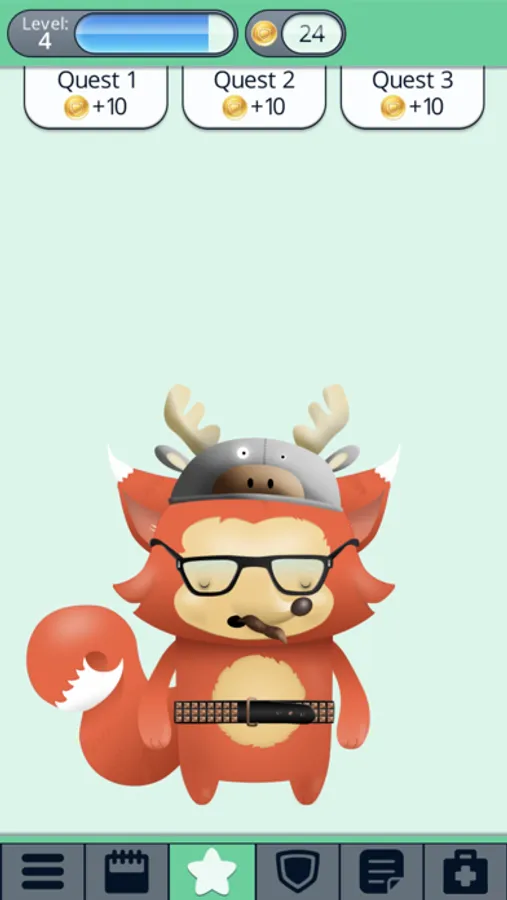
Manage your personal wellness journey and earn achievements as your sidekick guides you through a series of daily quests designed to establish and sustain positive habits.
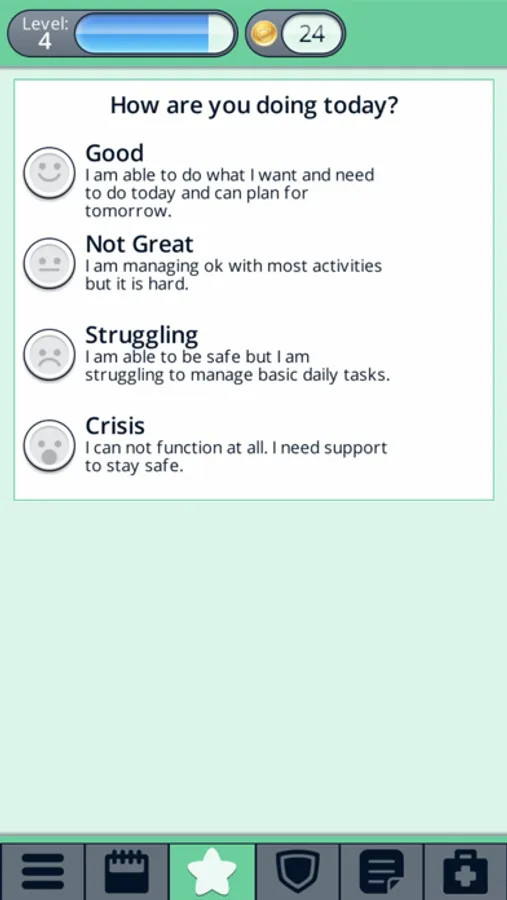
•Check-in with how you are feeling each day
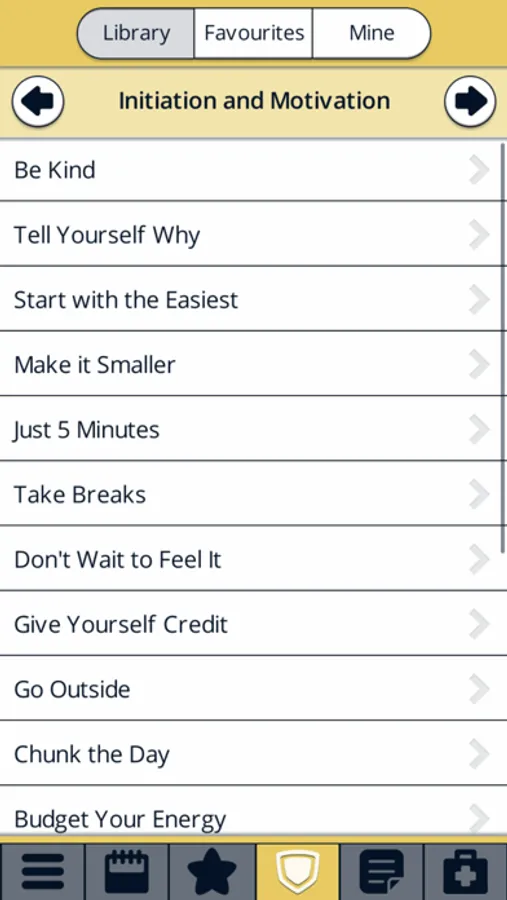
•Use coping skills
•Keep track of appointments and medications
•Get started on tasks
•Follow self-care routines
•Increase real-life socialization
As of April 30, 2021, Island Health, the entity that created the app, will no longer be able to support BoosterBuddy. With future operating system upgrades over time the app will cease to work. You are welcome to continue to use the app.
For other resources to replace BoosterBuddy please visit www.HeretoHelp.bc.ca or talk with your physician or care team.
BoosterBuddy Screenshots
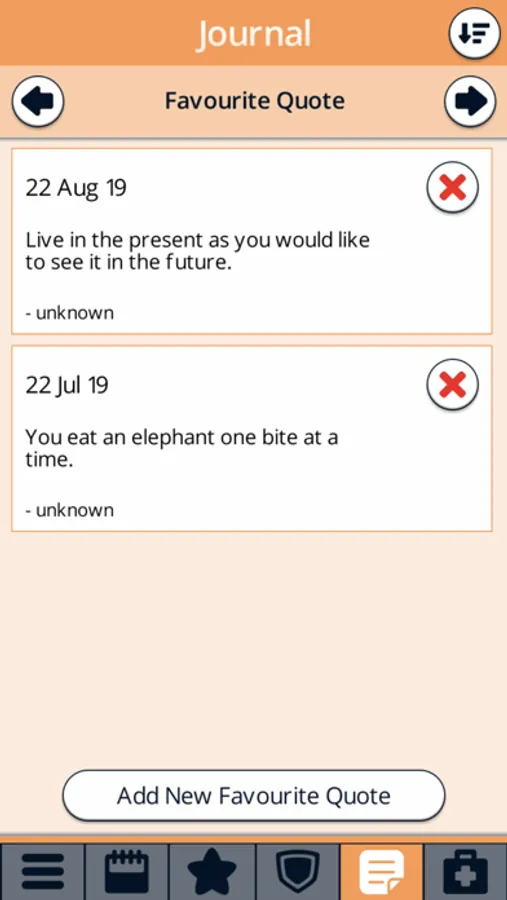
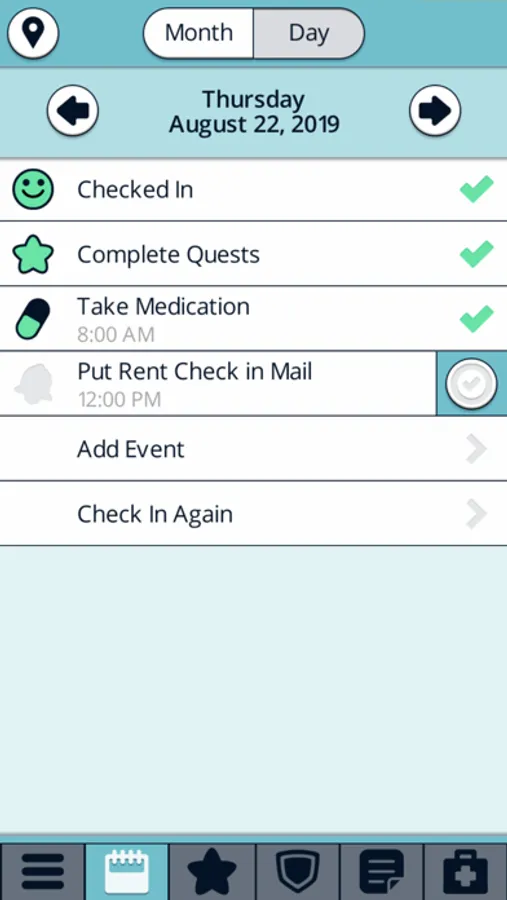
Tap to Rate:
Reviews for BoosterBuddy
Froigs
Please upload these resources to a website
I have been using this app for years and it has gotten me through many difficult times. I know the app will no longer be supported, so can the owners of the app please upload all the information/resources from it onto a website somewhere?
KatieMentalHealth
BoosterBuddy Review
Rating: I would give BoosterBuddy a 2.5/5 rating. Strengths BoosterBuddy’s interface is intuitive and user-friendly, allowing new users to quickly navigate the app, interact with their virtual buddy, complete quests, and access mental health resources. The short, manageable activities make it easy to integrate the app into a busy adolescent schedule, which is especially important given the demands of school, extracurricular activities, and social commitments. The app effectively supports its primary goal of supporting teens in managing their mental health by utilizing gamification strategies. Users complete small tasks to improve their well-being while interacting with visually appealing, animated characters, reinforcing consistent use and a sense of achievement. Research demonstrates that gamification elements—such as earning rewards, completing tasks, and interacting with virtual characters—can enhance user engagement, especially among adolescents (Hamari et al., 2014). Studies by Hamari et al. (2014) indicate that gamified elements foster intrinsic motivation and sustained use by creating a sense of achievement. BoosterBuddy effectively incorporates these principles through its “quests,” encouraging users to complete small, manageable tasks like taking medications, drinking water, or practicing mindfulness. The app’s design capitalizes on adolescents’ heightened sensitivity to rewards, a response linked to puberty-related changes in the limbic system (Steinberg, 2014). This approach aligns with developmental research emphasizing the role of positive reinforcement during adolescence (Steinberg, 2014). Additionally, BoosterBuddy integrates evidence-based mental health strategies, including Cognitive Behavioral Therapy (CBT) and mindfulness practices. These approaches align with best practices in adolescent mental health interventions. The inclusion of structured check-ins and coping strategies can serve as a valuable entry point for teens seeking to develop self-regulation skills. Weaknesses Despite its strengths, BoosterBuddy has several limitations. One of the primary drawbacks is the lack of customization options. Users cannot significantly personalize their virtual “buddy” or tailor the tasks to their specific needs, which may reduce long-term engagement. Some adolescents might feel disconnected if they cannot adapt the app to their personal preferences or cultural backgrounds, as this is a time when they are actively exploring different parts of their identity (Laser & Nicotera, 2021). While BoosterBuddy avoids overt stereotypes, it does not provide options for tailoring content to diverse cultural or socioeconomic contexts. The app’s generalized coping strategies may not resonate with all users, particularly those from communities with different stressors or cultural attitudes toward mental health. Another limitation is the app’s reliance on self-guided use without sufficient explanation of its therapeutic techniques. While BoosterBuddy incorporates CBT and mindfulness practices, it does not provide in-depth explanations or guidance on how to apply these techniques effectively. Adolescents who are unfamiliar with these concepts may struggle to apply the strategies independently. According to Kazdin and Blase (2011), self-help tools are most effective when paired with some form of professional support or detailed instruction. BoosterBuddy could improve its impact by providing optional, interactive tutorials or videos to help users better understand and implement these practices. The app’s design for solo use may also be a disadvantage. Adolescents often benefit from peer support, and the absence of social features—such as moderated forums or peer support groups—limits opportunities for connection. According to Laser & Nicotera, social media can have a positive impact on supporting adolescent development and friendship maintenance (2021). Incorporating option social components could enhance the app’s effectiveness in fostering a sense of community and reducing isolation. Additionally, BoosterBuddy’s design feels somewhat outdated compared to other mental health apps available on the market. The app’s tone and design may feel overly simplistic for older users, such as those in their late teens or early twenties. For example, the language used around having a “buddy” may feel juvenile to some adolescents, potentially reducing engagement among this demographic. According to Twenge (2017), older adolescents and young adults often seek more mature, nuanced tools for self-care, and BoosterBuddy could improve its appeal to this demographic by allowing users to customize their interface or select a more sophisticated mode of interaction. From a broader developmental perspective, Laser and Nicotera (2021) emphasize the importance of a multisystemic-ecological approach to understanding adolescent development and well-being. This framework considers the complex interactions between individual, family, school, community, and societal factors that influence adolescents’ behaviors and well-being. However, BoosterBuddy primarily focuses on individual mental health management, placing the burden solely on the user to track and regulate their well-being. This approach overlooks external factors—such as family dynamics, peer relationships, and school environment—that significantly impact adolescent mental health. A more comprehensive app would integrate features that acknowledge and address these contextual influences, rather than reinforcing an individualized approach that may be counterproductive.