
AppRecs review analysis
AppRecs rating 3.6. Trustworthiness 79 out of 100. Review manipulation risk 22 out of 100. Based on a review sample analyzed.
★★★☆☆
3.6
AppRecs Rating
Ratings breakdown
5 star
45%
4 star
14%
3 star
9%
2 star
18%
1 star
14%
What to know
✓
Low review manipulation risk
22% review manipulation risk
✓
Credible reviews
79% trustworthiness score from analyzed reviews
About Move Mood
Move Mood Screenshots

Tap to Rate:
Reviews for Move Mood
psychstudent615
clinically grounded, user-friendly app
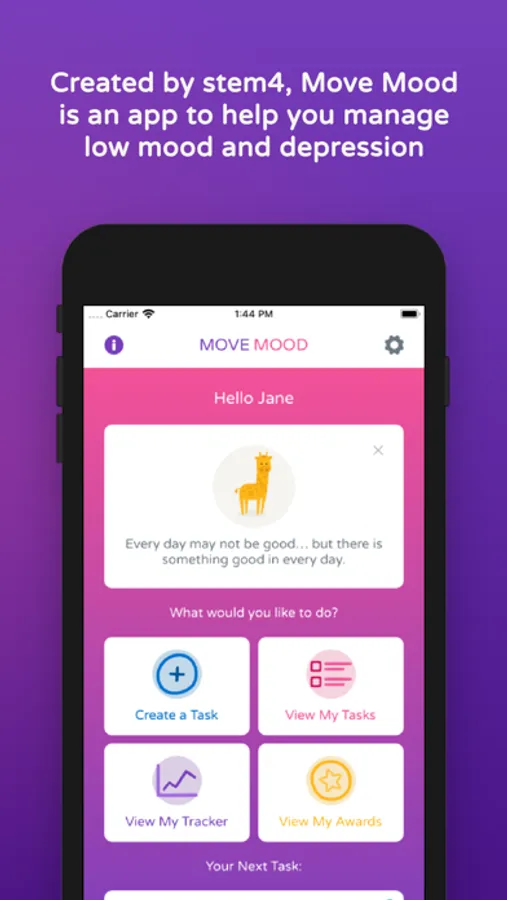
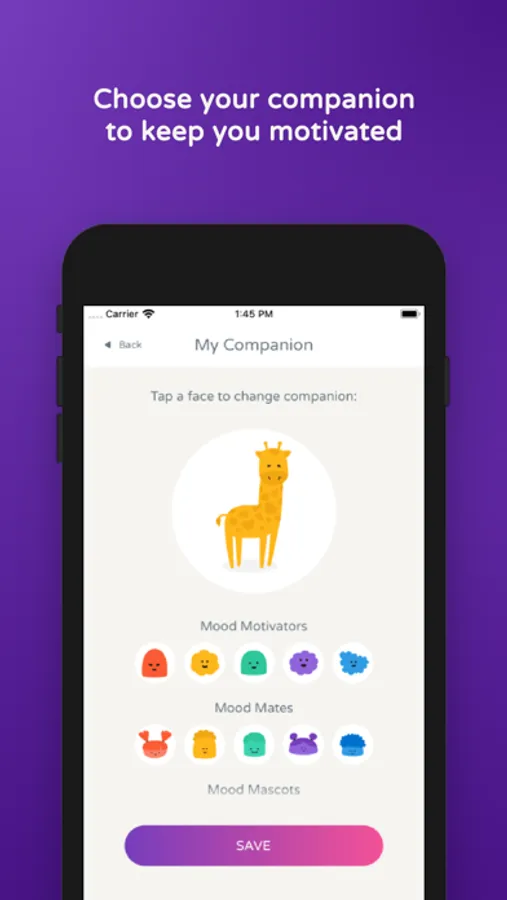
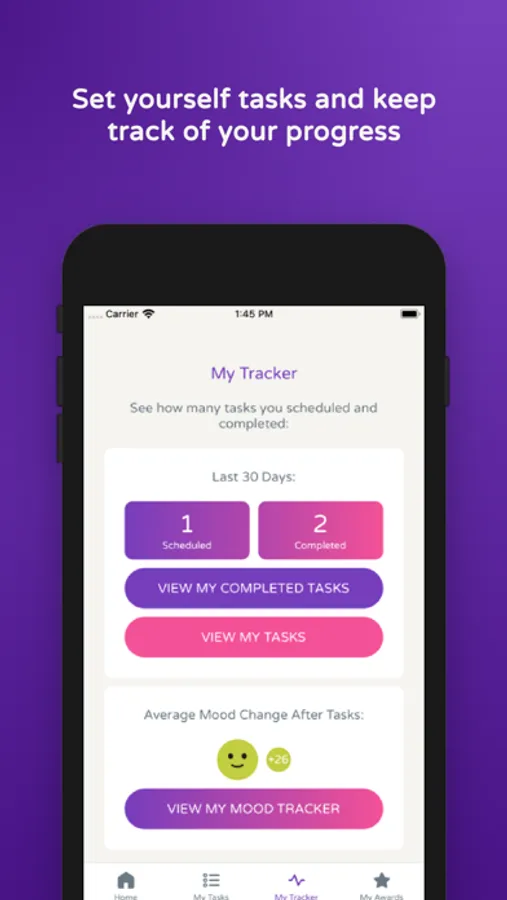
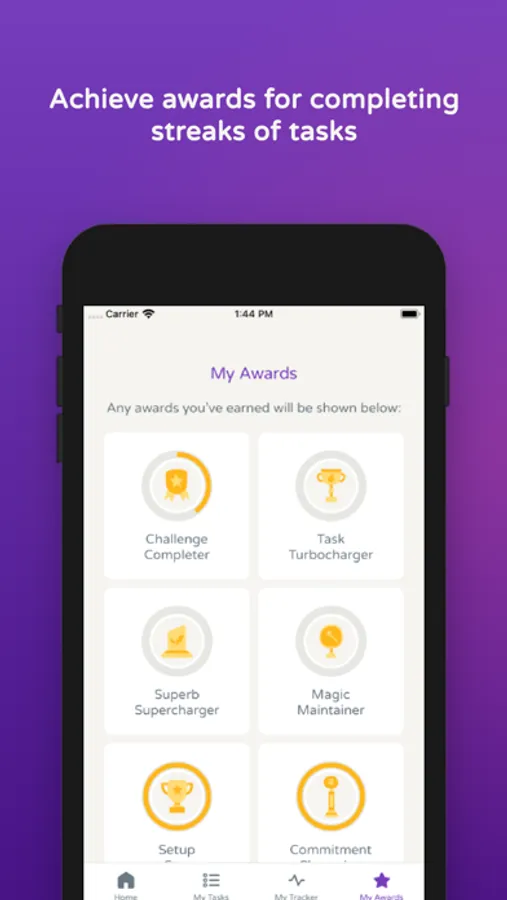
Overall, Move Mood has more strengths than weaknesses. However, there is room for improvement in the app, namely in the lack of human support and social connection components. Move Mood’s strengths largely lay in its clinical foundation and evidence-based approach. Move Mood employs Behavioral Activation Therapy (BAT), a well-studied treatment for depression (Ekers et al., 2014). The app’s core functionality centers on task creation and scheduling. Users are prompted to reflect on what they value in life and build tasks around those areas. Tasks are chosen from preset lists or can be self-written, then categorized as routine, necessary, or enjoyable. Each task is broken down into steps, given a difficulty rating, and mood rating when the user thinks about doing the task. Scheduling is flexible, as tasks can be set as one-off, daily, weekly, or monthly, and tied to specific times of day and exact dates. The app also cites being co-designed with input from young people to ensure effective implementation in the target population. Personalization options allow users to select their goal tasks based on domains they value. They provide many example tasks and flexible structure, which may function similar to scaffolding in guiding users. Such structured examples are beneficial in supporting adolescents’ self-efficacy and task initiation (Conley et al., 2022; Laser & Nicotera, 2021). This approach makes the experience more accessible and relatable for adolescents. Features like task creation, mood tracking, and reward reinforcements further support users in managing their mood and building positive habits. Aside from task creation, monitoring, and mood tracking, the app does not have any other features. This can be seen as a strength, as the simplicity of the app could reduce avoidance, a common behavior in depression. Furthermore, teens more easily engage with technology with minimal distractions like pop-up ads or an overwhelming amount of content. Research and practitioner guides note the role of media design and reduced distraction in adolescent engagement (Laser & Nicotera, 2021), and systematic reviews show mobile interventions can still be effective without complex social or gamified features (Conley et al., 2022). The weaknesses of this app surround the minimal social components in the app. While the app focuses on individual use, it lacks integrated social features that could allow users to connect with peers or share their progress. Incorporating such features could enhance motivation and provide a sense of community. The pseudo-social component of the “companion” the teen commits to approaches this quality. However, it could be more enriching for the user to know there are other teens experiencing the same things as them. The app could have an anonymous community of peers encouraging each other to use the app and complete their tasks. Including peer social features could enhance motivation and community, as social network use is an important component in teen and family treatment approaches (Murphy, Lancy, & Hertlein, 2013). However, Conley et al. (2022) found that the presence of social features didn’t consistently change effect sizes across studies, so adding a social component should balance safety, privacy, and engagement. Overall, Move Mood is a thoughtfully designed tool for adolescents experiencing low mood. It has simple structured therapeutic techniques and playful personalization which makes it both practical and easy to use. By allowing teens to customize their experience through self-chosen tasks, it encourages them to take an active role in their mental health, all while keeping the process simple and accessible. Move Mood is a clinically grounded, user-friendly app that can support young individuals in managing low mood and depression. Its strengths in evidence-based design and user engagement make it a valuable tool for adolescent mental health. However, incorporating social features could further enhance its impact. As indicated on the website, stem4 is seeking to fund a large scale, quantitative and qualitative study on the Move Mood app. Results from that study could enhance features of the app and guide how parents and teens choose their mental health apps.
sgili128
Frustrating
I tried making a new habit to wake up at the same time every morning and when it told me to select a date to start it only game me one option, todays date, but it told me I couldn’t move forward because it had to be a later date.